Ribbon Communications is the first of the Metaswitch alternatives to evaluate if you need to replace several layers of a carrier voice network. NetSapiens and Cisco BroadWorks are better starting points for a hosted PBX or MaX UC project. PortaOne belongs on the shortlist when switching and billing must move together. For a Perimeta SBC or UMG gateway project, compare the products that actually take over those functions.
The main Metaswitch competitors in this guide are Ribbon, NetSapiens, PortaOne, Cisco BroadWorks, TelcoBridges, Oracle Communications, and Sansay. Alianza completed its acquisition of Metaswitch from Microsoft in March 2025 and still lists MetaSphere CFS, EAS, and Perimeta in its core portfolio. Use Alianza as the incumbent benchmark for support, component upgrades, or a staged migration.
Compare the Best Metaswitch Alternatives
Match the product to the function you need to replace. A carrier can combine two or more Metaswitch competitors in one design, such as an SBC for peering and a separate platform for subscriber calling. The seven options below cover different parts of the network. The commercial references distinguish public evaluation terms from configurations that require a quote.
| Provider | Best For | What to Verify | Pricing & Evaluation |
|---|---|---|---|
Ribbon Communications  | Carrier voice core, application services, and SBC | Define the proposed C15/C20, application server, SBC, gateway, and integration scope. | Request a Project QuotePrice subscriber and interconnect layers with migration services.See Ribbon Replacement Options |
NetSapiens  | Hosted PBX, MaX UC migration, and white-label UCaaS | Identify which tenant data and endpoint profiles can migrate. Scope legacy access separately. | Request a Provider QuoteConfirm capacity, hosting, branding, integrations, and migration.Demo AvailableRequest a NetSapiens Demo |
PortaOne PortaSwitch  | SIP switching, provisioning, and telecom billing | Run parallel billing and confirm the work needed for integrations and any legacy access. | Request a Deployment QuoteScope PortaSIP, PortaBilling, capacity, support, and migration.Explore PortaSwitch |
Cisco BroadWorks  | Provider-hosted business calling and Webex collaboration | Confirm provider platform entitlements, Webex packages, onboarding, and hosting. | Request a Partner QuoteQuote the BroadWorks deployment, Webex packages, and integrations.See Cisco BroadWorks |
TelcoBridges  | Tmedia for UMG migration or ProSBC for SIP borders | Verify supported gateway interfaces with Alianza, or size the ProSBC configuration separately. | ProSBC Essentials from US$417/monthPublished 500-session reference, billed annually. Quote Tmedia separately.Free ProSBC Lab · 3 Concurrent SessionsSee ProSBC Lab and Pricing |
Oracle Communications SBC  | Fixed, mobile, and OTT session interconnect | Confirm the carrier edition and size for signaling, media processing, and failure conditions. | Request a Capacity QuoteSpecify the Oracle Communications SBC product, deployment, and support.See Oracle Carrier SBC |
Sansay VSXi | SIP trunking, carrier routing, and selected Class 4 functions | Validate route logic, call records, redundancy, and commercial routing changes. | Request a Network QuoteSpecify capacity, redundancy, and related routing or billing modules.Explore Sansay VSXi |
Identify Which Metaswitch Component You Need to Replace
Create a one-page service map before sending a request for proposal. Start with the subscriber services your business sells, the access lines or endpoints customers use, and where each call enters and leaves the network. Group them by current owner and by proposed owner after the change. This gives Metaswitch competitors a design to quote and gives your operations team a common reference for the migration.
| Current Function | What It Does | What to Ask Metaswitch Alternatives to Demonstrate |
|---|---|---|
| MetaSphere CFS and associated subscriber features | Provides call control and features for subscriber services. | Reproduce representative dial plans, business and residential call flows, voicemail, and feature entitlements. |
| Perimeta SBC | Manages voice sessions across network boundaries. | Interoperate with both sides of a live-like trunk, preserve required headers, and show redundancy and capacity for the expected media workload. |
| Universal Media Gateway (UMG) | Connects supported legacy access or trunk interfaces to the IP voice network. | Match the exact interfaces, signaling, clocking, circuit count, call-control relationship, and redundancy model. |
| MaX UC and business collaboration | Gives end users a client for communications and collaboration in the applicable deployment. | Recreate the experience across apps, desk phones, extension dialing, user identity, and tenant administration. |
| Provisioning, mediation, and billing | Activates services and turns usage records into operational and commercial records. | Provision a test tenant, rate real sample calls, export records, and reconcile against an existing invoice. |
A network diagram usually tells you where the components are connected. A service map tells you which customer outcome depends on those connections. For example, a rural voice operator may need to keep an access line and replace a gateway. A business VoIP provider may need to preserve call queues, client presence, and support workflows while retaining its interconnect. The right Metaswitch alternatives for those projects will look very different.
List the releases, licenses, and support terms attached to each component. An equipment deadline can justify a gateway project even when the call-control layer remains supportable. Review the vendor notice for the exact model and release, and ask for written dates for security fixes, case support, replacement hardware, and software upgrades. This evidence helps you compare an incumbent upgrade with proposals from Metaswitch competitors on the same timeline.
1. Ribbon Communications — Best for a Broad Carrier Voice-Core Replacement
Ribbon is one of the most direct Metaswitch alternatives for operators replacing more than one carrier voice layer. Its dedicated replacement material maps different products to call control, application services, media gateways, and SBC functions. A design may involve the C15 or C20, a Ribbon application server, and Ribbon SBCs. Ask the design team to name the exact product proposed for each function and the interfaces among them.
Where it fits. Put Ribbon near the top of the Metaswitch competitors list if you operate an access-heavy voice network and need an engineered transition. Consider a regional carrier that must keep residential calling available while it replaces a switch and modernizes peering. A supplier that can quote those layers together gives the operator one proposal to test for both feature continuity and operational ownership.
What to validate. Ask Ribbon and the other Metaswitch alternatives to show how your residential feature codes, business hunt groups, voicemail behavior, number routing, and maintenance tools map to the proposed products. Include an incoming toll-free call, a hosted business user dialing an internal extension, and a subscriber behind legacy access. Have each lab run produce an observable result, such as a subscriber profile, a call trace, or a billing record.
What changes the quote. Metaswitch competitors can divide project work differently across hardware, licenses, engineering, and support. Break the Ribbon quote into products, sites, and services. Ask who owns data translation, endpoint configuration, regression testing, and the call route back to the old network during a pilot. Confirm that licenses and support for standby capacity are spelled out.
When to narrow the bid. If the only problem is an expiring Perimeta deployment and your other components work, request an SBC-only scope first. A wider voice-core project can be a reasonable parallel bid if equipment or service deadlines overlap. Establish what changes in each proposal so duplicate work on a switch or gateway does not get priced into a smaller replacement.

2. NetSapiens — Best for Hosted PBX and MaX UC Migrations
NetSapiens is among the strongest Metaswitch alternatives for communications service providers selling hosted PBX and white-label unified communications. Its provider platform and SNAPmobile client give operators a path to deliver branded calling experiences. NetSapiens and TelcoBridges have published migration material, and Crexendo has announced a customer selection to replace a Metaswitch deployment. Treat those examples as starting points for scoping your own tenant and access dependencies.
Where it fits. Shortlist NetSapiens alongside other Metaswitch competitors if your main commercial product is hosted business calling. A reseller serving medical practices and professional offices may care most about call queues, business hours, shared lines, mobile calling, and self-service administration. Give the vendor a sample of actual tenant configurations and ask which can migrate through tools and which require manual design.
What to validate. Ask UC-focused Metaswitch alternatives to recreate a business with multiple offices and two admin roles. Include automatic attendants, call queue supervisors, shared extensions, voicemail-to-email, and mobile calls. Check how desk phones register and whether feature keys need reprogramming. Verify which chat or call history can be retained and how users will learn about a client change.
What stays in scope. Ask Metaswitch competitors for a responsibility matrix covering PSTN interconnect, gateways, emergency calling administration, usage exports, and residential features that may remain on the old platform. A hosted PBX upgrade can succeed alongside an existing carrier core if routing, support boundaries, and commercial dependencies are documented.
What changes the quote. Ask how the proposal measures capacity and what it charges for hosting, active sessions, tenant features, applications, or additional work. If the vendor uses a concurrency model, sample the busy hour for normal days and high-demand periods. Separate branded app setup, device staging, and customer communication from the ongoing platform charge. An existing reseller workflow is part of the migration and can require its own integration changes.
3. PortaOne PortaSwitch — Best for SIP Switching With Integrated Billing
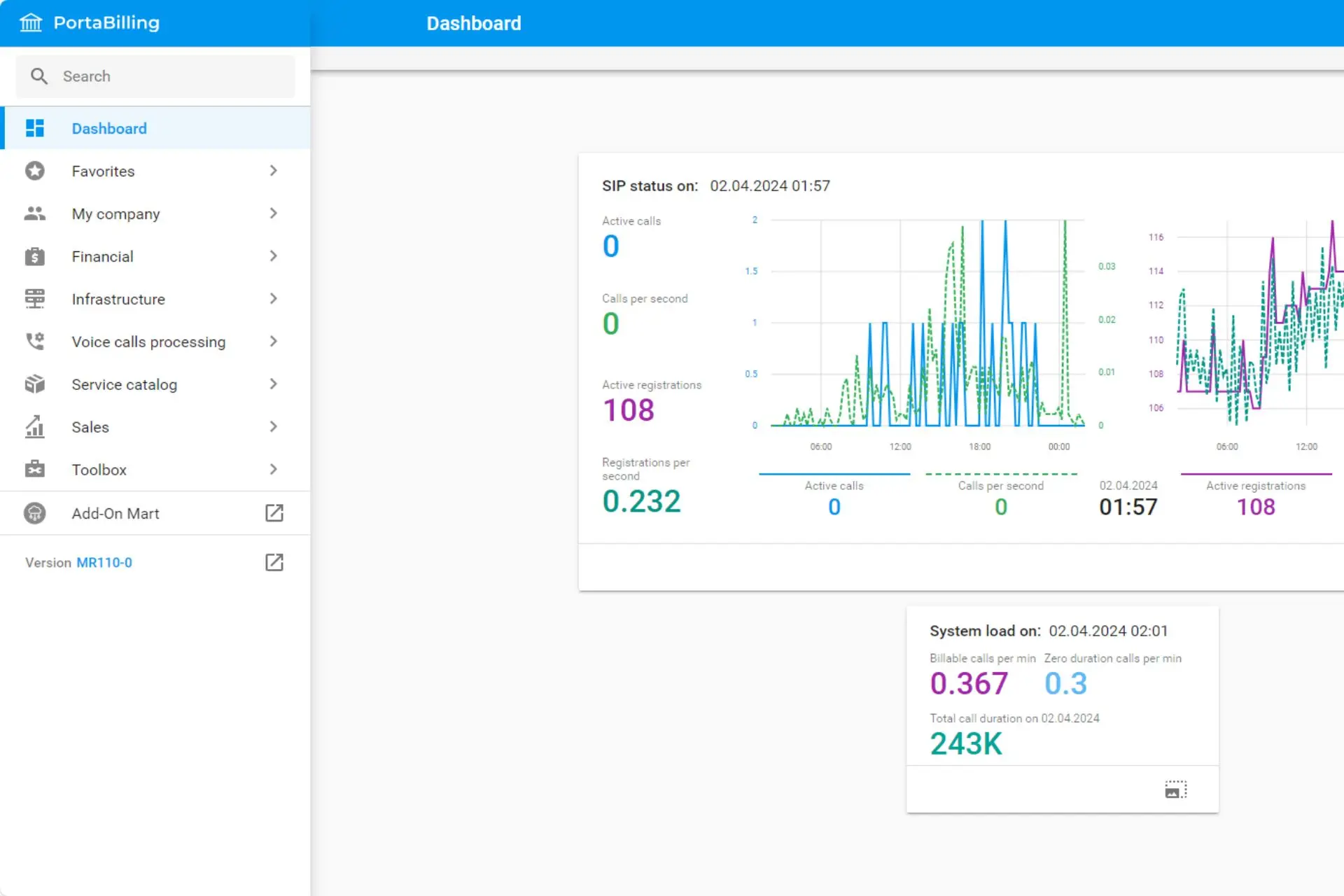
PortaSwitch combines the PortaSIP softswitch and PortaBilling. That gives it a distinct place among Metaswitch alternatives for operators that want to change how calls are routed, services are provisioned, and usage is rated. It can be considered for mixed retail or wholesale SIP services where pricing rules and account controls are as important as connectivity.
Where it fits. Consider PortaSwitch among Metaswitch competitors if your existing service activation and billing depend on manual transfers between systems. A provider selling prepaid service, hosted PBX, and wholesale termination might need retail rates, wholesale rates, and real-time charging alongside voice routing. Ask for an architectural split between capabilities that come from PortaSwitch and those that rely on your CRM, ERP, payments, or a separate gateway.
What to validate. Have billing-focused Metaswitch alternatives run the same test set with anonymized usage data. Include a local call, an international call, a transfer, a rerouted attempt with multiple call legs, and a call crossing a billing-period boundary. Compare billed duration, surcharges, included minutes, and customer balances. The outcome to check is the final bill and what your operations team can trace back to the call record.
What changes the quote. Metaswitch competitors can quote implementation differently when a billing migration is included. Price historical exports, customer catalog setup, integration work, and training separately. If you retain your existing billing stack, ask how duplicate records, retries, and unavailable downstream systems are handled. Have finance sign off after a parallel billing run before customer accounts move.
Where the fit changes. A software softswitch and billing stack can address a large part of an IP voice estate. Buyers with incumbent-dependent access equipment should also scope the gateway, the supported signaling, and who will resolve failures that cross those boundaries. In a wholesale service, add the routing and settlement exceptions that cause the largest manual workload today.
4. Cisco BroadWorks — Best for Service Provider Hosted Calling With Webex
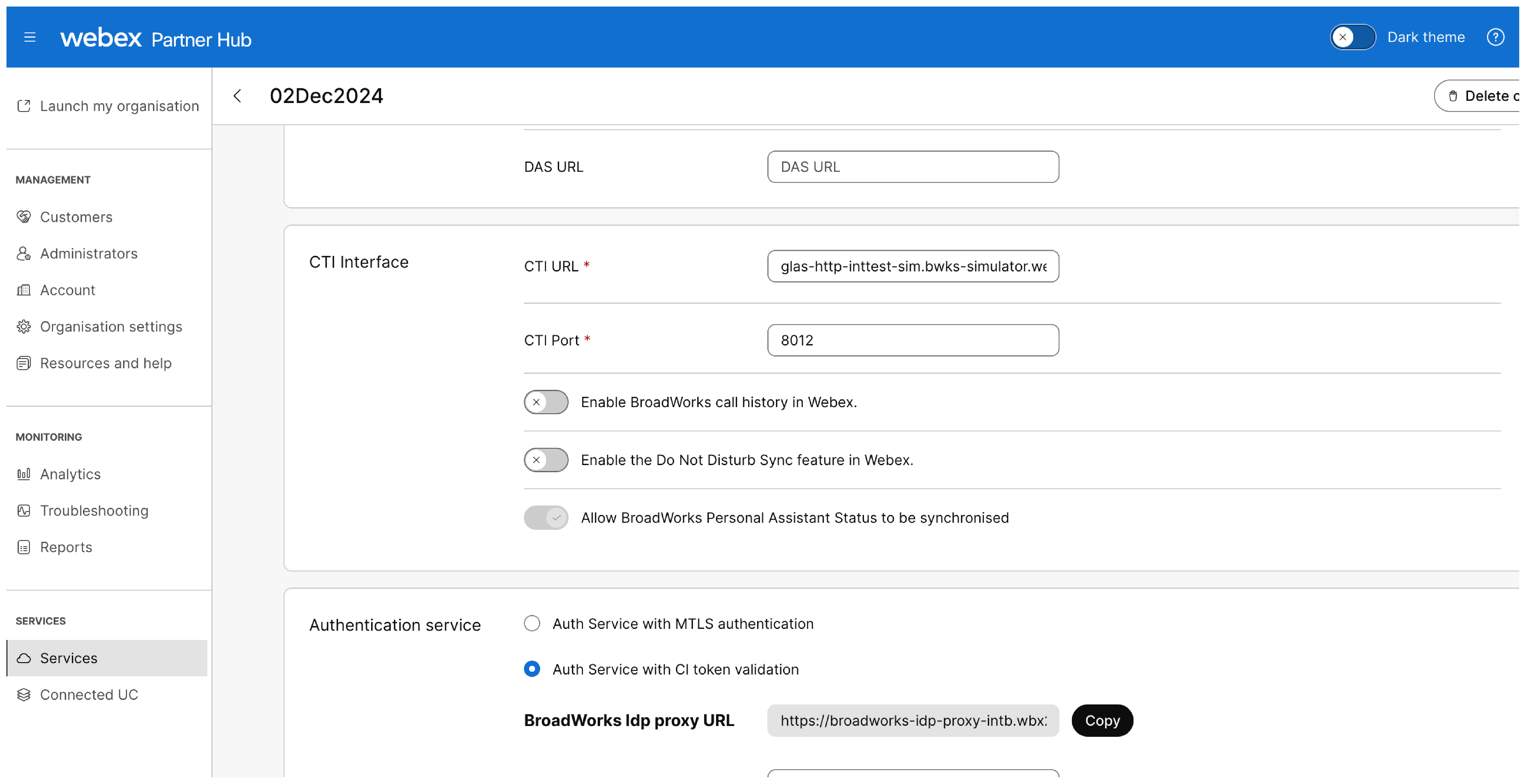
Cisco BroadWorks is one of the Metaswitch alternatives for a service provider running hosted business calling. BroadWorks is hosted by service providers, and Webex for Cisco BroadWorks can pair that calling service with Webex collaboration. Cisco’s solution documentation describes provider-side components and onboarding requirements. Assess those requirements with the team that will run the platform and support customer tenants.
Where it fits. Compare Cisco with other Metaswitch competitors when the business case is a hosted voice and collaboration product. A provider serving companies with distributed offices may prioritize a shared desktop and mobile calling experience, customer-level administration, and options for packaging Webex capabilities. Check which packages apply to your reseller model and which functions require provider-side infrastructure.
What to validate. Ask hosted-calling Metaswitch alternatives to migrate a test tenant with a shared receptionist, separate branch hours, and a mix of app users and desk phones. Ask which provisioning steps are automated and which need a provider or customer admin. Test what the customer sees when someone changes their department, transfers to a different location, or leaves the company.
Where the fit changes. A Webex offering solves a collaboration and business calling problem. If a migration also includes Perimeta or legacy media gateways, put those products on their own requirement lines. Compare the cross-layer support model across Metaswitch competitors so a tenant problem and a carrier routing problem can be diagnosed without moving tickets between teams for days.
What changes the quote. Ask for the package and hosting responsibility, commercial channel, supported release, application entitlements, and professional services. Treat changes to billing and provisioning APIs as part of the budget. If you host multiple platforms during a transition, estimate the time and staffing needed to provision, support, and bill on both.
5. TelcoBridges — Best for UMG Gateways or a Targeted SBC Change
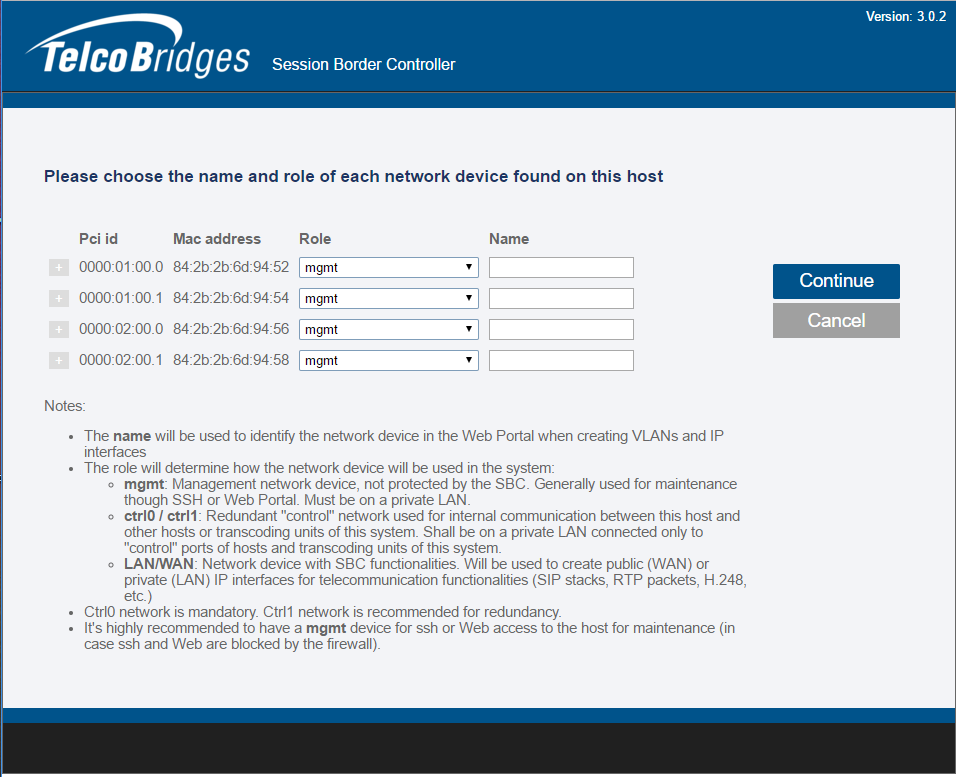
TelcoBridges offers two different Metaswitch alternatives for two different jobs. Tmedia is the product family to evaluate when retiring a UMG media gateway. ProSBC is the product to evaluate for software SBC deployment. TelcoBridges documents Tmedia as a certified UMG alternative in collaboration with Alianza for supported configurations. Ask whether that integration applies to your exact software release, interfaces, and gateway model.
Where it fits. This is one of the more specialized Metaswitch competitors for providers that need to replace a component while preserving the rest of the network. A carrier might use a Tmedia gateway to keep particular access circuits in service while the MetaSphere call controller remains in place. An all-IP operator may instead need to replace a border controller, in which case a gateway quote solves a different problem.
What to validate. If you compare UMG-focused Metaswitch alternatives, inventory the carrier links, access signaling, clock source, chassis capacity, spares, and network management interfaces. Test the gateway together with the call-control release and applicable access equipment. For ProSBC, ask for a lab configuration that reproduces session counts, encryption, media behavior, and redundancy.
What changes the quote. ProSBC has published purchase and evaluation paths. TelcoBridges lists a free ProSBC lab capped at three concurrent sessions and a 500-session Essentials example at US$417 per month billed annually. Price the configuration and support you actually require. Tmedia hardware and engineering have a different cost structure. Make Metaswitch competitors separate the platform, support response, redundancy, and hands-on migration labor in the response.
Where the fit changes. A gateway project can preserve access while voice core planning continues. Record who will support the integration after go-live and the conditions under which hardware or software needs to be upgraded together. For an SBC-only project, define where subscriber features, routing policy, and reporting will live once the Perimeta traffic moves.
6. Oracle Communications SBC — Best for Fixed and Mobile SIP Interconnect
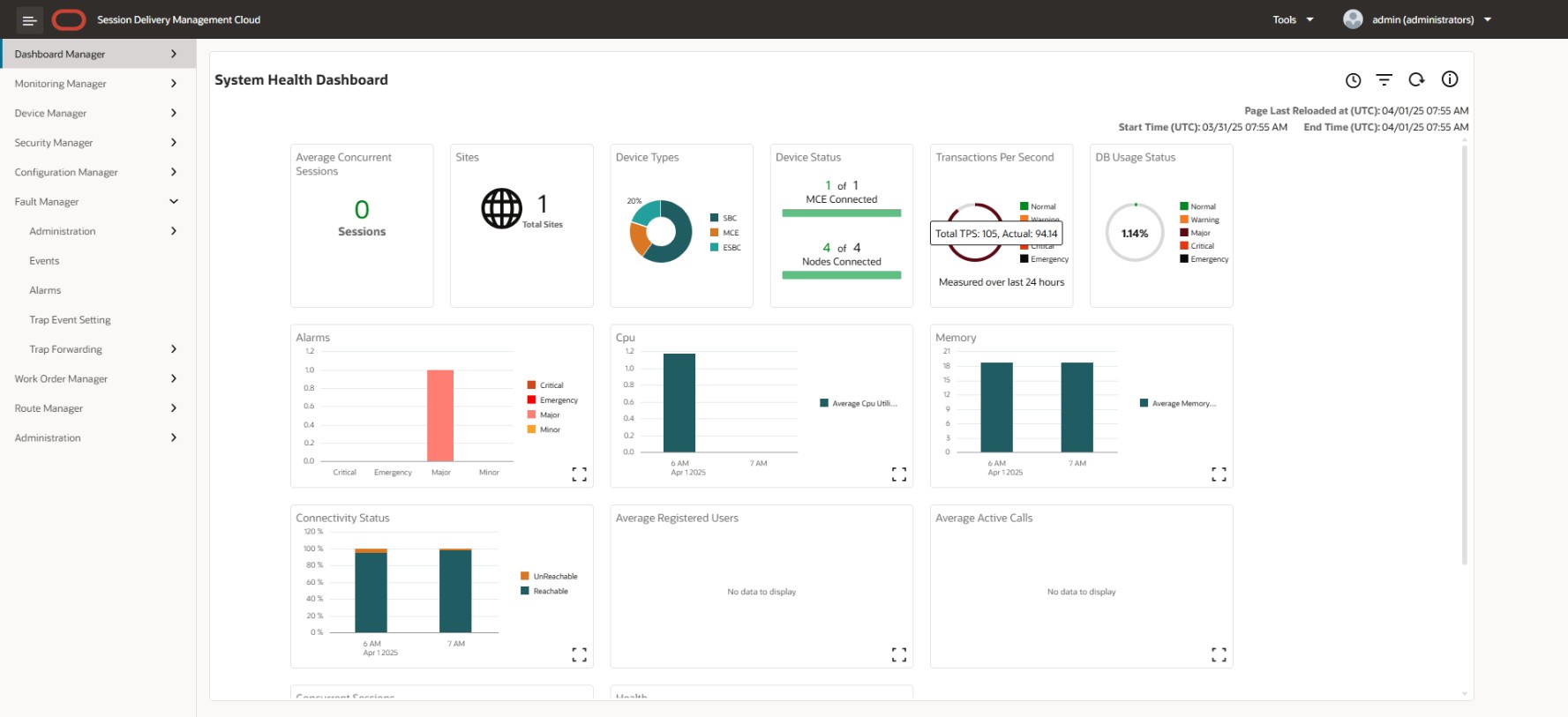
Oracle Communications Session Border Controller is among the SBC-focused Metaswitch alternatives for carrier interconnect. Oracle describes the product for fixed, mobile, and over-the-top communications. Ask for the carrier product, proposed deployment model, and supported release. Oracle also sells enterprise SBC products, so the exact quotation matters.
Where it fits. Compare Oracle with other Metaswitch competitors when Perimeta is the boundary between multiple networks or the carrier edge must handle different signaling profiles. An operator might exchange traffic with multiple wholesale networks and deliver a different set of enterprise SIP trunks through the same estate. Group the trunks by role, media requirements, and routing rules so the vendor understands how traffic enters and leaves.
What to validate. Give Perimeta-focused Metaswitch alternatives a set of sanitized call examples covering both routine and rare problems. Include late media, caller ID handling, forwarding identity, multi-codec negotiation, TLS, and SRTP where applicable. Show how registrations or peer routes recover when a node fails. Measure what happens to active calls separately from how quickly new calls get through.
What changes the quote. Ask Metaswitch competitors to model signaling at the busiest intervals, concurrent sessions, transcoding, deployment or cloud charges, and standby capacity. Determine how alarm and call trace information reaches your team. A design that meets a session target can still require different resources if much of the traffic needs media processing.
Where the fit changes. Oracle’s SBC is an interconnect and session-control product. Keep subscriber call features, activation, and billing in the design under their intended owners. An operator moving the SBC can also use the project to clean up routing rules. Export and reconcile existing policy first so the change can be tested against actual outcomes.
7. Sansay VSXi — Best for SIP Trunking and Wholesale Routing
Sansay VSXi belongs among Metaswitch alternatives for service providers that need a software SBC and selected Class 4 routing functions. Sansay documents SIP trunking and least-cost routing use cases. For operators handling many carrier routes or changing commercial routing policies frequently, evaluate how the team maintains the routing table and how each decision can be audited.
Where it fits. Shortlist Sansay with other Metaswitch competitors when wholesale routing, trunk admission, and retry control drive the migration. Consider a provider with several termination partners that needs to route one group of calls by destination and another by customer agreement. A useful evaluation shows which routes were eligible, which one was selected, and what triggered a retry.
What to validate. Have routing-focused Metaswitch alternatives work from one shared route sheet and a sample of call records. Include each priority group, a route that rejects the call, a congested peer, a destination the customer cannot use, and variation in number format. Compare routing decisions, billing output, and the NOC’s ability to explain a failure.
What changes the quote. Ask Metaswitch competitors to specify traffic limits for the quoted deployment and whether support, standby capacity, routing integrations, and migration assistance are included. Request a walkthrough of how operations would update rate tables, test a route modification, and go back to a previous policy. This can reveal differences in administration that a call-through demo misses.
Where the fit changes. A wholesale switching project can leave subscriber Class 5 features in place. If the project includes residential calling, commercial PBX, or legacy access, dedicate an additional vendor requirement to those areas. Check how mediation and billing distinguish original attempts from completed calls when retry behavior moves to the new platform.
What Alianza’s Acquisition Means for Existing Metaswitch Customers
Ask Alianza for a current inventory of supported releases and a roadmap for the specific products you operate. Its portfolio continues to include former Metaswitch technology, so the choice can include maintaining the existing deployment, refreshing selected components, or moving to a different delivery model. A quote from the incumbent gives you a reference for maintenance and migration costs when you compare independent Metaswitch alternatives.
Separate the support decision from the hosting decision. Alianza’s portfolio describes Core for operator-managed network functions, Fusion for a hosted and managed Core deployment, and One for its full-stack cloud offering. Ask how each proposed model would handle the functions you currently operate. A carrier may prefer to retain control over its core and interconnect while moving business calling to a hosted platform. Another may want the vendor to take responsibility for both the software platform and its operation. Ask Alianza and shortlisted Metaswitch competitors to state who provides the after-hours NOC, who decides when to install a software update, and how the operator can obtain its configuration and historical records at the end of the agreement.
Document any contract terms that make a phased change difficult. Examples include a support bundle spread across multiple products, concurrent licensing that depends on an existing site, or an integration maintained under a separate agreement. Ask what happens to maintenance terms and fees when one component is retired early. Give finance both the expected overlap and a longer overlap scenario so it can estimate the effect of a schedule slip.
See Alianza Core’s current product portfolio.
How to Budget for Metaswitch Alternatives
Price each option over the same planning horizon and in the same currency. Include licensing, equipment or hosting, session or subscriber limits, support, professional services, and the cost of running both environments during the migration. If an SBC stays on the incumbent platform while you move hosted PBX, include the recurring SBC expense in the proposed operating model. That number belongs in the budget even though it is not part of the new vendor’s quote.
| Cost Driver | What to Include | What to Ask Metaswitch Competitors |
|---|---|---|
| Busy-hour capacity | Peak simultaneous sessions, new sessions per second, media processing, and growth. | What is licensed, what is a tested capacity limit, and what changes when more traffic needs transcoding? |
| Resiliency | A second node or site, private links, extra hosting, and failover capacity. | Can the surviving node handle the full busy hour? What support is included after failover? |
| Integration and data | Translation, provisioning APIs, CDR mediation, finance reconciliation, and troubleshooting. | Which integrations are deliverables, and who owns them when the release changes? |
| Dual operation | Parallel licenses, carrier work, customer communications, operations staffing, and pilot time. | How much overlap does the quote assume, and what would extra months cost? |
| Exit and ramp-down | Existing support obligations, export work, spare equipment, and decommissioning. | Which practical tasks and dependencies are excluded from the quoted implementation? |
Here is an illustrative sizing exercise. A carrier records 1,000 simultaneous sessions at its busiest point and wants capacity for 25% more traffic. That gives it a planning baseline of 1,250 concurrent sessions. If the design requires either of two nodes to carry all of that traffic after a failure, ask vendors to size each surviving path for the full 1,250. Obtain separate capacity figures for the call setup rate and for calls that require media processing. Ask Metaswitch competitors to confirm whether you buy one shared services allowance, two licensed capacity pools, or another arrangement. The arithmetic alone tells you nothing about the license model.
Compare the labor estimates behind the proposals. Work that appears once in the vendor’s project plan can recur across access types, billing systems, and customer groups. For example, a hosted PBX tenant with an automated export may move with fewer manual steps than a custom residential feature package or subscriber group billed by a different platform. Ask the shortlisted Metaswitch alternatives to move one representative cohort before using bulk migration cost estimates for the production plan.
How to Build a Migration Plan
Establish the Baseline and Test the Critical Calls
Capture busy-hour traffic, existing traces, trunk and endpoint inventories, and representative usage records. Include calls that cross between the old and new environments during the transition. Use one acceptance sheet across Metaswitch competitors. Record the expected number translation, selected route, media result, record output, and where operators can see the result without vendor assistance.
Include customer flows that operations teams rarely see in a standard sales demo. Examples are a call forwarded to another provider, a busy destination that triggers an overflow route, or an international call that follows a customer-specific rule. For applicable emergency services, confirm local requirements and agree on approved testing procedures with the responsible carrier and authorities. Include location information and routing among the acceptance checks. The broader plan should use controlled tests for ordinary calls and a formally approved process for emergency-call validation.
An example from a gateway migration is an old access circuit that still carries a service with an unusual feature code. The pilot should cover that circuit and test the feature from the subscriber’s endpoint. A demonstration on a lab SIP phone would give a different result. Use real categories of access equipment when comparing Metaswitch alternatives, even when you anonymize the subscriber data.
Run Both Systems During a Limited Pilot
Start with a small customer or traffic cohort you can observe and support. Define how callers enter the pilot, which party can redirect traffic, and what happens if the new system passes calls but downstream billing breaks. When comparing Metaswitch competitors, ask to see a handoff between the two networks in both directions. Include calls between migrated and unmigrated customers and check whether records reconcile.
Have finance verify usage and the NOC verify live operation for that same cohort. A daily check can compare completed call counts, error codes, setup delays, and rated usage. Review unexplained differences before enlarging the pilot. Existing rates and service bundles may expose discrepancies that test calls missed. Keep a dated record of decisions so you can distinguish an approved feature change from a migration defect.
Agree on Cutover Criteria and the Route Back
Define who can start a cutover, who watches the metrics, and who can stop it. Give Metaswitch alternatives the same go-live and fallback requirements. If a subscriber profile changes on the new platform after cutover, the fallback plan should identify how the old side will receive that change. Where a number port or external carrier change is involved, ask the authorized carrier what can actually be reversed within the maintenance window.
Document the conditions for advancing to the next wave. Examples include acceptable inbound and outbound test results, confirmed data replication, correct CDR ingestion, and a clean set of post-migration support tickets. Keep transition evidence for each cohort. It can help distinguish a carrier routing issue from an endpoint resynchronization problem weeks after a change.
Test Provisioning and Billing as Separate Handoffs
A phone can ring correctly while the surrounding subscriber processes fail. When you test Metaswitch alternatives, trace one complete order through number assignment, service activation, changes, and cancellation. Record the customer identifier used in the CRM, switch, mediation platform, and invoice. A shared tenant name can look consistent on screen even when the systems use different identifiers underneath. Agree on the source for each identifier and how a corrected record propagates before switching customer orders to the new system.
Build a test for a partially completed change. For instance, the customer portal might report that a new trunk has been added while the billing update is still pending. Ask Metaswitch competitors what an operator sees, how the job can resume, and how a retry avoids creating a duplicate trunk or a duplicate charge. Ask for the exception report and have someone from operations use it to reconcile one failed change. This exercise takes a meeting with the provisioning and billing teams as well as the voice engineers.
Decide which historic data needs to remain accessible in the new operating model. A dispute about an old call may require the original route, timing, rated amount, or invoice reference. Export a sample from the current environment, restore it into the intended archive or reporting workflow, and make sure the team can answer a test dispute. Compare how the Metaswitch alternatives handle records that cannot be imported and which fields your staff can still search after legacy access ends.
Ask the shortlisted Metaswitch competitors to name the interface owner for each handoff. Put the supported interface versions and review process for future changes in the implementation scope. If support for an integration sits with a third party, record where the first ticket goes and what proof that team needs to establish which system rejected the request.
Put Operational Ownership in Writing
List the team responsible for each layer of the final design. Ask the shortlisted Metaswitch competitors who investigates call setup issues at a carrier boundary and who owns customer-facing answers when more than one vendor is involved. Include status visibility, access permissions, and expected response time in the handoff. For a managed offering, ask how the provider shares call traces and incident evidence with your team.
Schedule a review after the first invoice and after the busiest service interval. Verify that operations can find traces, adjust routing policy under its normal approval process, and reconcile the affected customer accounts. Ask what the incumbent can safely retire and what licenses or records must remain available through the transition. Once those decisions are recorded, decommission the retired component according to your own network and records plan.
Frequently Asked Questions
Which Metaswitch Alternatives Are Best for Replacing a Carrier Voice Core?
Start with Ribbon if the project includes subscriber call control, application services, and carrier interconnect. Keep Alianza’s proposal as the incumbent benchmark. If billing and SIP switching have to move together, include PortaOne and price any separate access equipment.
Which Metaswitch Competitors Can Replace Perimeta?
Compare Ribbon SBCs, TelcoBridges ProSBC, Oracle Communications SBC, and Sansay VSXi. Match the exact product and release to your peering, enterprise access, security, media, and high-availability requirements. Bring anonymized examples from your current interconnect into the lab.
What Is the Best Replacement for Metaswitch MaX UC?
NetSapiens is a strong starting point for white-label UCaaS and hosted PBX. Cisco BroadWorks with Webex is another option for service providers that want to pair provider-hosted voice with Webex collaboration. Compare user provisioning, mobile and desktop clients, desk-phone features, and customer-facing support against both Metaswitch alternatives.
Can I Replace a UMG Gateway and Keep MetaSphere CFS?
Yes, a gateway-only migration is possible in supported configurations. TelcoBridges documents a certified Tmedia path for certain UMG deployments. Have Alianza and the gateway vendor confirm the exact access protocols, hardware, controller release, integration scope, and support responsibilities.
Did Microsoft Discontinue All Metaswitch Products?
No. Alianza bought Metaswitch from Microsoft and still lists selected Metaswitch products under Alianza Core. Ask for the current lifecycle notice for your individual product and release.
Do Metaswitch Competitors Publish Pricing?
Some do for selected products. TelcoBridges publishes ProSBC evaluation and purchasing options. Most carrier deployments require quotes because capacity, redundancy, legacy interfaces, support, and implementation vary by project. Ask for an itemized proposal and model the cost of running both platforms during migration.
Is a SIP Trunk or Business Phone Service a Metaswitch Alternative?
It can replace a specific service you buy, such as an external trunk or hosted business phone system. It takes a carrier-grade switching platform, SBC, or gateway to replace those network functions. Start by identifying which service you own and which you buy. Our guide to how SIP trunking works explains how a trunk fits into that design.
How to Use Reviews and References for Metaswitch Competitors
G2 lists a 4.3/5 rating from 11 reviews for Ribbon and a 4.7/5 rating from three reviews for PortaBilling. The Ribbon listing covers a broader product and the PortaBilling score covers the billing component. Use them to form questions about support and usability. For a carrier purchase, request references using the role you expect to deploy, such as an access-heavy voice core or a billing migration with parallel invoicing.
A useful reference call starts with the network profile, number of sites, and project scope. Ask what slipped, what the operator had to build itself, and who investigated the first difficult incident after cutover. Ask the reference to describe a change its NOC made unaided. These answers help you compare how the Metaswitch alternatives will operate after the original implementation team leaves.