
How to Call to Mexico From US: The Ultimate 2026 Guide
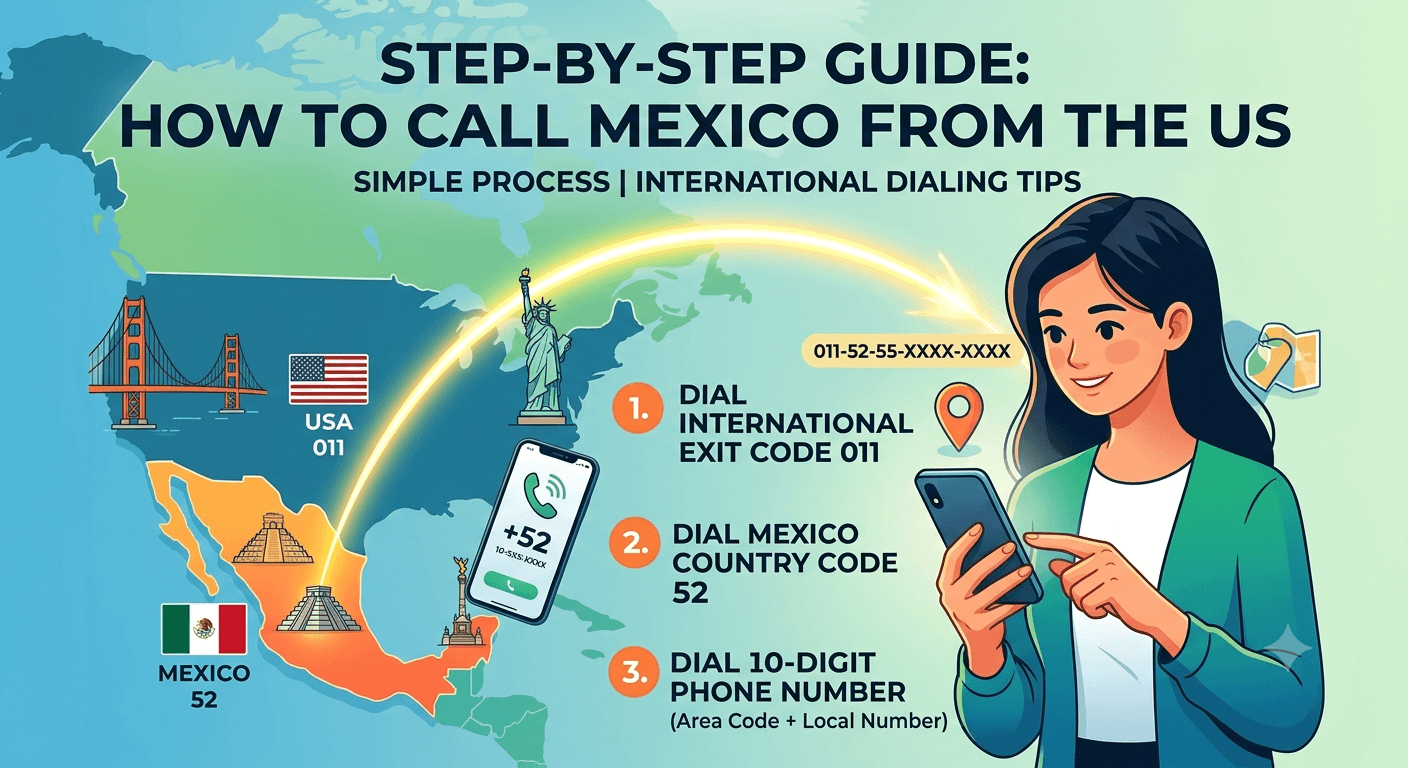
To call to Mexico from us, you must first dial the international exit code 011, followed by the Mexico country code 52. After entering these prefixes, you dial the 10-digit Mexican phone number, which includes the area code and the local subscriber number. For example, a call to a landline or mobile in Mexico City would look like 011-52-55-XXXX-XXXX. Since the 2019 telecommunications reform in Mexico, the process has been simplified by removing additional prefixes like 1, 01, 044, or 045, making it easier for residents in the United States to connect. A Step-by-Step Guide on How to Call Mexico from the US Connecting with friends, family, or business partners across the southern border is a straightforward process once you understand the international dialing sequence. To successfully place a call to Mexico from us, you need to follow a specific order of numbers that tells your service provider exactly where the call should be routed. Without the correct exit and country codes, your call will likely result in an error message or be routed to a domestic location. Begin by dialing the United States exit code 011, which signals that you are making an international call. Input the Mexico telephone country code 52 immediately after the exit code to direct the call to the Mexican telephone network. Remove any trunk codes like 01, 044, or 045 that might be listed in older contact records, as these are no longer used for international incoming calls. Enter the 10-digit phone number, which consists of the mx area codes followed by the local seven or eight-digit subscriber number. Press the call button and wait for the ringing tone, ensuring you have an active international calling plan with your carrier. It is important to remember that all phone numbers in Mexico were standardized to a 10-digit format by the Instituto Federal de Telecomunicaciones. This change was implemented to eliminate confusion between landlines and mobile devices, ensuring that a call to mexico from us follows the same pattern regardless of the device receiving the call. Call to Mexico Now from USA Understanding the Mexico Country Code and Phone Formats Every country is assigned a unique identifier by the International Telecommunication Union to facilitate global communication. For those wondering what is the country code for Mexico, the answer is 52. This specific code for Mexico acts as the gateway for all incoming international traffic. When you prepare to call to Mexico from us, this two-digit number is the most critical piece of information after the initial exit code. The country code for 52 is recognized globally as the prefix for the United Mexican States. The Mexican phone code 52 must be used for both landlines and cellular phones when calling from outside the country. International callers must distinguish between the exit code 011 and the Mexico international phone code 52 to avoid dialing errors. Most modern smartphones allow you to replace the 011 exit code with a plus sign (+) by holding down the zero key. If you are using a mobile device to call to Mexico from us, the format +52 followed by the 10-digit number is often the most reliable method. This format is universally accepted by digital networks and ensures that your call bypasses the need for manual exit code entry. Understanding the dialing code of Mexico helps in avoiding the common mistake of adding extra digits that were historically required but are now obsolete. Which Area Code Should I Use? Mexico utilizes a system of area codes that vary in length depending on the population and infrastructure of the region. Most major cities use a two-digit area code, while smaller municipalities typically use a three-digit Mexico area number. When you call to mexico from us, identifying the correct area code is essential for reaching the specific geographic location of your contact. Mexico City, the nation’s capital, uses the area code 55, which is the most frequently dialed code from the United States. Guadalajara, a major business and cultural hub, uses the 33 area code for all local and mobile numbers. Monterrey, known for its industrial importance, utilizes the 81 area code to connect its residents and businesses. Smaller regions, such as Morelia, use a three-digit prefix like the area code 443 mexico to complete the 10-digit dialing sequence. According to research by the Federal Communications Commission (FCC), providing the correct area code is the most common point of failure in international calling. You can find a comprehensive list of international calling tips to help navigate these requirements. If you are unsure of the specific Mexico international area code for a smaller town, it is best to verify with the recipient before attempting the call to Mexico from us. How Do I Dial a Cellphone Number in Mexico? In previous years, calling a Mexican mobile phone required an additional prefix, which often caused confusion for travelers and business professionals. However, the current system has been streamlined significantly. To call to Mexico from us on a mobile device, you no longer need to add a “1” after the country code. The 10-digit number you have is sufficient to reach both mobile and fixed lines across the country. Dial 011 followed by 52 and then the 10-digit mobile number directly. Ensure you do not include the old 044 or 045 prefixes, as these will cause the call to fail. If you are saving the contact in your phone, use the +52 format to ensure the phone handles the exit code automatically. Check with your service provider to see if they charge different rates for mobile versus landline destinations. The removal of the mobile prefix has made it much simpler to call to mexico from us. This change reflects a global trend toward unified numbering plans, where the destination device type does not change the dialing procedure. Whether you are trying to reach a friend in Cancun or a colleague in Tijuana, the 10-digit mexico country code phone sequence remains consistent and reliable. Formatting Mexican Numbers for WhatsApp WhatsApp is one of the most popular communication tools used for staying in touch with people in Mexico. However, the app requires a very specific format to recognize a contact and allow for messaging or VoIP calls. When you want to call to Mexico from us using WhatsApp, you must format the number in your contact list using the international standard. Open your phone’s contacts app and create a new entry for your Mexican contact. Start the phone number with a plus sign (+) followed by the Mexico phone country code 52. Enter the full 10-digit number immediately after the country code without any spaces or dashes. Save the contact and refresh your WhatsApp contact list to see the person appear in your chat options. Failure to include the + sign or the Mexico international code country code will prevent WhatsApp from identifying the number as a valid international contact. This digital format is slightly different from the traditional landline method because it relies on the internet protocol rather than the standard telephone switchboard. Once correctly formatted, you can call to Mexico from us for free over a Wi-Fi connection using the app’s internal calling feature. How do I Make a Business Call from the US to Mexico? Conducting business across borders requires a high level of professionalism and an understanding of local communication norms. When you call to Mexico from us for business purposes, it is vital to ensure that your phone system is configured for international reach. Many corporate VoIP systems require an extra digit, such as a 9, to access an outside line before you can even begin dialing the 011 exit code. Verify that your office phone system allows for international dialing to the telephone code of Mexico. Be aware of the time zone differences, as Mexico spans multiple zones including Central, Mountain, and Pacific time. Prepare for the call by having the full 10-digit Mexico telephone country code ready to avoid delays during the dialing process. Consider using a dedicated business communication platform that provides clear audio quality for international long-distance calls. Reliability is key in business, and using a high-quality carrier ensures that your call to Mexico from us does not suffer from lag or dropped connections. Large enterprises often use dedicated trunks that optimize the route to the mexico international dialing code, providing a landline-quality experience even over digital networks. Always confirm the recipient’s local time to ensure you are calling during standard business hours in their specific region. Mexico Area Codes, Toll-Free, and Emergency Numbers Mexico has a vast network of area codes that cover its 32 states. While the most common codes are two digits, many others are three digits long. For instance, if you need to reach someone in the state of Campeche, you might use the 981 area code. Understanding the variety of area codes for Mexico cell phones and landlines is helpful when you need to call to Mexico from us across different provinces. Toll-free numbers in Mexico typically start with 800, but calling them from the US can be complicated. Most Mexican 800 numbers are not reachable from outside the country unless the business has enabled international toll-free service. For emergency services within Mexico, the universal number is 911, similar to the United States and Canada. If you are calling a business with an 800 number from the US, you may need to look for their standard 10-digit local number instead. When you call to mexico from us, you might encounter numbers that seem different from the standard 10-digit format. These are usually internal short codes or legacy numbers that have not been updated. Always look for the 10-digit version of any phone number to ensure compatibility with international dialing standards. The mexico country area code system is designed to be comprehensive, covering everything from the busiest cities to the most remote villages. How Do I Lower the Cost of Calling Mexico Regularly? Frequent communication can become expensive if you rely on standard pay-per-minute rates from traditional carriers. To save money when you call to mexico from us, it is wise to explore various calling plans and digital alternatives. Many US-based carriers offer “Mexico Plans” that provide unlimited calling for a flat monthly fee, which is often much cheaper than individual long-distance charges. Check with your mobile provider for add-on packages that include the mexico phone code in their unlimited calling circle. Utilize VoIP services like Skype or Vonage, which often have lower international rates for calls to landlines and mobiles. Use data-based applications for voice calls when both parties have a stable internet connection to bypass traditional tolls. Consider purchasing an international calling card if you prefer using a landline without a dedicated international plan. A fact worth noting is that the United States and Mexico have one of the highest volumes of cross-border telecommunications traffic in the world. Because of this high demand, many providers have moved toward “North American” plans that treat a call to mexico from us almost the same as a domestic long-distance call. Shopping around for these plans can result in significant annual savings for families and businesses alike. Best Time and Methods to Call Mexico Timing your call is just as important as knowing how to dial the number. Mexico primarily operates on Central Standard Time, which is the same as much of the US Midwest. However, some regions follow different zones. When you call to mexico from us, double-checking the local time in the specific city prevents you from calling too early or too late in the day. Mexico City and most of the central and eastern regions are on Central Time (CST/CDT). States like Sonora do not observe Daylight Saving Time, which can cause a one-hour shift relative to the US during certain parts of the year. Baja California follows Pacific Time, keeping it in sync with cities like Los Angeles and Seattle. The most reliable method to call to mexico from us remains the +52 mobile format, as it adjusts automatically to network changes. The best method for calling often depends on your current environment. If you are at home with high-speed internet, a VoIP service might provide the best clarity. If you are on the go, a mobile plan with international roaming or calling features is the most convenient. Regardless of the method, knowing the what is the area code for mexico for your destination ensures the call connects on the first attempt. Comparing International Calling Options There are several ways to facilitate a call to mexico from us, each with its own set of pros and cons. Traditional landlines offer the most stability but are often the most expensive option without a specific plan. Mobile phones offer convenience and the ability to use apps, while specialized international calling services provide a middle ground for those who need to call frequently but want to avoid high carrier fees. Traditional Landlines: High reliability, clear audio, but potentially high costs per minute. Mobile Carriers: Convenient for on-the-go calls, often include Mexico in “unlimited” plans. VoIP Services: Very low cost, requires a good internet connection, works on computers and smartphones. Calling Cards: Useful for those without a permanent phone plan, but often involve hidden fees and rounding. When choosing an option to call to mexico from us, consider the frequency of your calls and the duration. If you only call once a month, a standard mobile call might be fine. If you call daily for hours, an unlimited VoIP or carrier plan is essential. Understanding the prefix to call mexico and the associated costs helps you make an informed decision that balances quality and budget. Troubleshooting Common Calling Issues Even with the right steps, you might encounter issues when trying to call to mexico from us. Common problems include getting a busy signal, a recording in Spanish that you might not understand, or the call simply not going through. Most of these issues stem from a few frequent errors that are easily corrected with a bit of attention to detail. Check if you have included the exit code 011; many people forget this and the call stays within the US network. Verify that you haven’t included the old “1” prefix for mobiles, as this was discontinued several years ago. Ensure your phone plan actually has international calling enabled, as many prepaid or basic plans block these calls by default. If you hear a recording mentioning “el número que usted marcó,” it usually means the 10-digit number is incorrect or the area code is wrong. If you continue to have trouble, try calling a different number in the same area to see if the issue is with the specific line or the entire network path. Sometimes, network congestion during peak holidays like Christmas or Mother’s Day can make it difficult to complete a call to mexico from us. Patience and re-dialing after a few minutes often solve temporary network issues. Understanding the Evolution of Mexican Telecommunications The way we call to mexico from us has changed significantly over the last decade. In the past, callers had to navigate a complex system of prefixes that changed depending on whether they were calling a landline in a city or a mobile phone in a rural area. The 2019 reform by the Mexican government was a landmark event that aimed to make the country more accessible to the global community. This reform mandated that all phone numbers, regardless of their origin or destination type, must be exactly 10 digits long. This simplicity has encouraged more cross-border communication and supported the growth of international trade. By removing the barriers of complex dialing strings, it has become easier than ever to call to mexico from us, fostering stronger social and economic ties between the two nations. Professional Etiquette for Calling Mexico When making a call to mexico from us, especially for the first time or for business, it is helpful to be aware of certain cultural nuances. Mexicans generally value a polite and somewhat formal introduction. Starting a conversation with a friendly “Buenos días” (Good morning) or “Buenas tardes” (Good afternoon) goes a long way in establishing a positive connection. Be prepared for a slightly more relaxed approach to time in social calls, but stay punctual for business meetings. Language barriers can sometimes exist, so speaking clearly and at a moderate pace is beneficial if you are not fluent in Spanish. Many people in Mexican business circles speak English, but attempting a few words in Spanish is often viewed as a sign of respect. Always confirm the identity of the person you are speaking with to ensure the call to mexico from us has reached the intended recipient. These small gestures of etiquette can make your international interactions much more successful. Whether you are calling for a hotel reservation or a high-stakes business negotiation, a professional and respectful tone ensures that your call to mexico from us is well-received and productive. Read More: What is 844 Area Code? Are 844 Area Code Scam or Legitimate Final Thought Successfully placing a call to mexico from us is a simple matter of following the correct dialing sequence: 011, then 52, followed by the 10-digit local number. By staying updated on the latest changes in the Mexican numbering plan and choosing the right calling method for your needs, you can maintain clear and affordable communication across the border. Whether for business or personal reasons, the ability to connect instantly with Mexico is a vital tool in our interconnected world, ensuring that distance is never a barrier to meaningful conversation. Frequently Asked Questions How do I call Mexico from the US? To call to mexico from us, dial the exit code 011, then the Mexico country code 52, and finally the 10-digit phone number. This 10-digit number includes the area code and the subscriber’s local number. How do I call Mexico City from the US? Dial 011, then 52, followed by the Mexico City area code 55 and the 8-digit local number. The total sequence should be 011-52-55-XXXX-XXXX. Do I need to dial 011 to call Mexico? Yes, if you are calling from a landline in the United States, you must dial 011 to signal an international call. On a mobile phone, you can often hold the 0 key to produce a + sign instead of dialing 011. How do I dial a +52 number? To dial a number starting with +52, simply enter the + sign (usually by holding the 0 key), then 52, followed by the 10-digit Mexican phone number. This is the standard format for mobile devices. What is the 3 digit code for Mexico? Mexico does not have a single 3-digit code; instead, it uses the 2-digit country code 52. However, many of its area codes are 3 digits long, such as 981 or 443. Are calls to Mexico free from the USA? Standard calls are usually not free unless you have a specific international plan with your provider. However, you can make free calls over the internet using apps like WhatsApp, Skype, or FaceTime. How do I call a Mexican mobile phone? Dial 011-52 and then the 10-digit mobile number. You no longer need to add a “1” or any other prefixes like 044 after the country code. Can I call a Mexican 800 number from abroad? Generally, you cannot call a Mexican toll-free number from the US unless the owner of the number has set up international access. It is usually better to find a standard 10-digit local number for the business. How do I format a Mexican number for WhatsApp? In your phone’s contact list, save the number as +52 followed by the 10-digit area code and local number. Do not include any other prefixes or spaces.