MessageBird, now branded Bird, is worth considering for businesses building customer messaging and calling workflows across multiple channels. Its current platform offers competitive selected SMS rates and a shared Inbox, but buyers must distinguish newer accounts from legacy MessageBird services. Compare the complete pricing, integration work and support terms before deciding whether it fits your team.
This MessageBird review covers features, pricing, pros and cons, account differences, practical cost examples and alternatives. The central question is whether the selected product completes the customer task your business needs. An inexpensive message segment helps, but staff still need to handle replies, developers need reliable events, and a voice application needs clear behavior when a call cannot be completed.
MessageBird Review: Who Is Bird Best For?
Bird is a relevant shortlist option for developers embedding communications, teams evaluating a shared messaging workspace, and businesses planning customer messaging and voice services. Begin with a defined outcome, such as a delivered notification followed by a handled reply or an incoming voice call connected to the right employee. The appropriate product and implementation follow that requirement.
A business seeking an ordinary voice phone subscription should compare the finished employee experience separately. Access to an API, a number or browser calling does not establish that all required voice features are configured. Identify who supplies the working interface and who maintains the process before comparing a component rate with complete per-user service pricing.
 The rating uses the named Bird product profile. It spans customer experiences across products and account generations; it is not our technical test score for the newest platform.
| Provider | Best Fit | Buying Considerations | Pricing & Evaluation |
|---|---|---|---|
|
| Local Outgoing SMS: $0.0035/SegmentSelected current bird.com US base; carrier fees extra. Legacy terms can differ. Test sending requires funding; free Inbox software does not make usage free.Review Setup And Funding |

Our Review Method
This is a research-based assessment of published documentation, commercial information and the named customer-review profile. We have not sent production messages, placed calls, measured response times or audited the infrastructure. Recommendations are editorial judgments about product fit and the requirements buyers should validate.
For Bird, those boundaries matter because the portfolio and account systems have evolved. An older review can describe a different interface or agreement from the one a new buyer receives. Use customer feedback to prepare questions, then verify the actual product, account generation and commercial terms rather than assuming every historical experience applies to your proposed deployment.
Is MessageBird The Same As Bird?
MessageBird rebranded as Bird, but that does not make every account interchangeable. Current documentation distinguishes the older Connectivity Platform, the Engagement Platform and newer bird.com accounts. Legacy keys and purchased credits remain with their original account. A matching email address does not automatically migrate them.
| Environment | Typical Entry Point | Buying Implication |
|---|---|---|
| MessageBird / Connectivity Platform | dashboard.messagebird.com | Legacy account, keys and credits stay with that environment |
| Bird Engagement Platform / CRM | app.bird.com | Separate environment; follow its applicable account guidance |
| Newer bird.com platform | bird.com/dashboard | Uses its own API, credentials and organization wallet |
Use the official guidance for customers coming from MessageBird to identify your environment. This is especially useful when a connected tool offers a provider option labeled MessageBird. Confirm which API that integration expects before buying another product or replacing a working credential.
Why The Account Boundary Affects Buying Decisions
Before a migration discussion, ask the implementation team to inventory the application's endpoints, callbacks and authentication method. A recognizable brand name in a settings menu is not proof of compatibility with a newer platform. The review should establish the Bird connection your application uses and the changes needed to support the proposed account.
For an existing Bird customer, continuity can be more valuable than a small rate difference. Document the customer behavior that must survive the change: reminders, incoming replies, voice routing and employee access. That creates a useful comparison between maintaining the present workflow and rebuilding part of it on a different service.
MessageBird Features: What The Current Bird Platform Offers
Bird's current portfolio includes messaging, voice and related workflow tools. Product access, sender approval and account terms still apply. A broad feature catalogue is a reason to investigate the required combination, not evidence that every account includes every channel or a complete voice or messaging operation.
| Capability | Relevant Use | Question To Resolve |
|---|---|---|
| SMS APIs | Customer updates and replies | Can staff act on an incoming response? |
| WhatsApp and email | Additional customer-contact channels | Are sender, category and country terms confirmed? |
| Shared Inbox | Employee conversation handling | Which channels, users and permissions are required? |
| Voice, SIP and browser calling | Configured business calling paths | What connects, fails over and creates charges? |
| Automation and AI-related tools | Connect communication to business actions | Who maintains the application and confirms completion? |
| Dashboard and developer tools | Configuration and incident investigation | Who owns access, events and maintenance? |
| Other channel products | Evaluate additional customer experiences | Is production access available or still limited? |
SMS APIs And Two-Way Customer Messaging
Bird provides SMS sending and incoming-message capabilities for configured workflows. The useful business result extends beyond submitting a request. A reminder should reach the intended recipient, a reply should attach to the correct customer, and a staff member should know when further action is required.
Consider a customer replying that an appointment time no longer works. Decide whether the response enters an Inbox, updates an existing record or creates a task. A Bird application that sends reminders successfully but leaves replies unattended can still disappoint customers. Include reply handling and ownership in the Bird project scope from the start.
For a team building with Bird, distinguish request acceptance from final delivery events. A queued message is not evidence that a customer has read it. Keep status interpretation consistent across reports and interfaces so staff do not describe an attempted notification as a confirmed customer response.
WhatsApp And Multichannel Conversations
Bird offers WhatsApp-related products alongside SMS and email. Evaluate the sender setup, permitted message types and applicable platform fees for the intended country and category in the pricing estimate. A customer-support conversation, a marketing template and a sign-in message can have different commercial and operational requirements.
A multichannel project should also establish how a customer is recognized across interactions. For example, a person might reply on WhatsApp after receiving a separate reminder. Staff need enough context to continue helping without creating conflicting records. The connected Bird workflow should explain where that context lives and who owns the next action.
Confirm access to additional channels rather than assuming they are generally available. Bird's current pricing catalogue marks RCS and Push as private beta. If either is essential, obtain an explicit availability and commercial answer before including it in a launch plan. Do not treat an available documentation page as proof of production entitlement.
Shared Inbox For Employee Conversations
Bird publishes a free shared Inbox software offer, while connected channel usage remains chargeable. This distinction can be useful for a team evaluating staff access without assuming messages or rented numbers are free. Confirm the actual interface, connected channels and account permissions needed by your employees.
Ask 2 employees to work through a sample customer enquiry. They should be able to identify the conversation, understand what has already been said and determine who will respond. Then test a reopened enquiry or a handoff between employees. A clean interface matters, but the team needs a process that prevents unanswered messages and duplicate responses.
Bird Inbox is also different from the developer administration console. One helps employees manage conversations; the other helps administrators configure resources and investigate events. Ask the supplier to demonstrate both roles rather than using an attractive dashboard screenshot as proof that the complete service workflow is ready.
Programmable Voice, SIP And Browser Calling
Bird documents voice interfaces, SIP connectivity and browser-based options. The appropriate voice path depends on the application and the system staff already use. An administrator connecting compatible equipment has different requirements from a developer embedding calling in a customer portal.
Map one representative voice interaction before requesting a quote. Identify the incoming number, any routing logic, the employee endpoint and the behavior when that endpoint is unavailable. A forwarded call can create both incoming and outgoing connections, so the pricing estimate must reflect the actual path. Bird documents a single handling fee for the forwarded call, rather than one fee per leg.
For remote staff using Bird, evaluate headset behavior, browser permissions and the connection they normally use. Check what happens when the laptop sleeps or the browser closes. The voice caller should hear a useful next step rather than wait in silence. Hosted infrastructure reduces some operational work, but the employee voice experience still needs configuration and testing.
Voice Automation And AI-Related Workflows
Bird's documentation includes calling workflows and AI-related connection options. Confirm the release status and exact functions required by your project. A building block for an AI application is different from a finished receptionist service with approved business knowledge, connected booking actions and a human escalation process.
For an AI voice pilot, judge completion in the business system. If an agent offers an appointment, verify the saved calendar entry. If it promises a callback, verify that staff receive an actionable request. Give the application a clear response for an unavailable system rather than accepting a spoken promise as evidence that the task succeeded.
Use approved information and realistic exceptions in the demonstration. Include a correction, an interrupted question and a request to speak with someone. The purpose is to learn how much implementation and maintenance the business needs. We do not treat an impressive sample conversation as a measured reliability result.
Important Voice Limitation: Emergency Calling
Bird's current placing-calls documentation says its voice service does not carry emergency calls. A business using that voice route needs another appropriate voice path for emergency services. Resolve this requirement with the phone-system supplier before treating the proposed configuration as the organization's only voice option.
Automation, Events And Customer Records
Bird offers workflow tools and event-driven integrations, but each connected action should have an identified owner. Decide what starts a workflow, which business information it reads and what counts as completion. Message usage and workflow execution can be separate commercial components, so include both where applicable.
A useful example is an unanswered customer call followed by a staff callback request. The workflow should avoid creating a second request when a delayed voice event arrives. It should also preserve the latest customer instruction if the request changes. These details are easier to establish during a small pilot than after several departments depend on the automation.
Dashboard, API Keys And Administrative Access
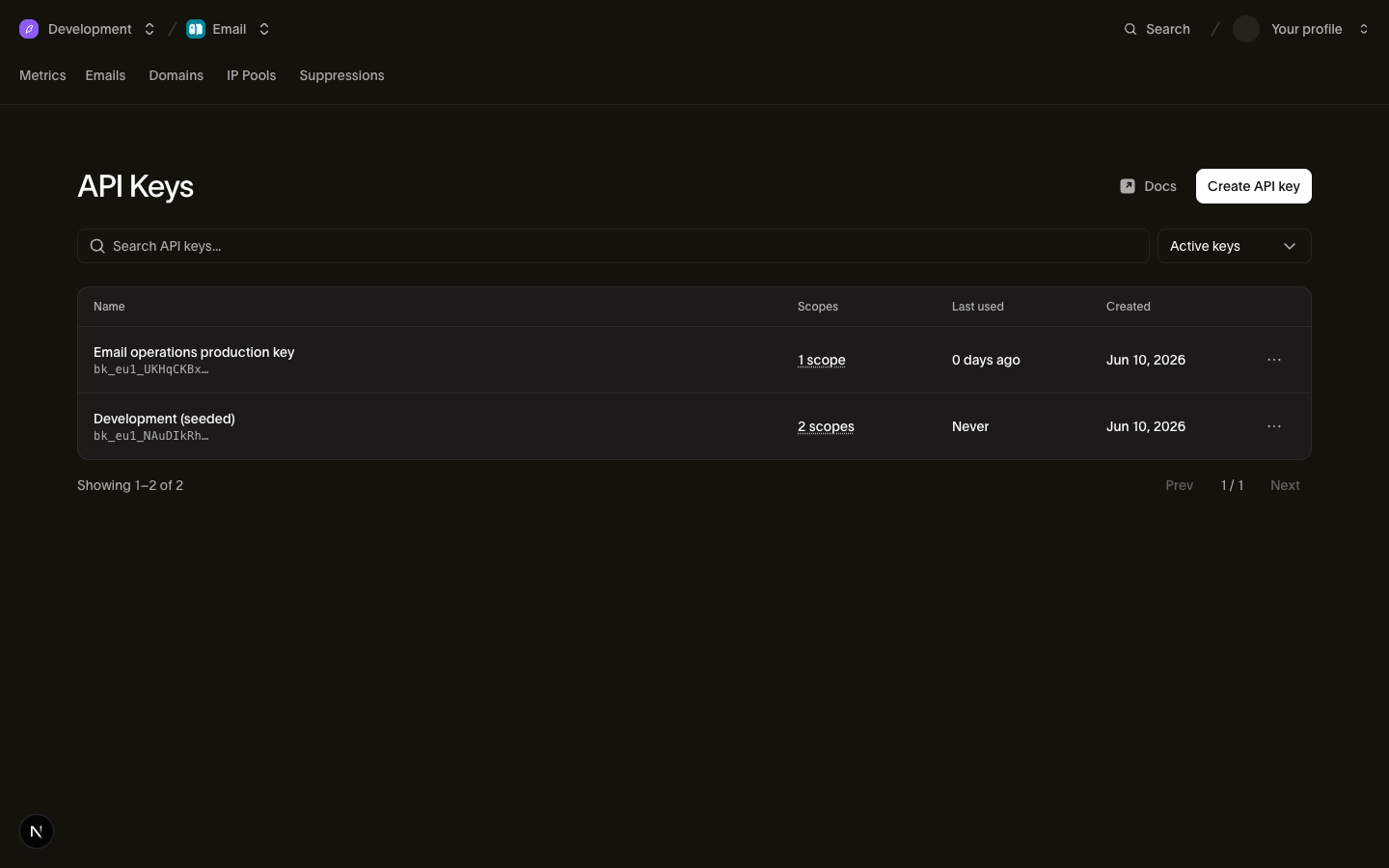
Bird's dashboard documentation describes channel configuration, API keys, team access and activity resources. These controls help an administrator manage the integration, but the business must assign permissions deliberately. Give each person or connected service the access needed for its task and establish who maintains credentials when staff or suppliers change.
For a voice or messaging incident, useful evidence includes the affected product, workspace, request identifier, time and observed status. Keep credentials and unrelated customer information out of ordinary support reports. A concise description of the expected and actual result helps the team locate the failure without assuming the network is responsible for every application problem.
MessageBird Pricing: Current Bird Rates And Qualifications
The following pricing table uses selected current bird.com US components in USD. These are not guaranteed rates for every legacy MessageBird contract. Carrier fees, registrations, optional processing and account-specific terms can change the total. Existing customers should reconcile their own rate card rather than assume a new public offer reprices their account.
| Item | Published Component | Important Qualification |
|---|---|---|
| Local outgoing SMS | $0.0035/segment | Carrier, sender and other applicable fees separate |
| Toll-Free outgoing SMS | $0.0035/segment | Verification and additional fees apply |
| Short-Code outgoing SMS | $0.0070/segment | Rental, setup and other charges separate |
| Incoming SMS, selected sender types | $0.0010/segment | Carrier and account terms still apply |
| Outgoing landline / mobile calling | $0.0049–$0.099/minute | Prefix-dependent; handling is additional |
| Local incoming calling | $0.0090/minute | Handling and number rental additional |
| Call handling | $0.0040/minute, billed per second | Separate from the rounded calling component |
| Selected local number rental | $0.50/month equivalent | Confirm setup; current guidance describes annual prepayment |
| Shared Inbox software | Free software; channel usage charged | Number rental and other selected services remain separate |
| Optional processing and other products | Obtain configuration-specific quote | A listed feature does not establish zero cost |
Separate Usage, Rental And Funding
Bird uses a shared balance to pay for usage and relevant products. A manual top-up adds spendable funds. Some product plans make recurring deposits into that balance, while other plans include capacity under their own terms. Funding the account is different from consuming a service, so do not count the same eligible usage twice.
For example, adding $100 and then consuming $40 of eligible usage leaves $60 before other activity. It does not automatically create $140 of consumed service cost. Cash paid, balance remaining and usage consumed answer different pricing and budgeting questions. A pricing forecast should show those categories separately, especially when deposits recur.
Read Voice Pricing Beyond The Lowest Destination Rate
Bird's selected US outgoing voice range for landlines and mobiles is prefix-dependent. The public page also lists a separate handling fee. For whole-minute voice illustrations, the lower destination endpoint plus handling produces $0.0089 per minute, while selected local incoming calling plus handling produces $0.013 per minute. Those are qualified component combinations, not universal all-in rates.
The different meters also matter. The selected US calling component rounds up to whole minutes, while handling is billed per second. Use the official Bird US voice pricing to confirm the actual route and pricing terms. Avoid applying an illustrative increment from another guide or an older platform to every current call.
SMS Pricing Includes Direction And Sender Type
Bird's selected sending and receiving rates differ. Include customer replies in the estimate and match the required sender type. A local number, toll-free number and short code can have different registration and commercial requirements even when some headline segment rates match.
Use actual destination and sender information when requesting custom pricing. Keep carrier charges separate from the platform base, and identify any minimum commitment or recurring campaign charge. If a required item is unconfirmed, obtain a quote rather than treating the missing figure as zero.
Number Pricing And Upfront Cash Requirements
A monthly number-rental equivalent does not necessarily describe the payment collected at purchase. Bird's current refund guidance states that phone numbers are paid a year in advance. Confirm the exact number, setup requirements and collection period before budgeting the initial payment in the pricing forecast. The examples below allocate rental monthly to compare recurring components.
Include registration and other one-time charges in a separate launch budget. For a campaign priced at $10 per month and billed every 3 months, that recurring campaign portion represents $30 per collection. It is not the total sender-setup bill. Match the actual campaign category and current provider terms before using the illustration.
MessageBird Cost Examples: SMS And Voice Workloads
These pricing examples use selected public rates and stated quantities. They exclude carrier fees, registrations, taxes, optional processing, support and connected software unless specified. The calculations help explain the cost structure; they do not predict every invoice or override an existing agreement.
| Workload | Selected Calculation | Partial Result |
|---|---|---|
| 10,000 outgoing local SMS segments | 10,000 × $0.0035 | $35 |
| Those outgoing segments + 2,000 incoming segments | $35 + $2 | $37 |
| 10,000 visible texts producing 2 outgoing parts each | 20,000 × $0.0035 | $70 |
| 1,000 outgoing + 1,000 incoming exact-minute call units | $8.90 + $13; lower outgoing endpoint | $21.90 |
| 50,000 outgoing + 20,000 incoming local SMS segments | $175 + $20 | $195 |
| That larger SMS workload + balanced calling + 10 local number allocations | $195 + $21.90 + $5 | $221.90; excludes upfront collection differences |
SMS Example: Outgoing Messages And Customer Replies
At the selected long-code rate, 10,000 outgoing SMS segments produce a $35 platform component. Adding 2,000 incoming segments adds $2, bringing that subtotal to $37. Actual carrier charges and sender-related fees still need to be included. An outgoing-only estimate would miss part of a two-way customer conversation.
A larger Bird workload of 50,000 outgoing and 20,000 incoming segments produces $175 plus $20, or $195 before other charges. Use the expected reply pattern for your own operation. A delivery notification service and a staff-managed customer conversation can have different incoming volumes even when they send the same number of initial messages.
Message Length Can Change Pricing
Bird counts SMS by segment, with encoding affecting capacity. Basic GSM-7 messages have a different allowance from Unicode content, and some characters use additional encoding space. Test the completed template after names, addresses and other fields have been inserted rather than relying only on the visible text length.
If 10,000 visible texts each create 2 outgoing segments, the selected base becomes $70 instead of $35. Both are before additional charges. Keep necessary customer instructions, but remove repetition and validate the part count. A single message bubble on a phone does not establish that only one segment was charged.
Voice Example: Exact-Minute Calling
For an illustrative 1,000 outgoing voice minutes at the lower selected destination endpoint, destination and handling components total $8.90. For 1,000 selected local incoming minutes, the equivalent total is $13. Together they produce $21.90 before other charges. This example assumes exact-minute chargeable durations and the stated route components.
At the upper selected outgoing endpoint, 1,000 outgoing minutes plus handling would instead be $103. Adding the same incoming component produces $116. This is a sensitivity example, not a claim that all ordinary voice calls use the upper rate. It shows why a prefix-qualified route quote matters before relying on a starting price.
Voice Example: Short Calls And Different Meters
For 100 answered outgoing voice calls lasting 23 seconds each, the lower selected destination component bills 100 whole minutes, or $0.49. Handling uses 2,300 connected seconds, producing about $0.1533. The combined illustration rounds to $0.64 after aggregation, before other charges and any account-specific invoice precision.
At 65 seconds per call, the destination component becomes 200 whole minutes, or $0.98, while handling uses 6,500 seconds, or about $0.4333. The combined illustration rounds to $1.41. Model each meter separately and reconcile actual records; applying the rounded minute count to handling would produce a different and inaccurate comparison.
Mixed Usage And Number-Rental Allocation
Combine the larger SMS example at $195 with the balanced exact-minute calling example at $21.90. Adding a monthly allocation of $5 for 10 selected local numbers gives $221.90 before excluded costs. This is a recurring-component illustration, not the upfront payment required to acquire and activate those resources.
For the buying decision, add implementation and employee-handling work. A lower network component may still require a more expensive application or connector. Conversely, a maintained custom workflow may justify its setup effort. Compare the full ownership cost against a relevant alternative rather than choosing only the lowest line in a rate table.
Does MessageBird Offer A Free Trial?
Do not assume a historical MessageBird trial applies unchanged to a new Bird account. Current product pages distinguish free software or tiers from chargeable communication usage. The SMS quickstart requires a funded wallet, so its test workflow should not be presented as an unlimited, fixed-duration free SMS trial.
Bird documents a first-message path using a built-in template and selected shared sender. That limited test does not establish permission to send arbitrary production content from your own business identity. Confirm sender registration, destination access and the pricing and funding requirements relevant to the actual product.
Funding Is Different From Promotional Credit
The current wallet guidance describes a 15-unit minimum top-up in the wallet currency. That is customer funding, not a verified promotional credit. Check the actual account before applying the figure, especially if your business is using a legacy environment with different commercial arrangements.
Also review renewals, automatic top-ups and exit terms before funding more than the evaluation needs. Bird's guidance describes ordinary top-ups and plan payments as non-refundable, subject to stated exceptions. Cancelling future activity and recovering an existing balance are different questions. Obtain the applicable terms rather than assuming a trial-style refund policy.
How To Evaluate Bird Before Moving Customer Traffic
Start with 1 complete customer journey and a small, defined voice or messaging evaluation scope. Assign an operational owner who understands the customer task and a technical owner who maintains the integration. A clear pilot produces more useful evidence than trying several disconnected features without deciding what success means.
- Identify the account. Establish the platform, region, API and agreement being evaluated.
- Define the outcome. Specify what a completed message, reply or voice enquiry should produce.
- Confirm resources and access. Verify the intended sender, destination and production requirements.
- Connect the actual business workflow. Show the staff interface or business-system record used to continue the task.
- Exercise failures. Include a delayed event, unavailable employee, changed customer request and failed external action.
- Reconcile usage. Compare observed billable units with the pricing forecast and obtain missing commercial information.
- Plan the transition. Expand after the essential workflow works and the remaining responsibilities are understood.
Use A Pilot That Reflects Real Customer Behavior
For a service business evaluating Bird, a useful pilot might start with a reminder and end with a confirmed change of appointment. For voice, include a caller choosing an incorrect option or an employee failing to answer a voice call. Establish what the customer should hear or receive and where the resulting task should appear.
Keep a short Bird issue record containing the expected result, actual result and owner. A workflow can look active in a Bird administrative log while the customer still needs help. Judge the completed task rather than the number of screens visited or API requests accepted during a demonstration.
Make The Evaluation Financially Useful
Record setup work separately from recurring service usage. Estimate the effort to maintain templates, routing, access and connected systems after launch. Then compare the observed communication units with the original forecast. If one interaction creates more billable segments or connections than expected, revise the pricing estimate before scaling.
For Bird, this approach also helps compare account generations fairly. Keeping an existing integration may be preferable to rebuilding it for a modest pricing advantage. Alternatively, a newer workflow may remove enough manual work to justify a change. The conclusion should follow documented costs and outcomes, rather than assuming newer always means better.
MessageBird Integrations: Check The Exact Platform
A connector labeled MessageBird can refer to an older API. Confirm its supported host, credentials and functions with the connector supplier. Do not assume a newer Bird key will work simply because the company branding is familiar. The integration's maintenance status and commercial scope belong in the buying review.
Ask for a demonstration of the complete workflow inside the system employees use. Send a sample notification, receive a reply and inspect the resulting record. For voice, show the customer context available to the employee who answers. Identify which supplier handles a failure in the connection between the services.
Named Integrations And Custom API Work
A general API makes custom integration possible; it does not mean every business application has a ready-made supported connector. Identify the implementation owner, required license and hosting arrangement. A connector can also have its own pricing, separate from the underlying messages or minutes.
This matters when comparing Bird with Signal House's documented GoHighLevel integration. Ask each proposed supplier to show the actual staff workflow and eligible client model. Then compare setup and maintenance responsibilities alongside usage costs. A named integration can be useful, but it does not establish that every requested feature or traffic type is included.
MessageBird Support And Reliability
Bird's current support guidance points customers to workspace-specific support options and asks for diagnostic context. Establish the applicable arrangement before relying on it for a customer-facing service. Do not apply an older support-plan price or another product's service promise to every current account.
What To Confirm About Support
Ask which channel handles an urgent incident, who can open it and what response commitment applies. Confirm the distinction between an initial response, investigation and resolution. For a voice application, identify the owners of the employee voice endpoint, routing logic and connected systems as well as the communication provider.
Prepare an incident contact list outside the application itself. Staff should know the temporary customer contact method and who can authorize a configuration change. A useful escalation process reduces uncertainty, even when the voice fault turns out to be in a third-party application rather than the underlying service.
Measure The Customer Journey
We do not assign Bird an independently measured delivery, uptime or voice-quality score. A relevant evaluation should examine your destination, sender, application and endpoint. Record where a failure occurred so an unavailable employee is not confused with a network issue or an application rejecting a valid event.
Use outcomes employees can act on: resolved enquiries, completed transfers, assigned callbacks and confirmed updates. A platform accepting a message is not proof that a customer read it, and a call connecting is not proof that the intended person answered with useful audio. Clear definitions make the evidence easier to assess.
Capacity And Traffic Bursts
Bird documents rate limits and product-specific capacity. Request acceptance, active voice calls and carrier delivery capacity are different dimensions. A monthly volume forecast does not show whether the account can handle the concentrated activity expected at the start of a campaign or business day.
Describe the burst pattern when discussing a Bird plan. Ask what queues, what fails and which limits can be raised under the applicable terms. Do not assume a larger wallet balance removes every limit. The pilot should include a capacity review appropriate to the intended workload rather than an unsupported claim that scale is automatic.
Bird Security, Preferences And Access Controls
Security depends on the platform and implementation being used. Assign ownership for API keys, employee permissions and event receivers. Keep privileged credentials out of public client code and remove access that is no longer needed. A successful test request does not establish that the deployed configuration has appropriate controls.
Bird's webhook documentation describes signature verification and delivery deduplication. The application receiving Bird events must implement those controls and distinguish a repeated event from a valid later update. Protect event data and limit unnecessary retention. An external service used for a Bird development test is not automatically an appropriate place to store real customer information.
Customer Preferences Across Voice And Messaging Must Survive Changes
Bird documents SMS opt-out and suppression behavior, including technical sender-specific scope. That scope is not permission to contact someone from a different sender after they ask the business to stop. Preserve the customer's stated preference through migrations, imports and connected systems, including requests received outside an SMS reply.
For a mixed voice and messaging operation, define how staff record a request and which communication purpose it covers. Make the intended process clear to the people maintaining the integration. A clean migration includes customer preferences as well as contacts, templates and credentials.
Sensitive Data And Contractual Scope
For sensitive communications, obtain the agreement and product-specific scope appropriate to the proposed use. Review connected applications, voice recordings, AI processing and staff access together. A general brand-level security statement does not establish that every possible deployment is suitable for regulated information.
Decide what information is needed to complete the task and what can be omitted from logs or summaries. Confirm retention, export and deletion responsibilities before purchase. These requirements can affect implementation and operating costs, so they belong in the commercial discussion rather than being deferred until after launch.
MessageBird Pros And Cons
Advantages To Evaluate
- Several communication products. Businesses can assess messaging and voice tools around a defined workflow.
- Competitive selected SMS components. Current US sending and receiving rates provide a useful starting point for qualified cost modeling.
- A shared Inbox software option. Staff can evaluate the interface while keeping channel usage and number charges separate.
- Programmable integration options. Maintained applications can connect communication events to business systems.
- Published account guidance. Current documentation helps buyers identify important differences between legacy MessageBird and newer environments.
Limitations To Resolve
- Account generations require care. Bird keys, balances and connectors should not be assumed interchangeable.
- Headline rates are incomplete. Handling, carrier, sender and optional service charges can affect the bill.
- Implementation still needs an owner. Communication building blocks do not automatically create a complete employee workflow.
- Funding and exit terms matter. Deposits, recurring payments and ordinary refund restrictions affect cash planning.
- Product availability and support vary. Confirm Bird release status, access and the actual escalation agreement.
Which Teams Should Shortlist MessageBird Or Bird For Voice And Messaging?
Developers Building A Maintained Application
Bird is a reasonable candidate when a product team already owns the software and needs communications inside it. Start with a representative customer journey, then test event handling and the connected business action. For voice, include the endpoint and failure experience rather than stopping at a successful outgoing voice request.
Estimate the cost of onboarding and supporting each customer. A Bird feature requiring repeated manual configuration may work for a pilot but become expensive at scale. Document resource ownership and support responsibilities so the commercial forecast reflects the actual operating model.
Customer-Service And Operations Teams
For staff-led conversations, evaluate the actual Bird Inbox and customer record. Ask employees to find an unanswered enquiry, understand its history and complete the next step. Then check access and assignment requirements. A free software offer can be valuable, but the required workflow and chargeable channels still need validation.
For a team using both voice and messaging, identify how the conversation continues between channels. If employees must search several systems to understand one voice request, the implementation may need additional work. Compare that effort with alternatives that already fit the team's normal tools.
Agencies And International Businesses
An agency evaluating Bird should confirm its client model, account structure and permitted traffic. Identify who owns each sender, who handles support and how resources can move when a client leaves. Technical separation alone does not establish commercial permission or a finished client-facing service.
An international business should use a country-and-capability checklist. Separate number availability, outgoing destinations, messaging sender requirements and employee location. Broad channel coverage is a reason to investigate the needed combination, not a promise that one number or plan supports every market identically.
MessageBird Alternatives And Competitors
The right MessageBird alternative depends on what needs replacing. A custom API application, a shared messaging workflow and an employee voice phone service are different purchases. Compare matched outcomes and complete pricing rather than declaring one provider the best substitute for every product.
Signal House For A Relevant Supported Workflow
Signal House is worth evaluating when its documented integration and assistance model match your requirements. Request a demonstration of sending, replies, staff access and the applicable support arrangement. Confirm traffic eligibility and the connector's commercial terms rather than assuming a general API rate covers the whole workflow.
Bird has the lower selected entry US local outgoing SMS component. Signal House's reason to make the shortlist is therefore a demonstrated workflow or implementation fit, not an invented blanket price advantage. Compare the actual voice or messaging outcome and maintenance burden before deciding whether paying a different base rate makes sense.
Other Programmable Communication Competitors
Our Twilio alternatives and competitors guide offers a broader starting shortlist for API projects. Compare each candidate's relevant products, destinations and support terms. Keep public rates, negotiated discounts and temporary offers separate so a narrow price advantage is not mistaken for a permanent saving.
Require a representative migration demonstration when compatibility is important. Similar terminology does not prove identical callback behavior, sender support or billing. For an existing application, the most useful competitor comparison includes the work needed to preserve the customer experience.
Packaged Phone Services For Everyday Calling
If employees mainly need to answer, transfer and return voice calls, compare ready-made business VoIP phone services before commissioning a custom workflow. Identify the value customization would add and the ongoing work it creates. A finished employee application can be the more appropriate purchase when standard calling is the priority.
Bird may also be infrastructure behind a partner's application. The buyer should still know who supplies the finished service, what its subscription pricing includes and who supports it. Compare the actual offer employees will use rather than treating an underlying API rate as the price of a complete business phone system.
How To Approach A MessageBird Voice And Messaging Migration
Begin by inventorying the existing application, numbers, senders, templates, callbacks and customer preferences. Bird's current migration documentation maps important differences in the older Connectivity Platform integration. Treat that guidance as a project input rather than assuming a brand change makes the transition automatic.
Test a separate, approved workflow before replacing the working service. For messaging, check the send result, later events, incoming replies and preference handling. For voice, check caller identity, routing, transfers and an unanswered destination. Identify the owner and expected result for each dependency.
Plan the code change and resource move separately where necessary. A correctly updated application can still depend on a number or approval that has not moved. Keep a fallback and an authorized operational owner for cutover, then reconcile the first production usage with the pricing forecast before expanding volume.
MessageBird Review: Frequently Asked Questions
What Is MessageBird Called Now?
MessageBird is now branded Bird. Existing accounts and newer products are not automatically interchangeable, so confirm the actual platform before choosing credentials, documentation or pricing.
Do MessageBird Credits Move To Bird.com?
No. Current account guidance says purchased legacy credits stay with the original MessageBird account. A new account should not be treated as an automatic balance transfer, even when the same email address is used.
Is Bird Good For Small Businesses?
Potentially, when the selected application or API matches the business's needs and implementation resources. Include employee workflow, support and maintenance in the decision. An inexpensive usage component does not by itself establish a complete small-business voice phone or messaging service.
How Much Does MessageBird SMS Cost?
For the selected current bird.com US rates, outgoing local SMS is $0.0035 per segment and incoming local SMS is $0.001 per segment before additional charges. Legacy agreements and other destinations can differ, so confirm the applicable pricing.
Is Bird Inbox Free?
Yes, the current pricing page describes the shared Inbox software as free. Connected channel usage, number rental and other applicable services are separate. Free software does not mean unlimited free customer messages.
Does Bird Offer A Free SMS Trial?
The documented SMS quickstart requires paid wallet funding. It describes a limited first-message path. Verify the actual Bird account and product terms instead of applying a historical MessageBird promotion.
How Are Bird Voice Calls Charged?
Charges depend on direction, destination and the calling path, with handling and number rental where applicable. The selected US page uses whole-minute rounding for calling and per-second handling. A forwarded interaction can create incoming and outgoing legs.
Can Bird Replace An Office Phone System?
Only if the complete proposed voice configuration meets the organization's requirements. Confirm the staff interface, routing, support and emergency-calling arrangement. API access or a SIP connection alone is not proof of a fully configured office service.
Is Signal House Cheaper Than Bird?
Bird has the lower selected entry US local outgoing SMS base. A complete comparison can differ with incoming voice, integrations, carrier charges and support requirements. Evaluate the actual workload rather than claiming one provider is universally cheapest.
Will My Existing MessageBird Integration Work With Bird?
Not automatically. Identify the platform and API expected by the connector, then confirm the appropriate credentials and migration work. A familiar provider label does not establish compatibility with a newer account.
Is Bird Reliable?
Reliability should be evaluated for the actual Bird application and route. Published features and customer ratings do not replace a relevant pilot. Track completed customer tasks, failed events and voice outcomes without treating API acceptance as proof of success.
Final Verdict: Is MessageBird Worth Considering?
When evaluating MessageBird, identify the actual Bird product and account being offered before comparing the commercial terms. The strongest case combines a demonstrated customer workflow, a complete pricing model and clear implementation ownership. Selected current SMS components are competitive, while account boundaries and additional voice charges deserve careful attention.
Compare Signal House where its supported integration fits the requirement, and compare packaged phone services when everyday staff calling is the main need. Resolve production access, support, funding and migration before committing. Choose the service that completes the required task at an acceptable operating cost, with a workable maintenance plan.
MessageBird And Bird Customer Reviews
The named Bird G2 profile reports a 3.9/5 customer rating. Jayraj M. describes a useful WhatsApp Inbox and integration experience, while noting setup expertise and small-team cost concerns. A verified consulting reviewer describes a clean interface but dissatisfaction with support and product issues. These are individual accounts, not findings from our own testing.
The profile spans products and account generations, so its score is not an isolated benchmark of the newest API platform. Use feedback to prepare questions about your intended workflow and support arrangement. Confirm the proposed terms and pilot results rather than assuming either a positive or negative review predicts every deployment.
Affiliate Disclosure: We may earn a commission if you purchase through an affiliate link in this article, at no additional cost to you. Affiliate relationships do not establish product performance or replace verification of the provider's current terms.