
The best TextGrid alternatives are Signal House for US sender management and a programmable SMS API, Telnyx for usage-based messaging and number administration, and Twilio for applications that need specific Twilio tools or a broader programmable stack. Plivo is worth comparing for developer-led SMS and MMS. Bandwidth, Sinch, and Vonage make sense when larger deployments, additional markets, or multiple messaging channels drive the decision.
Start with the technical or operational reason you want to change. TextGrid already publishes an inexpensive US outbound SMS base rate. Some TextGrid competitors have higher published base rates, so their value may come from scheduled sends, easier investigation of delivery failures, a supported number in another country, or one fewer integration for developers to maintain. Ask what a replacement changes for the applications and people who use the service today.
The biggest migration risk is assuming that similar API paths mean identical behaviour. A shortlist of TextGrid alternatives should prove which sender is used, what happens when a user replies, which event confirms delivery, and how billing treats both directions. Validate each of those things against a small approved dataset before you change a live number.

G2 Customer Ratings
- Signal House 4.9/5 (370 reviews)
- Telnyx CPaaS 4.7/5 (528 reviews)
- Twilio 4.1/5 (569 reviews)
- Plivo 4.5/5 (746 reviews)
- Bandwidth 4.4/5 (504 reviews)
- Sinch 3.8/5 (35 reviews)
- Vonage Communications APIs 4.2/5 (404 reviews)
- TextGrid · G2 profile has no aggregate rating
Compare TextGrid Alternatives by API Fit and Pricing
| Provider | Best Fit | What to Verify | Pricing & Trial |
|---|---|---|---|
| US application messaging and sender management | Price the exact long code, toll-free, or short code route. Check carrier fees, approvals, and GHL integration pricing. | US$0.0065/10DLC SMS partNo-minimum base provider charge. Number rental and carrier fees are separate.US$25 Credit for Eligible New AccountsStart With US$25 Signal House Credit | |
Telnyx CPaaS  | Usage-based SMS and number operations | Verify carrier fees, messaging profiles, sender scope, and how replies are handled. | US$0.004/outbound SMS partUS long-code base reference, plus carrier fees. Check number rental and inbound traffic.See Telnyx Messaging Prices |
Twilio  | Programmable SMS and integrated status events | Price the sender type and destination. Allow for engineering work and any separate inbox. | From US$0.0083/US SMS segmentBase send or receive reference for applicable senders. Carrier and number fees can apply.30-Day Free Trial, With SMS Test LimitsStart a 30-Day Twilio Free Trial |
Plivo  | Developer-led SMS and MMS | Compare long code, toll-free, and short code separately. Scope ownership of the integration. | US$0.0077/US long-code SMSPublished base rate in either direction. Carrier fees and number rent are separate.Free Trial Account AvailableStart a Plivo Free Trial |
Bandwidth  | Larger messaging deployments and carrier-level operations | Confirm commercial terms, volume, throughput, sender approvals, and support for the proposed route. | US$0.0040/sample outbound SMSPublished pricing illustration. Request an actual route-specific quote.30-Day Free Trial With Verified Recipient LimitsStart a 30-Day Bandwidth Build Free Trial |
Sinch  | SMS APIs for multiple recipient markets | Price each country, sender type, and reply path. Confirm developer SMS terms separately from Sinch Engage. | US$0.0078/base US SMSPublished rate for applicable US routes. Carrier and number charges can apply.Free Test Account AvailableTry the Sinch SMS API |
Vonage Communications APIs  | SMS plus channels such as WhatsApp or RCS | Price the SMS API or Messages API you intend to deploy. Check destination fees and sender eligibility. | Destination-based SMS pricingCheck direction, sender type, number cost, and applicable carrier charges.Demo Mode With Test CreditSee Vonage SMS Pricing |

The table uses published US-dollar references for relevant routes. A base SMS rate covers the provider’s service charge for the shown direction and sender type. Add carrier charges, numbers, registrations, support, and any voice or channel costs for your use case. Team sizes in the profiles are illustrative.
What TextGrid Competitors Need to Replace
TextGrid lists US$0.0035 per outbound US SMS segment for its standard tier, with lower published rates at higher volumes. Carrier surcharges and registration fees are separate. Its rate card also shows inbound carrier fees for some senders and networks. Evaluate the inbound and outbound bill independently, even if the platform’s own inbound SMS charge is zero.
TextGrid documents compatibility with supported Twilio-style operations for messaging, voice, accounts, and some number tasks. Its migration guide describes API host and credential changes, use of provider-specific resource identifiers, and webhook verification with TextGrid’s own signature. Its limitations page says the text-message endpoints don’t schedule future sends or accept a Twilio Messaging Service SID as a sender. Bulk API access depends on permission, and an account linked to GoHighLevel can have separate API access restrictions.
When evaluating TextGrid alternatives, inventory the API calls that your current application actually issues. Add the parameters, sender choices, expected response, status callbacks, and effect of a failure. If a tool uses a familiar SDK, ask whether that compatibility covers the exact feature or simply the request format for a basic send. Plan to test signed inbound events with the replacement provider’s supported verification once it is configured.
One application may use TextGrid for login notifications and another for two-way conversations. For each job, give TextGrid competitors an expected message sequence and identify the role that owns the next action. A login code has a short useful life. A question from a customer might need to appear in the right support queue even if it arrives several hours later. That difference determines how you test status, delays, exceptions, and duplicate events.
1. Signal House for US Messaging APIs and Sender Operations
Best for a SaaS team or agency with roughly two to 25 people running US notifications or client messaging. Signal House is one of the strongest TextGrid alternatives when you want a US messaging API, published sender-specific prices, and an operations dashboard. Its product materials cover local 10DLC, toll-free, and short code messaging. Check the sender and workflow you will deploy.
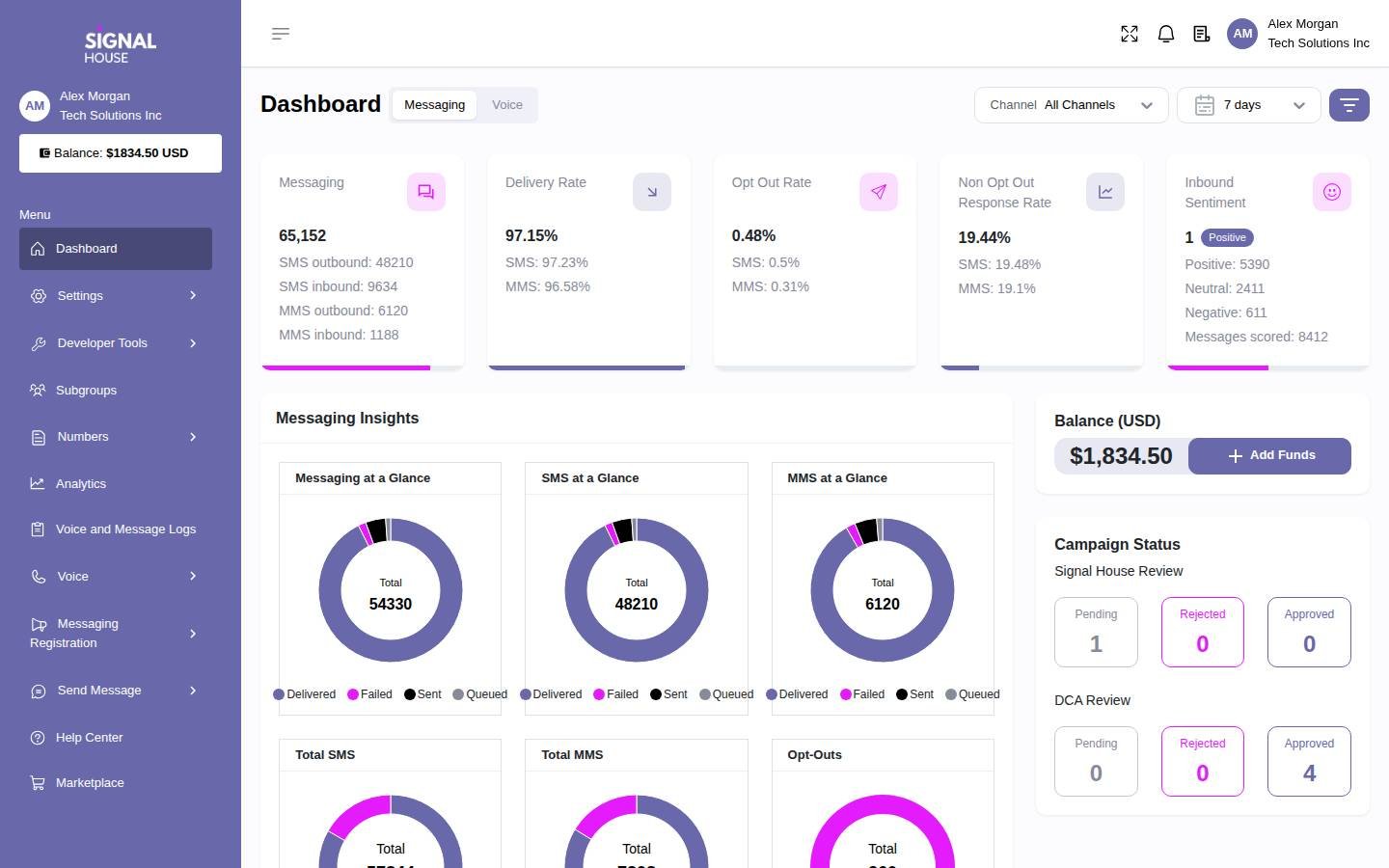
The provider lists US$0.0065 per segment for 10DLC SMS at its no-minimum tier, with applicable carrier fees and number costs handled separately. It advertises US$25 in credit for new accounts. Compare the standard rate and your carrier mix with TextGrid’s actual invoices. If you’re moving from a low-priced TextGrid route, make sure the replacement’s operational benefits justify any additional usage charge.
The most useful evaluation covers a complete US sender change. Ask the vendor to show where your staff can manage a brand or campaign, review message activity, and investigate why a reply failed to reach the consuming application. 10DLC is a type of ten-digit US long code used for registered business messaging. Treat its registration, number assignment, outgoing messages, and incoming replies as separate stages.
For teams comparing TextGrid competitors for an agency, choose one client to test first. Confirm whether the right users can view only that client’s numbers, message activity, and billing. Ask who owns the registrations and which records you can export if the client changes agencies later. If you use GoHighLevel, verify the applicable integration’s access and pricing separately. Our Signal House review covers the provider’s console and commercial terms in more detail.
Pilot goal. Confirm one approved sender and test an outbound notification, an inbound reply, and an opt-out. A developer should be able to trace the event in the application, while support can find the related activity without broad access to unrelated clients.
2. Telnyx for Usage-Based SMS and Number Administration
Best for a product or infrastructure team of about three to 40 people that manages an inventory of senders. Telnyx CPaaS is among the closest TextGrid alternatives when usage rates, number assignment, and programme-level visibility matter. Its US long-code pricing lists a US$0.004 base charge per SMS part in either direction, with carrier fees applied separately where relevant.
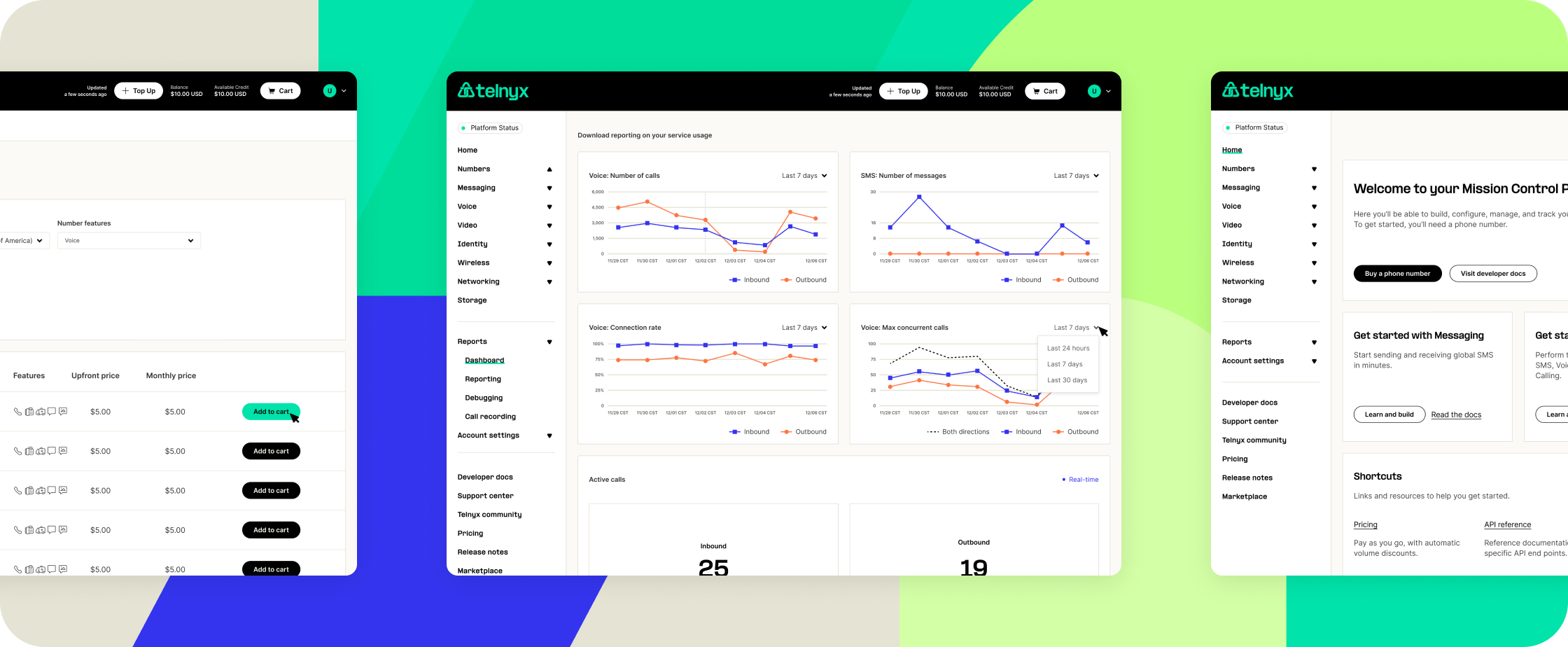
A messaging profile can help organise numbers and settings by application or operational unit. During a demo, name two services that should have different callback destinations or reporting. Ask the provider to configure a test profile for one and show where numbers, events, and costs can be viewed. Move one test number between the groups and check what happens to traffic already in flight.
The billing distinction is easy to miss when comparing TextGrid competitors. Telnyx’s published price for US long codes is an applicable base rate. Other sender types or traffic in different countries can have different numbers on the rate card. Add your expected incoming messages, number rental, and carrier mix. At a million outgoing segments, a difference of US$0.0005 per segment would add US$500 to the base cost before any other line changes.
Consider the engineering work of moving SDK calls and webhooks. Map your current sent, delivered, failed, and unknown states to Telnyx’s documented events. Decide where to persist provider message identifiers and which employee can use them to investigate a customer report. Preserve application-level correlations across both providers until the old route has finished delivering and replying.
Pilot goal. Compare one long-code sender with your intended alternative sender type, if applicable. Run the same send and reply test, retrieve usage for both, and ask a colleague to trace a message from the customer record to the provider’s report.
3. Twilio for Programmable Messaging and Native Twilio Features
Best for engineering teams or businesses already using Twilio tools such as Messaging Services. Twilio belongs high on the list of TextGrid alternatives if a named Twilio feature is the reason for switching. Its US rate card lists US$0.0083 per outbound or inbound SMS segment on applicable sender types before carrier fees. Price the associated services you actually need.
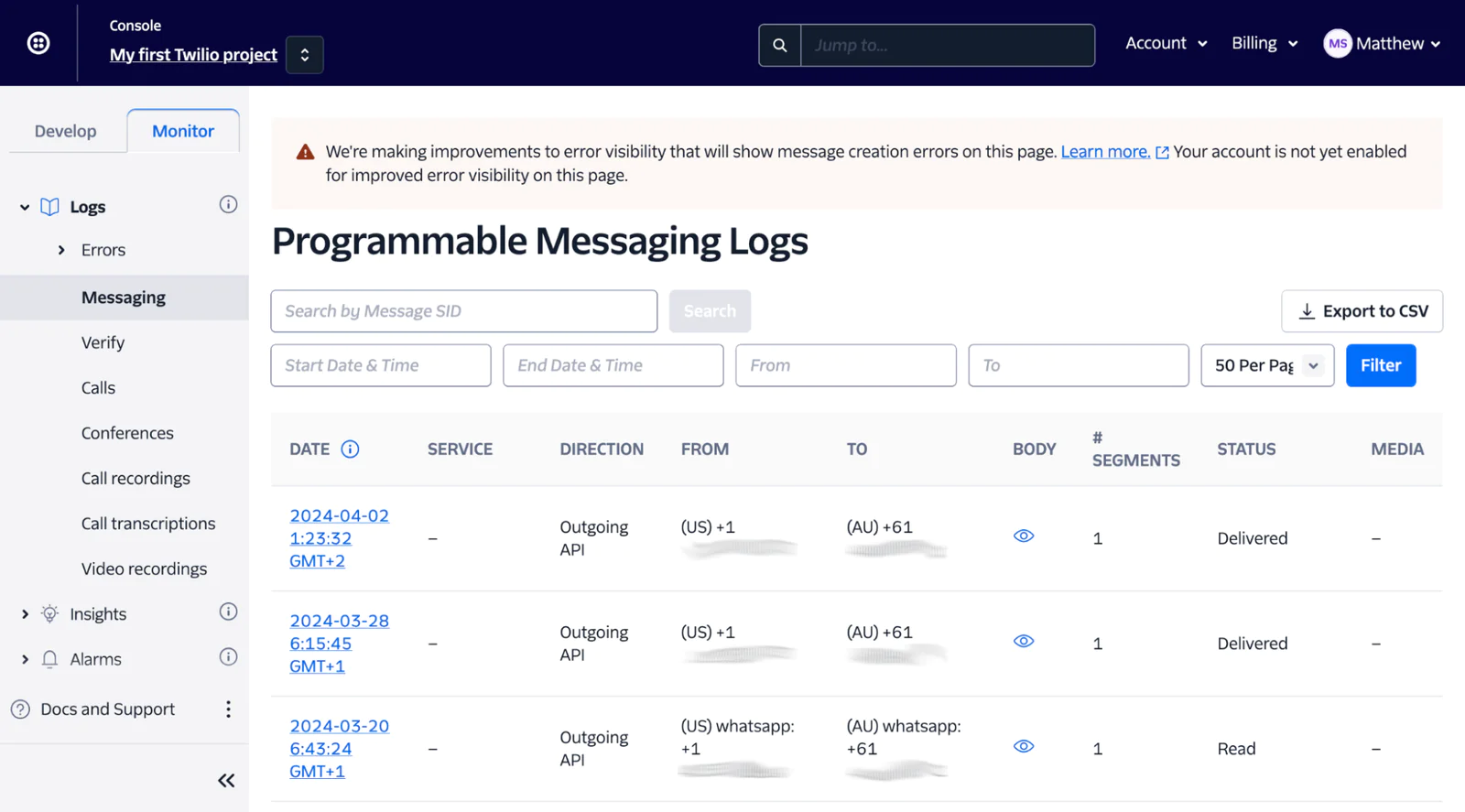
Consider a product that sends alerts from several phone numbers. The current integration specifies a single sender directly, while the team wants native sender selection or scheduling through an eligible Messaging Service configuration. Use that requirement as the basis of the demo. Twilio documents a lead-time window of 15 minutes to 35 days for eligible scheduled messages. Confirm that the chosen sender, message type, and account meet the feature conditions. Check which actions still require your own scheduling or approval system.
When TextGrid competitors claim familiar interfaces, the exact product boundary is more useful than the brand name. TextGrid supports several Twilio-style paths and fields, while Twilio’s own optional products, resource IDs, and callback signatures have separate behaviour. If your application once used Twilio, inspect how its code has changed since. A return to Twilio can still need callback, account, sender, and application updates.
Twilio offers a 30-day free trial with product-specific limits. Use it for a low-risk SMS test with permitted recipients. Plan to validate the final sender and approved route in an appropriate account before a production move. Include the cost of sequence handling, logging, managed features, and support when comparing with a lower base-price service.
Pilot goal. Run one existing message flow through its required Twilio feature. Simulate a reply, a failed send, and a retry after a timeout. Ask an engineer to explain whether the new behaviour is owned by the application or by Twilio, and ask support to locate the resulting records.
4. Plivo for Developer-Led SMS and MMS
Best for a technical team of roughly two to 35 people looking for a programmable SMS and MMS platform with published US sender rates. Among TextGrid alternatives, Plivo is a useful option when your app owns templates, schedules, and customer state. Its US rate card lists US$0.0077 for long-code SMS in either direction before applicable carrier charges.
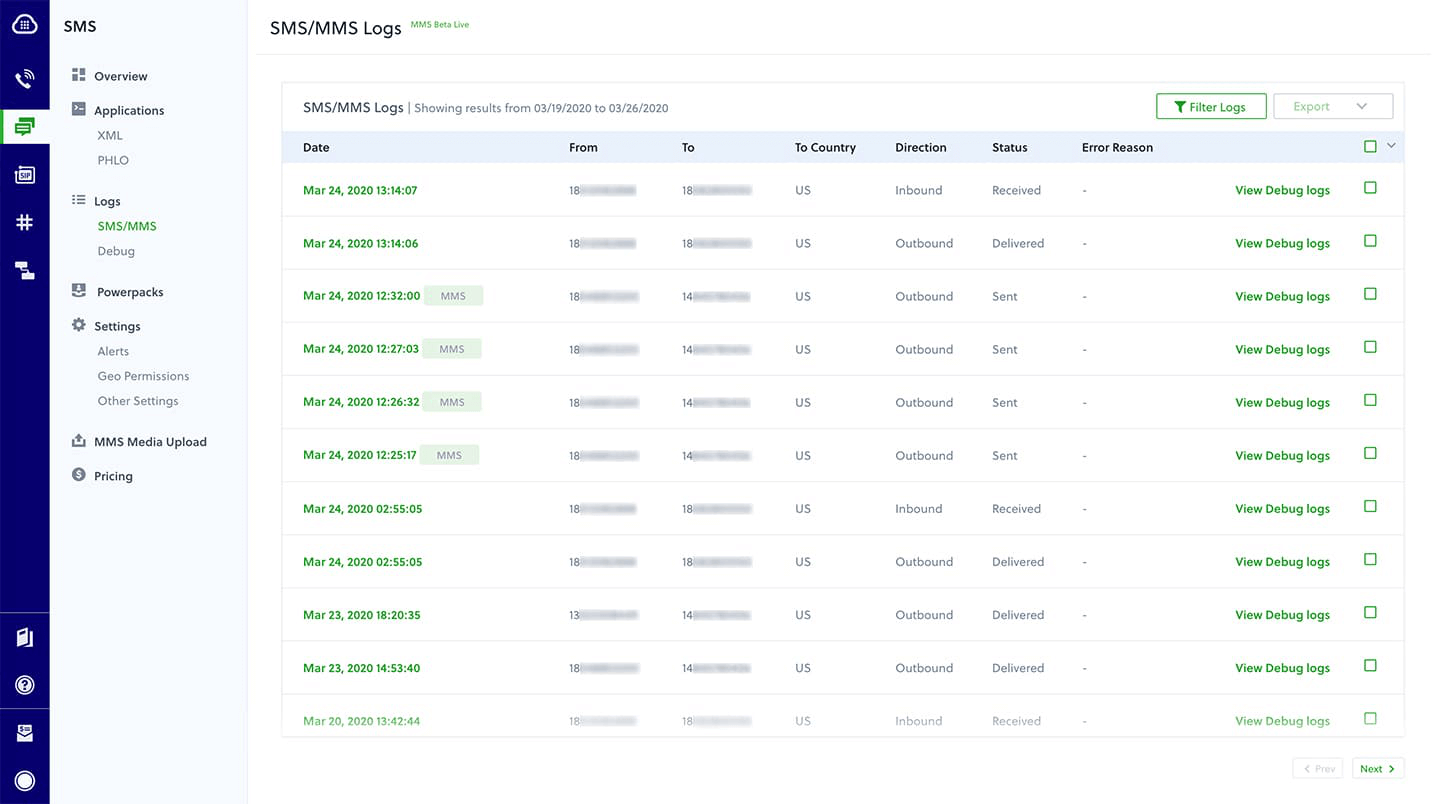
For a logistics app, a delay might cause a status update followed by a customer reply. Test that sequence using a known delivery ID. Ask whether a second internal update should produce another text or be combined with the first. Verify which application component makes that decision. A second provider should integrate with that logic, while keeping message states and support records visible.
Compare Plivo with TextGrid competitors on the actual number setup. The published US page lists different rates for toll-free and for MMS. Buy or quote the right sender for the specific customer journey, including whether voice must remain with the same number. Confirm the role required for registration, the commercial term, and how long it takes a test environment to become suitable for the actual pilot.
During a migration, separate send failures that require human attention from requests the application can safely repeat. Use a message ID and an internal order reference to match the two systems. Ask an operator to trace an alert without reading the entire payload. If the business needs a shared inbox or a self-service scheduling interface, include that in the total scope.
Pilot goal. Use one short SMS and one MMS with a permitted recipient. Check the submission, provider logs, device result, and billing records. Run an inbound reply through the intended support workflow. Plivo documents a credit-based free trial account for testing, with account limits to confirm.
5. Bandwidth for Larger US Messaging Programmes
Best for a platform or communications team that needs higher-volume US messaging, a formal onboarding discussion, and control over an inventory of numbers. Bandwidth joins the TextGrid alternatives when a business wants to quote a managed commercial arrangement and build a direct API integration. Its messaging site shows a sample US$0.0040 outbound message rate and explicitly treats the illustration as an estimate. Get a quote for your route and programme.
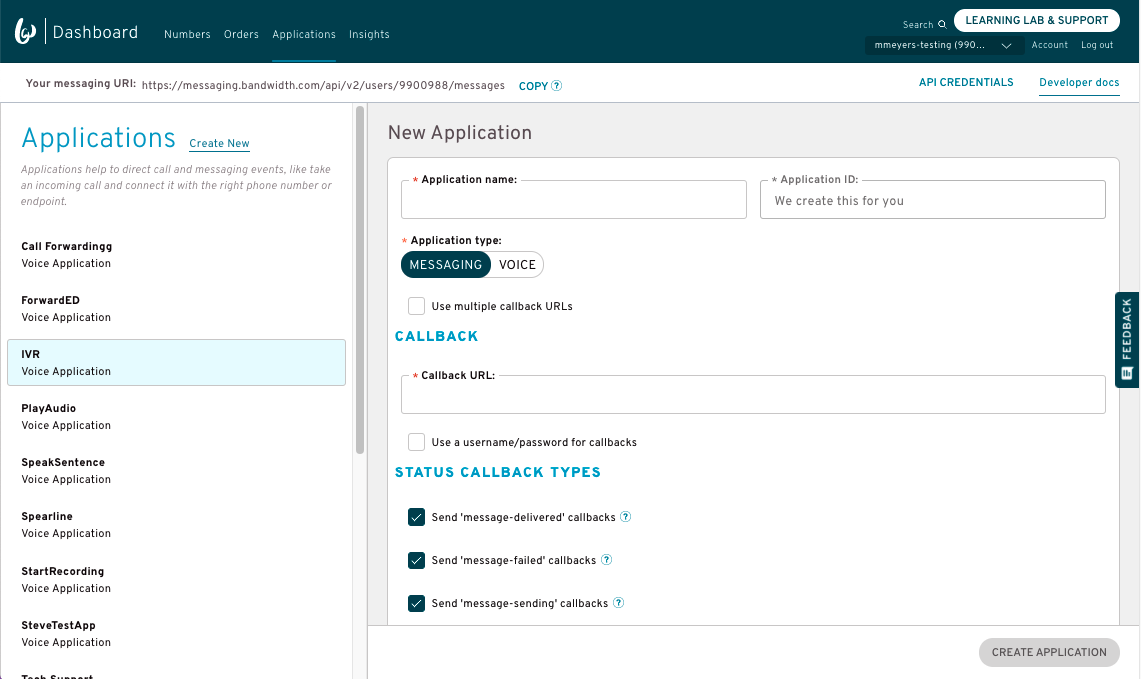
Pick an application that can describe its volume by sender and time. A property platform may have a high daily total with a concentrated burst when appointment reminders are released. Ask Bandwidth and the other TextGrid competitors to model that burst using one-hour windows and your expected carrier mix. Check how queues handle spikes, which limits apply by sender or account, and which events show that traffic started to back up.
A larger migration also needs people who can approve and operate each stage. Assign a number owner, registration owner, application owner, and carrier escalation contact. Get the proposed terms for account support and reporting. Ask who sees the details when a sender is waiting for approval, and who can match a carrier escalation to your application’s message ID. Formal ownership matters when several business units share one account.
If Bandwidth’s voice APIs are part of the purchase, price and pilot voice separately. Holding a number in one platform may simplify administration, but a move can still change call routing, the party responsible for a port, or what staff can see in the dashboard. Get both the messaging and voice owners to approve the rollout plan.
Pilot goal. Test one representative sender and the main inbound event. Ask for a quote that lists number rental, recurring campaign fees, carrier fees, and any support charge. Compare the invoice format with the usage distribution you plan to track after launch.
6. Sinch for SMS APIs and Regional Routing
Best for a company with several product teams or a regional messaging programme that needs to compare sending identities by market. Sinch is among the TextGrid alternatives worth testing if a company needs programmable messaging in multiple countries or a wider communications portfolio. Evaluate the developer SMS API. Sinch Engage is a separate business messaging platform with its own commercial terms.

Sinch’s public SMS pricing shows US$0.0078 base SMS on applicable US routes, with carrier fees. Other routes may have different rates and sender conditions. Request the tariff for each intended market. The jurisdiction where your employees sit, the country where your sender is registered, and the location of your message recipients can each affect setup, even when the endpoint accepts the request.
When comparing TextGrid competitors for regional routes, group senders by what customers can do after reading the message. A sender name can suit a one-way update in a supported market, while contacts who need to reply may require an eligible numeric sender. Ask how the same use case would be configured in each country and whether the invoice splits registration, messaging, and received replies by region.
Have support trace a delivery issue near the moment of change. An employee should be able to identify the sender and destination without assuming the route from the customer’s language or the brand name. Ask how routing changes are communicated and whether your application can distinguish invoices across products or countries. Make sure the right team receives the provider’s notice if a route becomes unavailable.
Pilot goal. Use one US sender and a supported non-US sender if international reach is the reason for switching. Test the appropriate reply behaviour in each place. Compare delivery status, provider logging, and how the business can identify which route generated the bill.
7. Vonage Communications APIs for SMS and Additional Channels
Best for a development team of roughly five to 50 people that expects SMS alongside channels such as WhatsApp or RCS, or that already uses another Vonage API. Vonage is one of the TextGrid alternatives to consider if platform consolidation will reduce application work. Its SMS API and Messages API have different endpoints and commercial scope. Price the product your team plans to use.

Suppose a customer service app needs to send a delivery alert and keep the interaction connected with a later conversation. Decide which channel starts the message and whether a customer can reply using that same channel. Ask to see the outbound event, delivery notification, and inbound message enter the same customer timeline. Record which events your own software will reconcile.
Ask Vonage and other TextGrid competitors to quote the target recipient country, sender type, direction, and channel. Vonage’s US SMS pricing documentation identifies the potential for additional carrier fees on US long-code messages. A published SMS rate may be useful for one workflow, while WhatsApp, RCS, and account capabilities depend on a separate price and approval path. Confirm each with the same usage forecast.
Developers can evaluate some features using a Vonage demo-mode account and test credit. Scope that evaluation to permitted recipients and trial features. Plan an additional test for the production sender and specific channel. If the integration spans two products, specify whether the finance team will see one consolidated bill and whether support can trace a customer journey across both.
Pilot goal. Use one transaction with a successful SMS send and an inbound reply. If an additional channel is a purchasing requirement, include its approval workflow and measure how records appear on the customer timeline. Test what your app does when a channel is temporarily unavailable.
How to Shortlist TextGrid Competitors by Workload
TextGrid Alternatives for US Notifications and Replies
Start with Signal House and Telnyx for API-led US messaging, then add Plivo or Bandwidth according to the team’s operational requirements. If you already know the sender type, request a written quote for that route and its carrier fees. Use one real template and a known reply in a relevant test account. Ask whether the provider can deliver to your approved recipients with the same sender and make the reply available to the relevant application.
Compare how TextGrid competitors handle voice if an existing phone number also receives calls. Determine which services can move through which documented process. Ask who approves the transfer, when it becomes effective, and which routes need to stay active during the transition. A lower SMS rate may be outweighed by a separate voice project if the same published number carries both.
TextGrid Alternatives for Twilio-Style Application Dependencies
Start with Twilio if you need a native Twilio product, feature, or integration. Compare the other providers based on the app’s required operations rather than the way the endpoint is named. Build a list of request and event types. Include sender choice, media events, lookup, outgoing voice where required, return messages, and exceptions. Ask the TextGrid competitors on your shortlist to name the API and account required for those functions.
Ask TextGrid competitors to show what you can reuse and what needs a clean migration. A caller might be able to send a familiar request and get a similar response while using a different ID and webhook verification process. Create an explicit map for both systems and test it with approved recipients. Record how the organization would return traffic to the old route if the incoming events could not be processed.
TextGrid Competitors for High-Volume or Multi-Market Programmes
Compare Bandwidth, Sinch, and Vonage if volume, regional availability, or channel choice is the main buying constraint. Telnyx, Signal House, Plivo, and Twilio are also candidates where their exact routes match the quote. Bring recipients by destination and by message type, including replies, multimedia, and any seasonal increase, so vendors can estimate the right total.
Check where support is available for the actual production routes. Ask TextGrid alternatives to describe escalation when a particular carrier rejects several messages, and show where the team can inspect the event. Include employees in different time zones if they run the service. Make sure the quote includes any support service the company expects after the migration.
How to Compare the Total Cost of TextGrid Alternatives
Model outbound segments and incoming segments separately, then add carrier fees, number rental, registration, MMS, and any support or engineering cost. Ask TextGrid alternatives whether the published volume tier applies to all segments in a billing period or only to some. Get the policy in writing if a tier threshold would change the outcome. Give shortlisted TextGrid competitors the same traffic file so you can compare similar route assumptions.
| Cost Driver | Question for TextGrid Competitors | What to Record |
|---|---|---|
| SMS segments | How does billing treat Unicode or multipart media fallback? | Expected parts from the actual templates and listed rates. |
| Carrier charges | What changes with sender type or destination carrier? | Separate inbound and outbound fees for the intended route. |
| Numbers and registrations | Can existing numbers and approvals stay in use? | Port, number rental, and campaign or verification fees. |
| Usage tiers | Does a lower tier apply once a threshold is reached? | Threshold, rate calculation, and volume commitment. |
| Other products | Does the quote include voice, regional channels, or support? | Product, included services, and separately billed items. |
For illustration, take 100,000 outbound US segments before fees. At TextGrid’s published standard base rate of US$0.0035, the provider charge is US$350. At Telnyx’s US$0.004 US long-code base rate, it is US$400. If both scenarios had a hypothetical US$0.0045 average carrier charge, the outbound totals would be US$800 and US$850, respectively. Real carrier fees can differ by route, direction, or provider billing, so use this as a formula when comparing TextGrid competitors.
An SMS can contain up to 160 standard GSM characters in a single segment. A Unicode message can have a smaller limit, and multipart messages use some capacity to carry linking information. Check the entire template as sent, including customer names, links, and any final text appended by the sending system. Ask each provider how to forecast parts and how the usage export confirms the actual unit billed.
When choosing between TextGrid alternatives, allow for people as well as traffic. A vendor whose required maintenance takes several hours each week may cost more overall for your team. Identify who will update templates, watch for failed callbacks, reconcile usage, apply opt-outs, and maintain integration permissions. Include the first-year migration and the likely steady-state cost in two rows so the business can see both.
How to Pilot TextGrid Competitors Before You Move Traffic
Build an API and Event Checklist for TextGrid Alternatives
Map existing requests to replacement endpoints and create test cases for each message type and direction. Use approved test recipients and generate normal and failure cases using provider-approved methods. Compare sender identity, rate limits, message ID preservation across services, and callback verification. A successful API response can confirm the provider accepted the request. Use a separate delivery event and device check when you need to confirm receipt.
Have an engineer make the same controlled request through two TextGrid alternatives. Ask the engineer to identify what should happen if the application times out before receiving the response. Keep a record of the original user action and which provider accepted it, so a fallback can avoid duplicating the message. Record how cases that remain unresolved will be reviewed by support.
Confirm Sender Registration, Number Ownership, and Opt-Outs
For US business messaging, check which registration or verification workflow each proposed sender type needs. Ask the incoming provider who will own the campaign and what information it needs, including business identity, use case, and sample message details. If an old number also handles voice, confirm the effect of a messaging change with both providers. Store approved changes in the migration record.
Ask TextGrid competitors how they receive opt-outs, where they store them, and how your app should interpret them across the sender and campaign you plan to use. Take one approved test recipient through the ordinary unsubscribe flow and check the provider and your own suppression records. If multiple products can send to the same customer, ask the designated owner to verify how they share or apply that preference according to your requirements.
Measure Delivery and Reconcile a Sample Invoice
Give TextGrid alternatives a small benchmark with expected outcomes. Send messages at a test volume and pattern appropriate to the sender and your agreement. Record whether the handset shows the expected sender, whether a reply appears in the business system, and how long the status takes to reach staff. Look at which events are reported per message, per part, or per callback. Use the definitions on both sides when reading the report.
Have finance compare a test export with predicted outbound, inbound, and carrier charges. Include a long message and one media message if those are part of production. Ask TextGrid competitors to explain discrepancies in destination, message length, or billing period. If finance can match the test invoice while support can find the same messages in the event log, you have a repeatable check for the first production week.
How to Move to TextGrid Alternatives in Stages
- Map the existing setup. Identify senders, templates, app integrations, permissions, reply routes, suppressions, and billing owners. Capture which work is tied to a provider-specific API or portal.
- Approve the new sender. Get port or eligibility confirmations. Before choosing from TextGrid alternatives, verify both the inbound and outbound paths and any registration dependency.
- Start a small parallel pilot. Route a low-risk approved workflow to the new provider and keep the original setup available. Give TextGrid competitors the same acceptance tests for delivery, reply handling, and operational visibility.
- Watch the first production batch. Compare the application’s expected send count with provider logs, statuses, customer replies, and billed units. Confirm that customer opt-outs are applied at the correct points.
- Retire old traffic after sign-off. Export allowed records and keep relevant historical identifiers. Close old connections and check final recurring charges after proving the new setup.
Ahead of cutover, name the person who can pause a send or revert configuration and say what event triggers that action. If a number has already moved, agree a viable interim path for new messages and replies because reversing a transfer may take time. Notify staff which reports and escalation contacts to use in the interim.
Keep an Audit Trail Across the Cutover
Export the identifiers and delivery history your team is allowed to retain before the old account changes. For TextGrid alternatives that use a different order or structure for events, keep the original provider name and time of the accepted send on the internal record. Support may receive a customer reply after the route changes and need to explain why it appears in a different system. Test that handoff before retiring access to the old dashboard.
Compare how TextGrid competitors allow you to separate employee access from application access. After a test, remove the temporary permissions from the staff accounts and confirm the production integration still works. Have the operations team list which alerts it needs for rejected sends, unexpected status volume, or a callback queue that stops updating. A low-risk rollout keeps both the engineering record and the operations checklist consistent.
Compare Scheduling and Cancellation Across TextGrid Competitors
Before switching a scheduled or delayed job, decide which service is responsible for its outstanding messages. Have the team identify a future send under the old configuration and confirm whether it should remain in place, be rescheduled, or be cancelled. Test the customer experience if an order changes between scheduling and delivery. Ask TextGrid alternatives to show the status an operator will see at each step, including whether the send can still be stopped. Set the same review process for texts triggered outside the application, such as imported schedules or a CRM automation.
Frequently Asked Questions
What Are the Best TextGrid Alternatives for US SMS?
Signal House and Telnyx are strong options for US messaging APIs. Compare Plivo for developer-led SMS and MMS, or Bandwidth for larger deployments. Ask for the same sender type, carrier costs, and usage inputs in each quote.
Which TextGrid Competitors Use a Twilio-Compatible API?
TextGrid itself documents compatibility with supported Twilio operations. For a replacement, start with Twilio if you need a native Twilio feature. For another provider, verify every endpoint, request field, resource ID, and callback format your application depends on.
Are TextGrid Alternatives Cheaper Than TextGrid?
It depends on total route cost. TextGrid’s published base rate is US$0.0035 per outbound US segment at standard volume, before carrier fees. Compare the actual sender rates, volumes, rented numbers, inbound fees, and registration charges in each offer.
Which TextGrid Competitors Fit International Messaging?
Sinch, Vonage, and Twilio are good starting points for evaluating multiple countries or channels. Ask for the local sender types, reply support, permitted use, approved markets, carrier charges, and fee structure for the exact countries you serve.
Can I Keep My Number With TextGrid Alternatives?
Possibly. Ask the gaining provider to confirm the exact number and whether it supports a messaging-only change or a full port. Check what happens to voice and whether campaign or toll-free approval must be completed again.
Do TextGrid Competitors Support Scheduled Messages?
Some providers offer scheduling for specific products and sender configurations. Twilio is worth testing if scheduling through an eligible Messaging Service is required. The other approach is to keep scheduling in your own application and use the API for immediate sends.
When Should I Keep TextGrid?
Keep TextGrid if it supplies the routes and operations you need at a predictable cost. Compare TextGrid alternatives when a concrete requirement such as native scheduling, another carrier route, or different registration support makes a pilot worthwhile.
Which TextGrid Alternatives Should You Test First?
Start with Signal House and Telnyx for US SMS with sender and usage control. Choose Twilio when a specific native feature is required. Add Plivo for a developer-led comparison. Quote Bandwidth, Sinch, or Vonage when scale or regional scope is a deciding factor.
Run the same tests with the TextGrid competitors you shortlist. A usable replacement should meet one concrete need, show the operational steps around delivery and replies, and give finance enough information to check the cost from a sample invoice.
What Customers Report About TextGrid Competitors
Signal House on G2 · 5/5, November 20, 2026. A reviewer using GoHighLevel said support helped them connect a US number while working outside the US. They also found initial verification confusing. Ask who will guide your team through sender setup and who follows up if information is missing.
Bandwidth on G2 · 4.5/5, February 3, 2026. A reviewer praised the account manager and RCS team, while finding the support-ticket workflow difficult to use. Ask a colleague to open and follow a sample messaging case before committing to a support arrangement.
Affiliate Disclosure. VoIPCalling may earn a commission through partner links. Signal House credit is subject to its eligibility and activation terms.