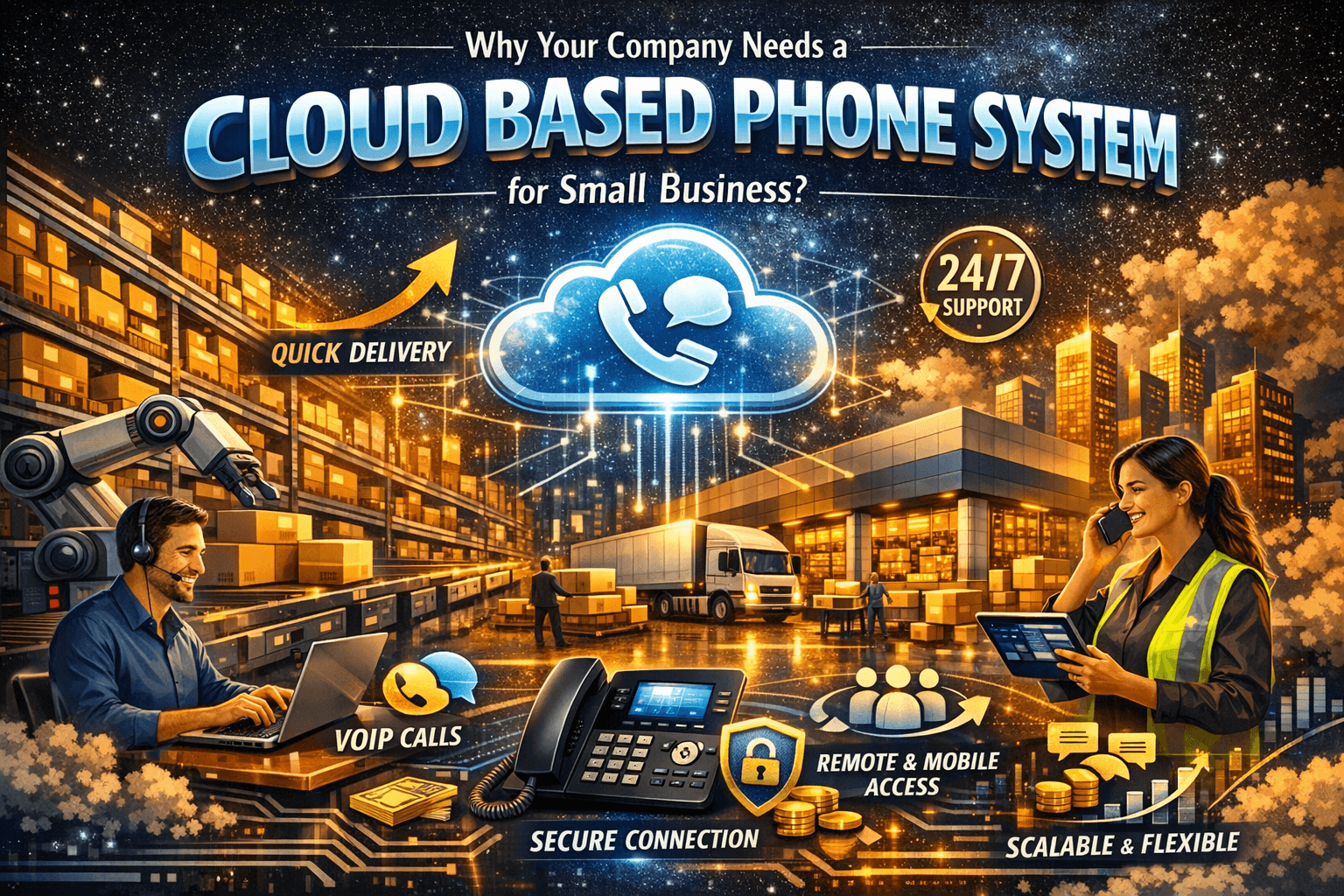
A cloud based phone system for small business is a communication platform that routes calls through the internet instead of traditional physical hardware like landlines or copper wires. By using a cloud based phone system, organizations can host their entire communication infrastructure on remote servers managed by a third-party provider. This technology converts voice signals into digital data packets, allowing employees to access their business phone lines from any location using smartphones, laptops, or desktop computers. Small businesses often adopt these systems to gain access to enterprise-level features such as automated receptionists and video conferencing without requiring significant upfront capital investments.
Understanding the Mechanics of a Cloud Based Phone System
The fundamental technology behind a cloud phone system relies on Voice over Internet Protocol, which is frequently referred to as cloud voip. Unlike legacy systems that require a physical private branch exchange located within an office building, a cloud based business phone system exists in a virtual environment. When a user makes a call, the voice signal is digitized and transmitted across the internet to the service provider. The provider then handles the routing to the recipient, whether they are using another digital line or a traditional telephone network. This setup eliminates the need for expensive hardware maintenance and physical wiring throughout an office space.
Managing a cloud based pbx phone system is typically done through an online dashboard or a web-based portal. This allows administrators to add new users, change extension numbers, or update call routing rules in real time without needing a technician on-site. The flexibility of cloud phone systems means that as a business grows, the communication infrastructure can expand instantaneously. This scalability is a primary reason why modern enterprises are moving away from on-premise solutions in favor of more agile cloud telephony solutions that adapt to changing market conditions.
Security and reliability are central components of a professional cloud based phone service. Most reputable cloud voip providers host their software in geo-redundant data centers. This means that if one server location experiences an outage, your calls are automatically rerouted to another data center to ensure continuous uptime. Additionally, these systems often include advanced encryption protocols to protect sensitive business conversations from external threats. By hosting the phone system in the cloud, businesses can leverage the high-level security measures and maintenance standards that only large-scale data centers can provide.
Major Advantages of a Cloud Based Phone System for Small Business
One of the most significant benefits of implementing a cloud based phone system for small business is the drastic reduction in operational and capital expenses. Traditional landline setups require heavy investments in hardware, installation fees, and ongoing maintenance contracts with local phone companies. In contrast, cloud phone services operate on a subscription-based model where you only pay for the number of lines or features you actually use. This predictable monthly cost helps small organizations manage their budgets more effectively while avoiding the hidden fees often associated with legacy telephony infrastructure.
Another critical advantage is the support for remote and hybrid work environments through a business cloud phone system. In the modern economy, employees are no longer tied to a single desk or office location. Because the communication software is hosted online, staff members can take their office extensions with them wherever they go. Whether an employee is working from home, a coffee shop, or traveling internationally, they can make professional calls that display the company’s caller ID. This mobility ensures that customer service remains consistent and team collaboration is never interrupted by physical distance.
-
Improved scalability allows businesses to add or remove users with a few clicks in an administrative portal. This is particularly useful for seasonal businesses that may need to increase their staff capacity during peak months and scale back during slower periods without being locked into long-term hardware contracts.
-
Access to advanced features such as interactive voice response, call recording, and voicemail-to-email transcription comes standard with most hosted voip solutions. These tools were once only available to large corporations with massive budgets, but now small businesses can project a more professional image to their clients.
-
Integration with other business tools is a hallmark of the best cloud phone system options. These platforms can often sync with customer relationship management software, help desk tools, and productivity suites like Microsoft 365 or Google Workspace. This ensures that caller data is automatically logged and accessible to the team.
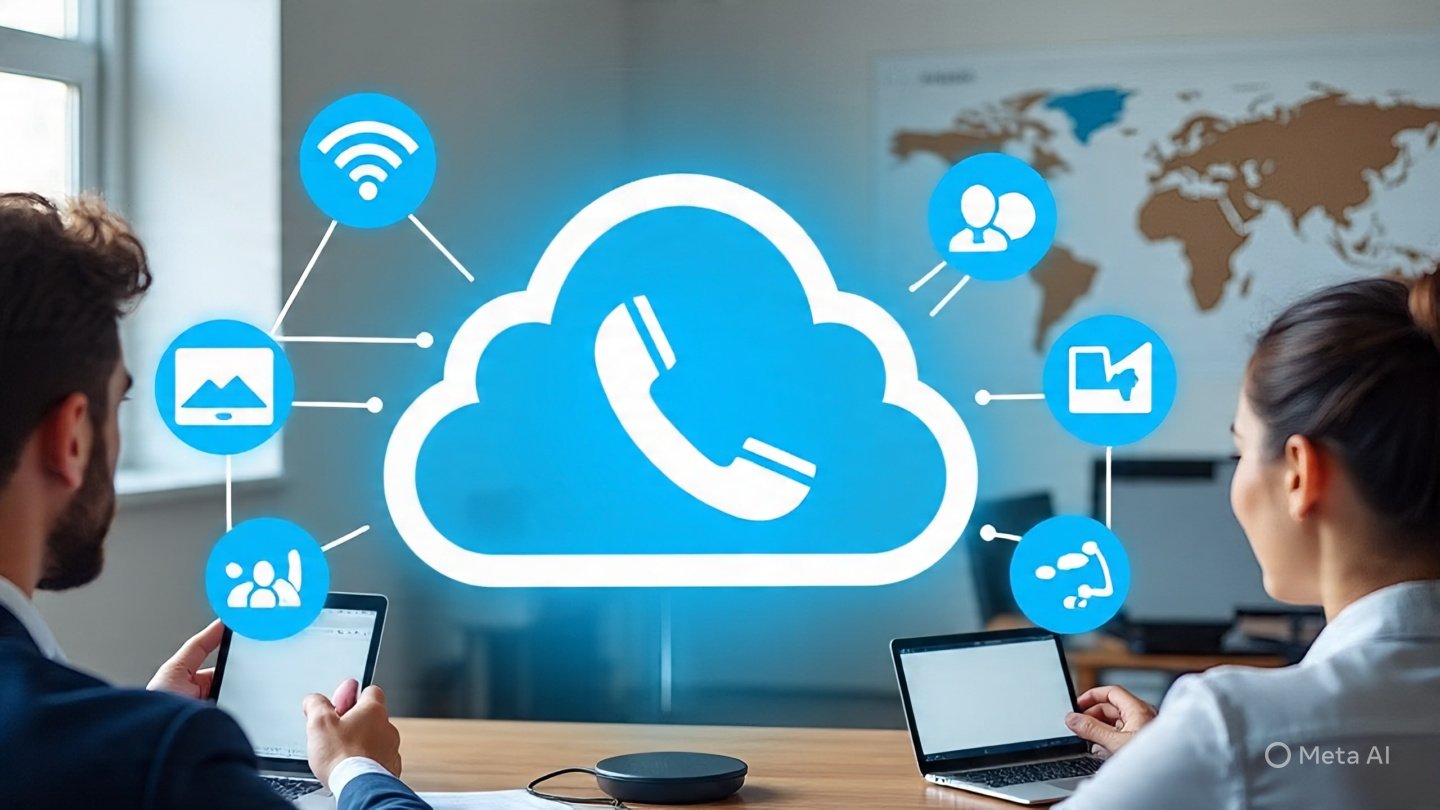
Exploring Cloud Based Phone System Drawbacks
While the transition to a cloud based voip system offers numerous benefits, there are certain challenges that organizations must consider before making the switch. The most prominent dependency of any cloud hosted voip systems is the quality and stability of the internet connection. Since voice data is transmitted over the web, any fluctuations in bandwidth or network congestion can lead to poor call quality, dropped calls, or jitter. Businesses located in areas with unreliable internet service may find it difficult to maintain the high standards of communication required for professional client interactions.
Another consideration involves the initial learning curve for employees who are accustomed to traditional desk phones. A phone system in the cloud often introduces new interfaces, mobile applications, and software-based controls that might require a brief period of training. While the interfaces are generally designed to be intuitive, older staff members or those less comfortable with technology may need extra support during the transition. Additionally, because the system is managed by an external provider, the business loses some granular control over the physical infrastructure, meaning they must rely on the provider’s support team for major troubleshooting.
Security concerns regarding voip in the cloud are also a point of discussion for many business owners. Even though providers use high-level encryption, transmitting voice data over the public internet theoretically opens up more entry points for cyber threats compared to a closed copper-wire loop. However, most modern cloud based telephone system providers mitigate these risks by implementing multi-factor authentication, regular security audits, and advanced firewalls. It is essential for a business to vet their chosen provider’s security protocols to ensure that company and customer data remains protected at all times.
Key Features to Look for in a Cloud Phone System
When evaluating various cloud phone system providers, it is important to look beyond just the basic calling capabilities. A comprehensive cloud based telephone service should offer a suite of collaboration tools that enhance productivity. For instance, many platforms now include native video conferencing and team messaging features, allowing teams to communicate through multiple channels within a single application. This unified communications approach reduces the need for multiple software subscriptions and streamlines the workflow for employees who need to switch between voice and text communication.
Another vital feature is the ability to manage call flows through a sophisticated auto-attendant or virtual receptionist. This feature allows a cloud business phone system to greet callers with a professional recording and offer a menu of options to direct them to the correct department. This not only improves the customer experience by reducing wait times but also allows small teams to manage high volumes of calls more efficiently. Additionally, features like call queuing and ring groups ensure that incoming inquiries are distributed evenly among available staff members, preventing any single individual from becoming overwhelmed.
-
Global reach and international numbers allow businesses to establish a local presence in different regions without having physical offices there. By using cloud based phone systems, a company in one country can purchase a local number in another, making it easier and cheaper for international clients to get in touch.
-
Detailed analytics and reporting tools provide managers with insights into call volumes, peak calling times, and employee performance. These data points are essential for making informed decisions about staffing levels and identifying areas where customer service can be improved.
-
Emergency service compatibility, often called E911, is a crucial safety feature. Modern cloud based business phone systems are designed to transmit the user’s physical location to emergency responders even when calling from a digital line, ensuring that help can be dispatched accurately during an urgent situation.
Tips For Moving Your Phone Service To The Cloud
Transitioning your existing infrastructure to a cloud based voip system requires careful planning to ensure a smooth migration. The first step should always be an audit of your current internet bandwidth. Since your voice traffic will now share the same connection as your data traffic, you must ensure that your network can handle the additional load. Many businesses choose to implement Quality of Service settings on their routers, which prioritizes voice traffic over other types of data to prevent call quality degradation during periods of high internet usage.
The second tip is to decide whether you want to use physical hardware or rely entirely on softphones. A cloud based phone system for small business is versatile enough to work with specialized IP phones that look like traditional desk phones, or it can function through apps installed on existing computers and mobile devices. If your team prefers the feel of a physical handset, you may need to purchase new hardware that is compatible with your chosen cloud provider. Alternatively, using softphones can save money on hardware and is often the preferred choice for mobile workforces.
Finally, consider the process of porting your existing phone numbers to the new cloud phone system. Maintaining the same business phone numbers is vital for brand consistency and ensuring that long-term clients can still reach you. Most cloud phone service providers have a dedicated porting team that handles the legal and technical requirements of transferring numbers from your old carrier. It is advisable to start this process early, as it can sometimes take several days or even weeks to complete, depending on the cooperation of your previous service provider.
Research and Facts Regarding Cloud Communication
Recent industry data highlights the rapid shift toward internet-based communication.
According to research conducted by Grand View Research, the global market for cloud based phone systems is projected to experience a compound annual growth rate of over 13% through the next decade.
This growth is largely driven by the increasing demand for flexible work arrangements and the digital transformation of small and medium-sized enterprises. As traditional telephone companies begin to phase out old copper-wire networks, the transition to the cloud is becoming a necessity rather than an optional upgrade for many businesses.
Further supporting this trend, a study by Deloitte revealed that companies moving to hosted voip solutions often see an immediate reduction in their communication costs by 30% to 50%. This is attributed to the elimination of maintenance fees for on-site hardware and the lower rates for long-distance and international calling offered by cloud providers. Furthermore, businesses reported a significant increase in productivity, as employees could access their communication tools more easily while working remotely. These statistics underscore the financial and operational logic behind adopting a cloud based phone system in the modern competitive landscape.
How to Choose the Best Cloud Phone System
Selecting the best cloud phone system involves comparing the specific needs of your business with the offerings of various cloud voip providers. You should start by listing the “must-have” features, such as call recording for compliance or integration with your specific CRM software. Not all providers offer the same level of integration, so verifying compatibility is a crucial step. It is also wise to read reviews and seek testimonials from other small business owners who have used the service to gauge the quality of their customer support and overall system reliability.
Price is always a factor, but it should not be the only consideration when choosing a cloud business phone. Some providers may offer a very low base price but charge extra for essential features like mobile apps or voicemail-to-text. Always look for a transparent pricing structure that includes the tools your team needs to function effectively. Additionally, check for the provider’s uptime guarantee; most top-tier services offer a 99.999% uptime service level agreement, which is essential for maintaining professional availability to your clients and partners.
Read More: What is Cloud Calling? A Complete Guide to Cloud Telephony
Final Thought
Transitioning to a cloud based phone system for small business represents a strategic move toward modernity, efficiency, and cost-effectiveness. By moving away from the constraints of traditional hardware, organizations can empower their teams with flexible communication tools that work from anywhere in the world. While there are considerations regarding internet stability and initial setup, the long-term benefits of scalability and advanced features far outweigh the challenges. As the business world continues to embrace digital solutions, a cloud based phone system stands as a foundational component for any company looking to grow and succeed in an increasingly connected global marketplace.
Frequently Asked Questions
-
What are cloud-based phone systems?
A cloud based phone system is a virtual telephone network that uses the internet to transmit voice data instead of physical landlines. It is hosted in a secure, remote data center by a service provider, allowing businesses to manage their calls through software rather than on-site hardware. This system provides all the standard features of a traditional office phone but adds the flexibility of being accessible from any location with an internet connection.
-
What is the best cloud-based phone system?
The best cloud based phone system depends on the specific requirements of your business, such as the number of users and the need for specific integrations. Popular providers often cited for their reliability and feature sets include RingCentral, Nextiva, and Dialpad. Small businesses should look for a provider that offers a balance of affordable pricing, excellent customer support, and a user-friendly interface that fits their daily workflow.
-
What is a cloud phone used for?
A cloud phone is used to make and receive business calls, host video conferences, and send text messages using an internet connection. It allows employees to use their business identity on various devices, such as a desktop computer, a dedicated IP desk phone, or a mobile app. It is especially useful for managing professional communication in remote work environments and providing automated customer service menus.
-
What is a cloud-based device?
In the context of communication, a cloud-based device is any hardware or software interface that connects to a cloud service to perform its functions. This could include a specialized IP desk phone that plugs into an internet router or a softphone application installed on a tablet or laptop. These devices rely on the cloud for their intelligence and features rather than having the processing power and software stored locally on the physical unit.
-
How does a cloud phone system handle power outages?
If an office experiences a power outage, a cloud based phone system continues to function because the actual server is hosted in a secure data center with its own backup power. Employees can simply switch to using the mobile app on their smartphones or move to a different location with power and internet. This ensures that the business never misses important calls even if the physical office building is temporarily inaccessible.