

The best SIPTRUNK.com alternatives depend on whether you need a carrier, a reseller program or a hosted phone system. Start with Signal House if you are keeping the PBX and need a programmable SIP trunk. Compare VoIP.ms for a branded reseller interface and Telnyx for API-managed carrier service and a channel program. If clients want to retire the PBX, start with KrispCall for shared calls or Calilio for department queues.
Which Parts Of SIPTRUNK.com Do You Need To Replace?
SIPTRUNK.com combines business SIP trunks with a dealer program. The trunk connects a phone system to the public telephone network. The program adds dealer provisioning, commission reporting, branded onboarding elements and direct customer billing by SIPTRUNK. These are separate requirements. A carrier can deliver calls and numbers while leaving customer invoicing and support entirely with the reseller.
SIPTRUNK.com lists an unlimited plan at US$24.95 per channel per month. It also lists a scalable bundle starting at US$50 for five direct inward dial numbers and 2,500 minutes, plus separate options for toll-free, fax and texting. Confirm the actual inclusions and rates on your account, especially destination coverage and how forwarded or transferred calls are counted.
The dealer FAQ lists 15% commission on monthly revenue from US$1 to US$9,999 and 18% when the monthly amount exceeds US$10,000. Confirm the exact threshold, eligible revenue, adjustments and payout terms in your agreement. If the current carrier pays the commission and invoices the customer, a new wholesale buy rate alone cannot tell you whether a change will improve your business.
Compare SIPTRUNK.com Alternatives And Competitors
Signal House is the VoIPCalling partner for a trunk-only pilot. KrispCall, Calilio and RingEX are partner options for customers moving to hosted phones. VoIP.ms and Telnyx fill gaps in the master sheet for reseller administration and carrier partner programs. Compare published starting rates with a quote for your destinations and account model. Suggested team sizes are editorial estimates based on workflow.
| Provider | Best Fit | Buying Consideration | Pricing & Trial |
|---|---|---|---|
| SIP Trunks For A Retained PBX | Confirm PBX interoperability, emergency calling and fax before ordering. | Request A Voice QuoteQuote origination, termination, number rental and billing increments.Demo AvailableRequest A Signal House Demo | |
| Shared Calls And Follow-Up | Confirm North American number type, usage and app or device requirements. | US$32/user/monthAdvance, billed annually. US$40 with monthly billing. Up to 50 users. Usage and selected add-ons cost extra.7-Day Free Trial for VoIPCalling CustomersStart a 7-Day KrispCall Free Trial | |
| Menus, Business Hours And Live Supervision | Verify which US numbers and call types qualify for the included allowance. | US$28/user/monthPremium, billed annually. US$35 with monthly billing. Number and usage charges can apply.Demo AvailableRequest a Calilio Demo | |
| An Employee Platform For Calling, Meetings And Chat | US Core is the phone plan benchmark. Verify Canadian terms, desk phone models and integrations. | US$20/user/monthCore, billed annually. US$30 with monthly billing on the US pricing page. Canadian quotes may use different currency.Free Trial AvailableStart A RingEX Free Trial | |
VoIP.ms  | White-Label BYOD Reselling | Confirm who invoices the client, collects payments and handles support. | From US$1.10/month per numberNumber starting price. Inbound and outbound usage are separate.Check Paid Account TermsCheck VoIP.ms Rates |
Telnyx  | API-Managed Carrier And Channel Program | Confirm partner terms separately. G2 rating is for Telnyx CPaaS. | From $0.005/min outboundLocal outbound starting rate. inbound from $0.0032/min. Numbers and additional services cost extra.Verify Pilot TermsCheck Telnyx SIP Rates |




1. Signal House — Best For Programmable SIP Trunks
Suggested Team Size. Roughly 5–100 employees on a retained PBX, or a technical team piloting a trunk per customer. Size each connection by traffic and simultaneous calls.
Signal House documents SIP trunks for an existing PBX, with static IP or registration-based authentication. Its voice profiles can send inbound calls to a trunk or another configured destination. That makes it a candidate for an installer who can keep the PBX and wants to control how incoming numbers reach it. Bring the PBX make, version, hosting model and current authentication settings to the first technical call.
Use a spare number to test one site before transferring any customers. Place inbound and outbound calls and check how the receiving system sees caller ID, DTMF and transfers. Ask what happens when the primary PBX stops responding. A temporary forwarding rule can keep calls reachable, but check how the fallback handles caller identity, voicemail and the cost of the additional call leg.
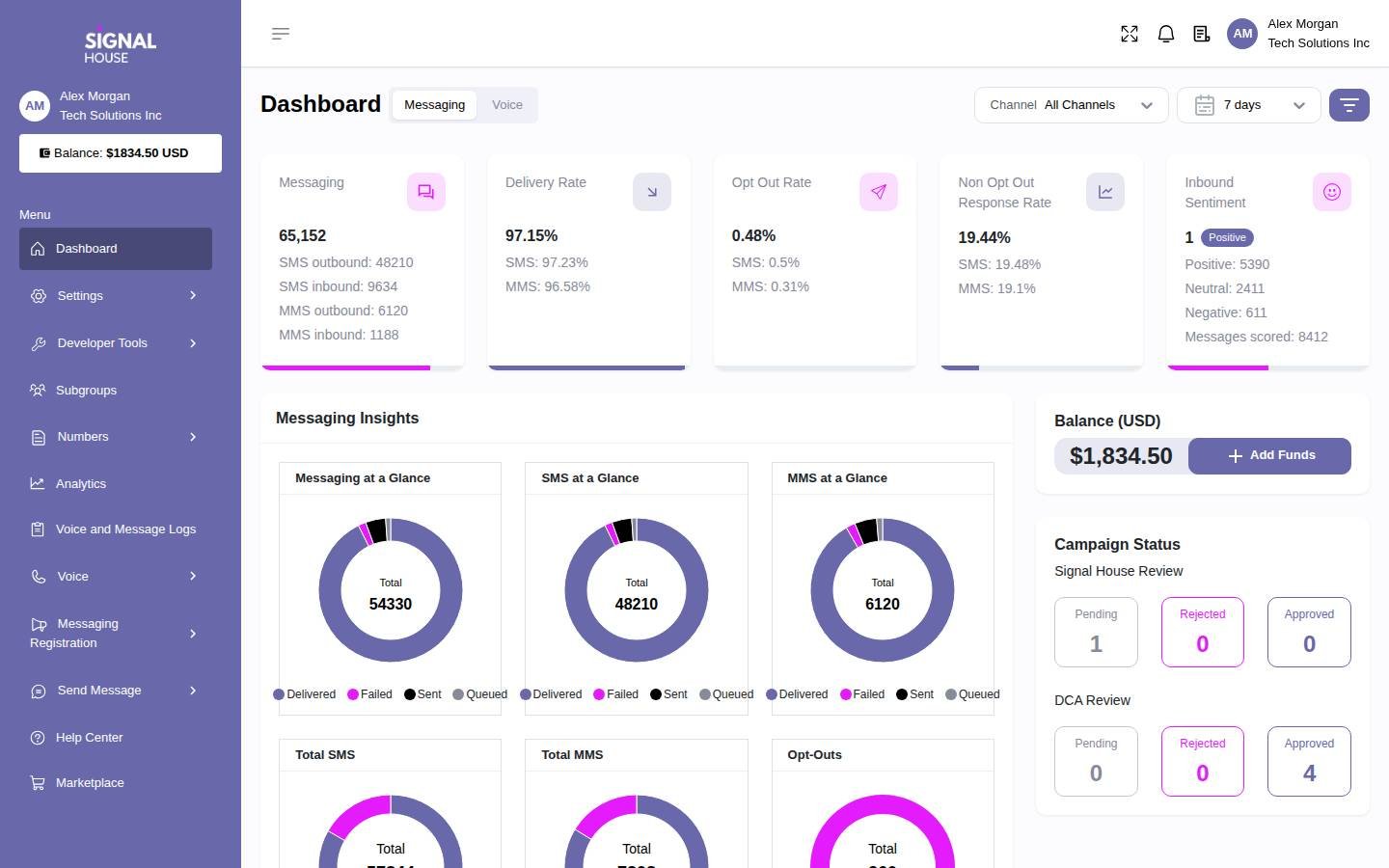
Request a quote for origination, termination, phone numbers and capacity. If you sell to multiple customers, ask whether you can isolate credentials, permissions, call records and spending controls per account. Confirm billing ownership, emergency calling, fax and number eligibility separately. The platform screenshot below shows the broader Signal House workspace.
2. KrispCall — Best For Shared Business Numbers
Suggested Team Size. About 2–20 staff who share a business number and can use an app for calls.
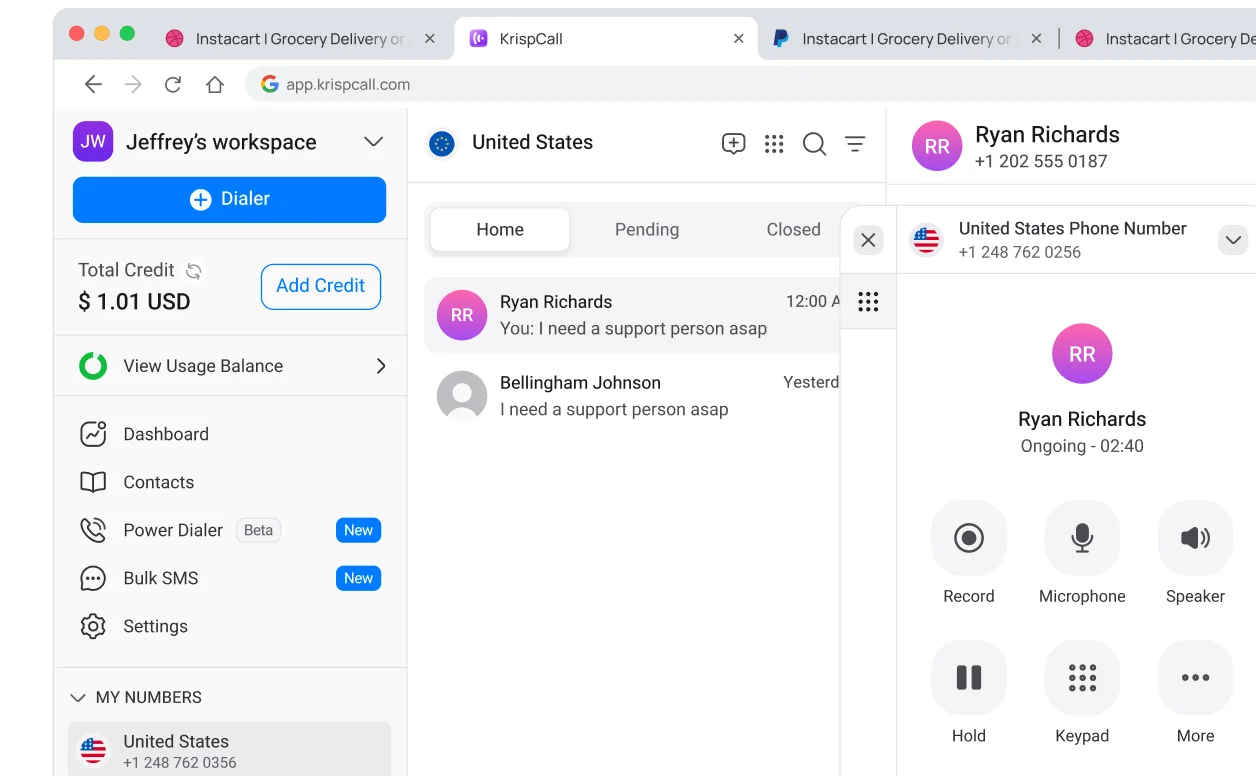
KrispCall is a fit when a customer wants to leave its local PBX behind and share incoming calls and callbacks. The pilot should use a spare number, a daytime route and an after-hours rule. Have a staff member miss a call on mobile. Ask a colleague to identify the unanswered call and return it under the business identity before the next shift.
The Advance plan lists US$32 per user per month on annual billing or US$40 monthly. Confirm the number type, usage and supported devices. Ask who will build the menus and move the numbers if the customer used to rely on a local installer. If a front desk still needs a handset, verify its workflow in the proposed setup rather than relying on the mobile test alone.
VoIPCalling customers can use the exclusive 7-day trial to test the app with a small group. MSPs should scope recurring service work separately. Ask who will administer staff changes, supply training and deal with calls that stop arriving after a schedule change. The trial covers the proposed end-user workflow.
3. Calilio — Best For Department Queues And Supervision
Suggested Team Size. About 5–30 staff moving several department lines to hosted calling.
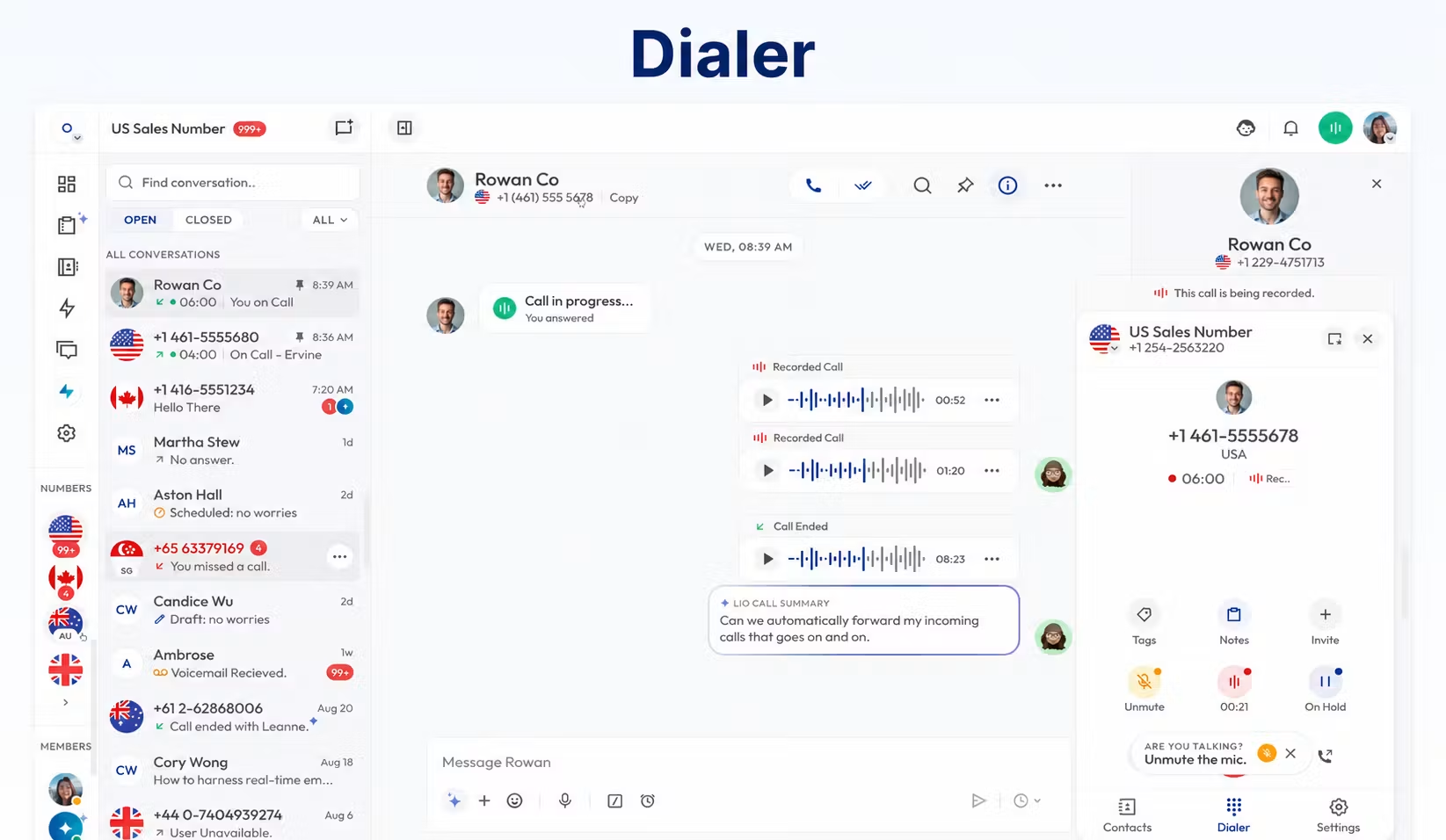
Calilio fits a sales or service team that needs distinct call routes and wants supervisors to review results. In the demo, have the vendor reproduce a menu from the customer’s current PBX. Send two calls to the same department while its only available employee is busy. Check where those calls go and how the supervisor identifies an abandoned call.
Premium lists US$28 per user per month annually or US$35 monthly. Verify which US or Canadian numbers qualify for the published allowance. Include forwarding, any additional numbers, recording and live supervision in the quote. A seat price can look attractive before you count every employee who needs to be available for overflow.
Use the pilot to compare how each system labels calls and calculates queue metrics. If the customer budgets staffing from an existing report, ask to export a sample and reconcile it against test calls. Check whether the account administrator can update a schedule without access to every team’s recordings.
4. RingCentral RingEX — Best For Reception And Supported Desk Phones
Suggested Team Size. About 10–75 staff moving reception, desk phones and office collaboration to a hosted platform.
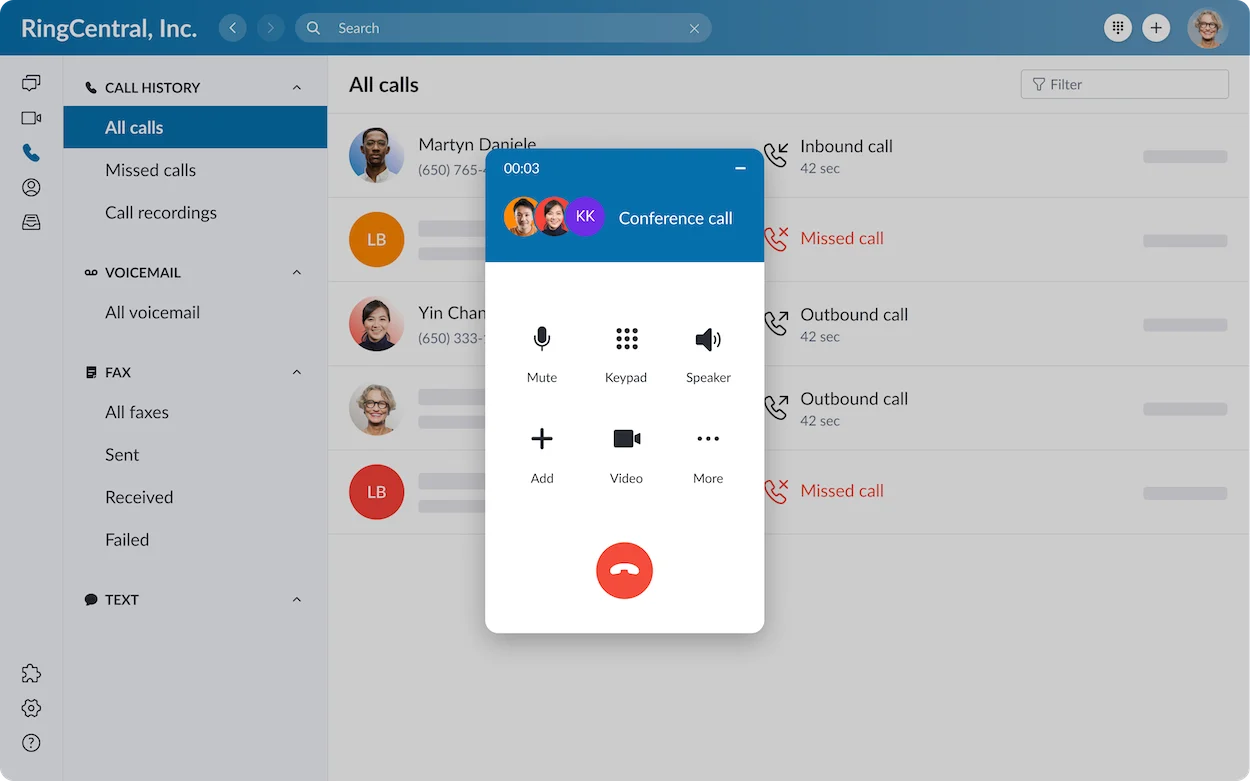
RingEX is worth comparing when staff want to retire an on-site PBX but still need a receptionist to park, transfer and retrieve calls. Build the first demo around that person. Have them transfer from a physical phone, recover an unanswered transfer and make a callback using the correct branch identity. Check which extension status indicators carry over.
RingEX Core has a US$20 per-user monthly reference on annual billing. Request the tier that covers the actual devices, CRM needs and reporting. Ask for model and firmware compatibility in writing. If the customer uses paging, analog equipment, fax or a common-area phone, identify the supported setup and quote any adapters and licences separately.
For an MSP, the hosted deployment changes what you maintain. Specify who handles site network faults, device provisioning and routine number changes. If the customer needs a single service desk, ask how the hosted provider works with your team before you replace the trunk and PBX together.
5. VoIP.ms — Best For A White-Label Reseller Interface
Suggested Team Size. A small MSP or PBX installer with an administrator who can manage client accounts and first-line support.
VoIP.ms documents reseller controls for client accounts and package pricing, including hard or soft balance rules. Its white-label interface is useful when you want more control over the customer-facing service. Have the provider show how a client is linked to an account, how access is restricted and what happens to service when a balance falls below zero.
The published number starting rate is US$1.10 per month. Price inbound and outbound traffic, any recording or emergency service and each number type separately. Have the vendor walk through a real customer statement or sample export and identify who collects payment, credits disputed calls and handles customer-facing invoicing. Those details determine whether the reseller interface can replace the process you use today.
Choose a small client account for the first pilot. Give it distinct credentials and confirm that its records never appear in another client’s view. Introduce a deliberate usage exception and see whether your staff can trace the route and reconcile the record with the balance. Keep a separate support checklist if the underlying PBX belongs to the customer.
6. Telnyx — Best For API-Managed SIP And Channel Partnerships
Suggested Team Size. A technical MSP, integrator or platform team with staff who can automate and monitor carrier provisioning.
Telnyx offers SIP trunking and a partner program with reseller and referral paths. It is a strong candidate if your team wants to provision numbers and routes programmatically. Confirm which path covers your business model, who signs the customer and which support and commercial commitments apply. Treat the partner agreement and retail pricing page as different sources of information.
Published local outbound SIP rates start at US$0.005 per minute. Ask for rates for your actual destinations, number types and traffic profile. Confirm inbound rates, capacity, calls per second, billing increments and any charges for routing options. The G2 rating in the comparison is for Telnyx CPaaS, which spans services beyond trunking.
Pick a repeatable test such as provisioning a number, routing it to an isolated test trunk and then restoring the prior route. Have a second engineer repeat it using documented access. If automation runs across multiple customers, test credential scoping and how the system behaves when a request fails partway through. Make sure you can reconcile a completed change with the carrier account before trying it again.
How To Choose A SIPTRUNK.com Replacement
Decide Which Customer Systems Will Stay
Make a list of customer PBXs and separate them by version, host and support status. For each one, record the carrier configuration, current numbers and the last time someone tested backup routing. Start a trunk-only pilot with a PBX that is still supported and that your engineers know how to restore. A system due for retirement may be a better candidate for hosted calling, especially if the customer already wants to stop maintaining local phones and servers.
Draw the service boundary for each option. In a carrier replacement, the customer or MSP still owns the PBX, its updates and its dial plan. With hosted calling, someone must rebuild the extensions, queues, voicemail and permissions on a different platform. A reseller program adds a separate boundary for orders, invoicing and support. Identify one owner for each task before you compare the proposals.
Get A Traffic Profile Before Comparing Rates
Export call detail records from a representative period. Separate inbound local traffic, toll-free inbound, domestic outbound and international destinations. Then measure the largest overlap of active calls and note short bursts when many calls start together. Ask providers whether the account has separate limits on simultaneous calls and calls initiated per second. A seasonal call spike can expose limits that never appear in average monthly usage.
Use the call records to test billing assumptions. A forwarded call may use an inbound and an outbound leg. A transfer can briefly consume more capacity than the original call. Check whether the provider counts a call while it is ringing and how it rounds partial minutes. Send the same sample month to each finalist and ask for a priced result, with number rental, toll-free usage and any minimums identified separately.
Separate Voice, Fax And Business Texting
Map which numbers serve more than one purpose. A reception number might accept calls and texts, while a fax number might forward documents to a shared inbox. Assign a service owner and a test for each use before requesting the port. If the new carrier only supports one of those uses, ask whether a separate service can handle the other and whether the same number can stay attached to both.
Test the migration with the people who actually receive those messages. Send a multipage fax in each direction and check the delivered document. For texting, confirm how the customer receives replies, whether existing registration transfers, and how it will handle messages during a gap. Keep the old records accessible under your agreed retention plan. A voice test proves the call path. The fax and texting tests establish whether employees can continue their other work when that number moves.
Prove Interoperability On Your Actual PBX
Confirm that the proposed trunk supports the PBX version and how it authenticates. A static public IP may suit a server in a data centre, while a branch behind a changing address may need a different setup. Record the supported transport, media settings, caller ID format and how dialled digits are passed to a menu. Use the proposed production settings for the test so you can reproduce the results later.
Test from several originating networks and include calls that last long enough to expose one-way audio or dropped sessions. Ask the carrier for a trace of a successful call and a failed attempt. Make sure your engineer can match those records to the PBX. If you rely on fax or emergency calling, get the applicable setup and test procedure from the provider and keep it in the customer’s deployment checklist.
Compare Reseller Programs And Wholesale Billing
Provider-Billed Commission Programs
Start by copying the last commission statement and matching its entries to the customers you support. Note which products earn commission, when the payment arrives and what happens after a refund or cancellation. Ask any competing partner program to show a sample statement and explain the timing. Make sure you understand who continues to bill existing customers when the partner relationship ends and how the customer can access its own records.
Ask how branding works at each point of the customer journey. SIPTRUNK.com describes branded onboarding elements and direct billing by the carrier. The provider’s name may still matter when customers see statements, payment requests or support messages. Ask each candidate to demonstrate a complete order from the welcome email to the first invoice and a support response. Have someone from your sales team review it from a customer’s perspective.
Wholesale Buy Rates And White-Label Billing
A wholesale arrangement can give an MSP more control over retail pricing. It can also move invoice preparation, collections, adjustments and customer support to the MSP. Model a month in which one customer pays late and another disputes a toll-free charge. Ask how you can restrict spending while keeping essential routes available. Identify who investigates each problem and how the carrier credits an error if it confirms one.
VoIP.ms provides a reseller interface with customer accounts and balance controls. Telnyx advertises reseller and referral paths. Ask each provider how your specific account would operate and which controls are available under your agreement. A branded login, a wholesale rate and a commission program serve different purposes. Have the vendor mark which elements it supplies and which functions your team needs to provide.
Account Isolation And Support Escalation
Ask each shortlisted carrier to create two sample customers. Give one client’s administrator access, then check which phone numbers, call detail records and settings they can see. Simulate a lost credential and confirm that you can revoke access for one customer without affecting the other. If the program exposes an API, ask how to limit access and identify which operator or system made a change.
Then simulate an incident. Pick a number that reaches the wrong destination and give first-line support the information a real customer would provide. Measure whether your staff can isolate the account, establish the last routing change and open a useful carrier ticket. Ask the provider what it can see after hours and whether your customer can contact it directly. Put the agreed handoff in the support terms.
Shortlist SIPTRUNK.com Competitors By Customer Type
An Installer Keeping Local PBXs In Service
Start with Signal House if the immediate goal is to pilot a new trunk. Include Telnyx when engineers need programmatic provisioning or more granular control over carrier connections. Use the same PBX and call scenarios for both. Evaluate the support experience alongside the technical result. A provider that can return a useful trace for a failed transfer may save more time than a small difference in the headline rate.
An MSP Selling Under Its Own Brand
Put VoIP.ms on the list when branded customer access, account balances and package pricing are important. Compare the Telnyx channel offering if you also need an agreement for reselling or referrals. Bring a sample account that includes a number, a trunk, usage and an adjustment. Ask how it would appear in the system and how your finance team would settle the month. Calculate margin after the time your staff spend supporting and billing the account.
A Small Customer Retiring The PBX
Test KrispCall for a customer whose main requirements are answering one number and sharing callbacks. Move Calilio higher if the customer needs multiple queues and supervision. Give the staff one morning to try calls with a spare number. Ask whether everyone can see which customers need a callback and whether a supervisor can change the route. Scope the hosted plan as a customer solution with its own commercial and support terms.
A Reception Desk With Physical Equipment
Include RingEX if the customer wants a hosted deployment and the receptionist still needs a physical handset. Run the test with the exact model the provider proposes. Include parking a call for a colleague, retrieving it after a delay and identifying which branch the caller dialled. If the current PBX also powers paging, intercom or fax, list those separately. Check their replacement cost before accepting the hosted proposal.
Compare SIPTRUNK.com Pricing With Metered And Hosted Plans
On the published unlimited plan, six SIPTRUNK.com channels at US$24.95 per month would total US$149.70 in channel charges. On a metered plan, 12,000 outbound minutes at a hypothetical US$0.005 per minute would total US$60 for those minutes alone. The metered illustration excludes inbound calls, numbers, capacity, emergency service, toll-free and any other fees. Compare the actual rate deck and inclusions before using the difference as a savings estimate.
For reseller proposals, build two separate worksheets. One should show the customer’s monthly cost. The other should show what the MSP retains after wholesale spend, collection costs, credits and support time. In a provider-billed arrangement, record only the commission and separately invoiced services as your revenue. In a wholesale arrangement, subtract the carrier cost from your retail revenue and allow for unpaid invoices. Use the same customer and traffic in both sheets.
Model a normal month and the busiest month. Include the services whose prices are easy to overlook, such as additional DIDs, toll-free, fax, recording or messages. If the customer moves to a hosted system, add seats, supported devices, installation and training. Confirm whether the new plan can shrink as well as grow. Keep one-time migration charges separate from monthly costs so the customer can see when the new arrangement would become cheaper.
Use different decision rules for technical and commercial pilots. A temporary number can prove interoperability without establishing how a monthly invoice looks. A sample partner quote can show a margin without proving that the service handles peak demand. Ask for both and give the operations and finance teams time to review their respective results.
What To Ask SIPTRUNK.com Competitors Before Signing
- Customer Billing. Establish who sets retail prices, invoices the customer, collects payments and owns credits and disputes.
- Partner Terms. Ask which products earn commission, how thresholds apply, and what happens to payouts when accounts cancel or the relationship ends.
- PBX Support. Confirm compatibility with the exact version and hosting setup, including authentication, caller ID and menu input.
- Numbers And Traffic. Submit local, toll-free, fax and messaging numbers for eligibility checks. Provide a busy-hour traffic sample and destination mix.
- Service Continuity. Ask how routing changes when a PBX is unreachable and whether the change requires customer action.
- Account Controls. Demonstrate client isolation, permissions, usage visibility and limits with sample customer accounts.
- Escalation. Identify who investigates faults after hours and what information the carrier needs from the customer or MSP.
Require the written proposal to match the setup used in the pilot. If a feature was demonstrated on a different tier or account, ask the vendor to price it on the final proposal. Save the agreed support contacts and give the new provider the conditions that must be met before the first production number moves.
Move SIPTRUNK.com Numbers And Validate The New Routes
- Inventory The Existing Service. Record each number, current account details, owner, routing destination and related service. Tag numbers tied to toll-free, fax or messaging so they receive separate checks.
- Set Up The New Carrier Or Hosted Service. Test one temporary number with the intended permissions and routing. Document what happens when the destination stops responding.
- Schedule The First Port. Start with a low-risk account or number when possible. Confirm the port order and keep existing service active during the move. Establish an alternate way for the customer to reach support.
- Validate From Several Networks. Test local and toll-free inbound, outbound identity, transfers and menu input. Check fax and messaging separately when in use. Follow the provider’s approved procedure for emergency calling setup and validation.
- Reconcile The First Bill. Match numbers and call records to the right customer. Check usage rounding, minimums and fees against the proposal before scaling the migration.
Give the customer a test list in everyday terms. A receptionist can verify that a parked call is retrievable even without seeing the carrier logs. An installer can compare the trace when it fails. Write down who can enable temporary forwarding and which routes can be changed without waiting for a carrier. Use those contacts and routes during the change window if a port is delayed.
Review the first full work cycle before moving the next group. Look for a forwarded call billed to the wrong account, a toll-free number that missed its after-hours route, or a customer statement that omits a credit. Fix the provisioning template when a problem is systemic. Retest the correction on the pilot account and roll it out only once you can reproduce the expected result.
FAQs About SIPTRUNK.com Alternatives
What Are The Best Alternatives To SIPTRUNK.com?
Signal House, VoIP.ms and Telnyx are the best starting points for carrier or reseller requirements. Compare Signal House for a programmable trunk, VoIP.ms for a white-label reseller interface and Telnyx for API-managed SIP and channel options. KrispCall, Calilio and RingEX fit customers moving to hosted calling.
Which SIPTRUNK.com Competitor Offers White-Label Reseller Tools?
VoIP.ms offers a white-label reseller interface with customer accounts and balance controls. Ask who handles invoicing, payments, adjustments and support. Verify those responsibilities against the way you bill customers today.
Can I Switch From SIPTRUNK.com And Keep My PBX?
Yes, if the new SIP trunk supports your PBX and you can administer its carrier settings. Check the version, authentication, caller ID, transfers and failover with a temporary number before porting your production lines.
How Much Does A SIPTRUNK.com Replacement Cost?
Cost depends on number rental, usage, capacity and the commercial agreement. Compare a channel quote with the cost of the same traffic on a metered plan. Include inbound, toll-free, fax, taxes and support where applicable.
Can I Port My Existing SIPTRUNK.com Numbers?
You can port eligible numbers through the gaining provider. Confirm local and toll-free eligibility individually and check whether fax or messaging follows a different schedule. Keep the current service active while the port and route tests are underway.
Which Option Works If A Customer Wants To Retire Its PBX?
KrispCall is a starting point for shared calls, Calilio for department queues and RingEX for a hosted reception setup. Verify hardware, menus, support and number porting with the customer before switching.
Does Every SIP Trunk Provider Bill Customers And Pay Commissions?
Billing and commissions depend on the partner agreement. Ask who invoices and collects from customers, how payouts are calculated and which support tasks the reseller owns.
Use Customer Reviews To Set Pilot Tests
Use G2 reviews to find specific questions for your shortlisted providers. For carriers, look for experiences with porting, number management and technical support. For hosted phones, look for teams that rely on the same features as your customer, such as a shared line, a receptionist or physical handsets. Check whether a review discusses the product you plan to buy, particularly for platforms that sell several communications services.
Finish with one technical test and one commercial reconciliation per finalist. Have an engineer demonstrate a route failure and recover the call path. Have finance verify a sample customer bill and the corresponding carrier charge or commission statement. Keep the test records with the signed scope so the next customer can be deployed using the same process.
Affiliate Disclosure. VoIPCalling may earn a commission when you purchase through a partner link.