

KrispCall and Calilio are the best ClearlyCore alternatives to start with if a small Canadian office wants to move to hosted app-based calling. Try KrispCall for shared calls and callbacks, or Calilio for department queues and supervision. Compare RingCentral RingEX and GoTo Connect for reception, supported phones and branches. If you want to retain a custom on-premises PBX, consider Signal House for the SIP connection and arrange system maintenance separately.
Which ClearlyCore Service Are You Replacing?
ClearlyCore identifies itself as the former Core Telecom Innovations and describes hosted ClearNote and custom on-premises phone systems. Its site offers both a hosted price list and a consultation for a premises-based build. A customer can therefore be replacing a hosted subscription, moving a custom installation or changing external calling while keeping the PBX.
The published hosted page shows examples including one extension at $21.95 per month, three at $59.85 and six at $107.95, with different prices for additional extensions. It lists routing, follow-me, voicemail delivery by email and a web interface. Confirm current availability, currency, calling, number charges and support in writing. Use your own service order as the baseline when comparing these bundles with a per-user plan.
ClearlyCore also describes installing ClearNote on suitable customer hardware or combining existing and new equipment. If your business uses that arrangement, identify which parts you own and which require ongoing support. Ask who can retrieve the configuration, provision the phones and change the trunk settings before deciding whether to keep the installation or move staff to a hosted app.
Compare ClearlyCore Alternatives And Competitors
All seven options come from the VoIPCalling master sheet. The first six cover hosted business calling. Signal House covers the carrier layer of a retained PBX. US-dollar prices are references. Request the Canadian plan and support scope for your deployment. Suggested team sizes are editorial workflow estimates.
| Provider | Best Fit | Buying Consideration | Pricing & Trial |
|---|---|---|---|
| Shared Calls And App-Based Callbacks | Confirm Canadian number eligibility, routing, usage and any required devices. | US$32/user/monthAdvance, billed annually. US$40 with monthly billing. Up to 50 users. Usage and selected add-ons cost extra.7-Day Free Trial for VoIPCalling CustomersStart a 7-Day KrispCall Free Trial | |
| Department Queues And Call Supervision | Check the Canadian number allowance and tier for monitoring. | US$28/user/monthPremium, billed annually. US$35 with monthly billing. Number and usage charges can apply.Demo AvailableRequest a Calilio Demo | |
| Reception And Supported Desk Phones | US Core is the phone plan benchmark. Verify Canadian terms, desk phone models and integrations. | US$20/user/monthUS Core annual-billing reference. Request Canadian terms for devices and features.Free Trial AvailableStart A RingEX Free Trial | |
| Branch Routing And Schedule Management | Confirm Canadian sites, hardware, onboarding and support. | Custom PricingQuote the Phone System for each branch and shared device.Demo AvailableRequest A GoTo Connect Demo | |
| Calling In An Existing Zoom Workplace | Verify the regional plan, supported devices and common-area licences. | Request Current Phone PricingConfirm the Canadian calling plan, eligible devices and common-area licences.Demo AvailableRequest Zoom Phone Pricing For 1–50 Users | |
| Transcripts And Customer Follow-Up | Confirm the integration tier, supported languages and retention. | US$15/user/monthStandard US-dollar reference. Request a Canadian quote and confirm the integration tier.14-Day Free TrialStart A 14-Day Dialpad Connect Trial | |
| SIP For A Retained PBX | Confirm Canadian number coverage, port eligibility and exact PBX compatibility. | Request A Voice QuoteQuote origination, termination, number rental and billing increments.Demo AvailableRequest A Signal House Demo |







1. KrispCall — Best For Shared Calls And App-Based Callbacks
Suggested Team Size. About 2–20 staff sharing a business number and working from desktop or mobile apps.
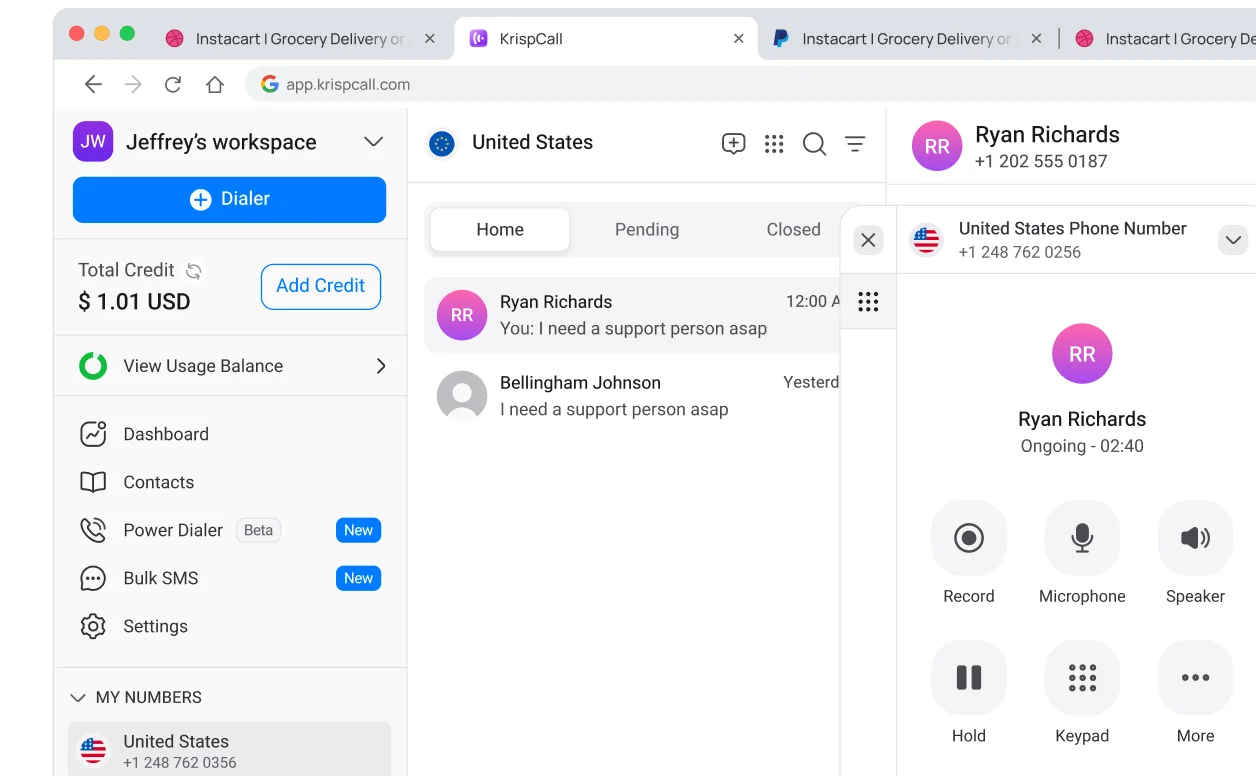
KrispCall fits an office that mainly needs to answer a common number and share callback responsibility. Use a spare number and two employees. Have one miss a call and another return it using the business identity. Check that the second employee can see enough history to avoid calling the same customer twice.
Advance lists US$32 per user per month on annual billing or US$40 monthly. Ask whether the Canadian number can port and which menus, transfers and calling destinations the plan covers. If ClearlyCore currently forwards calls to mobile numbers, have KrispCall show the proposed app workflow and any forwarding charges.
Use the exclusive 7-day VoIPCalling trial to include a desk-based user and an employee on cellular data. Leave a voicemail after close and ask the next person on duty to find and return it. Confirm any physical phone requirement in writing before committing to the app deployment.
2. Calilio — Best For Department Queues And Call Supervision
Suggested Team Size. About 5–30 staff with separate customer-facing routes and a supervisor.
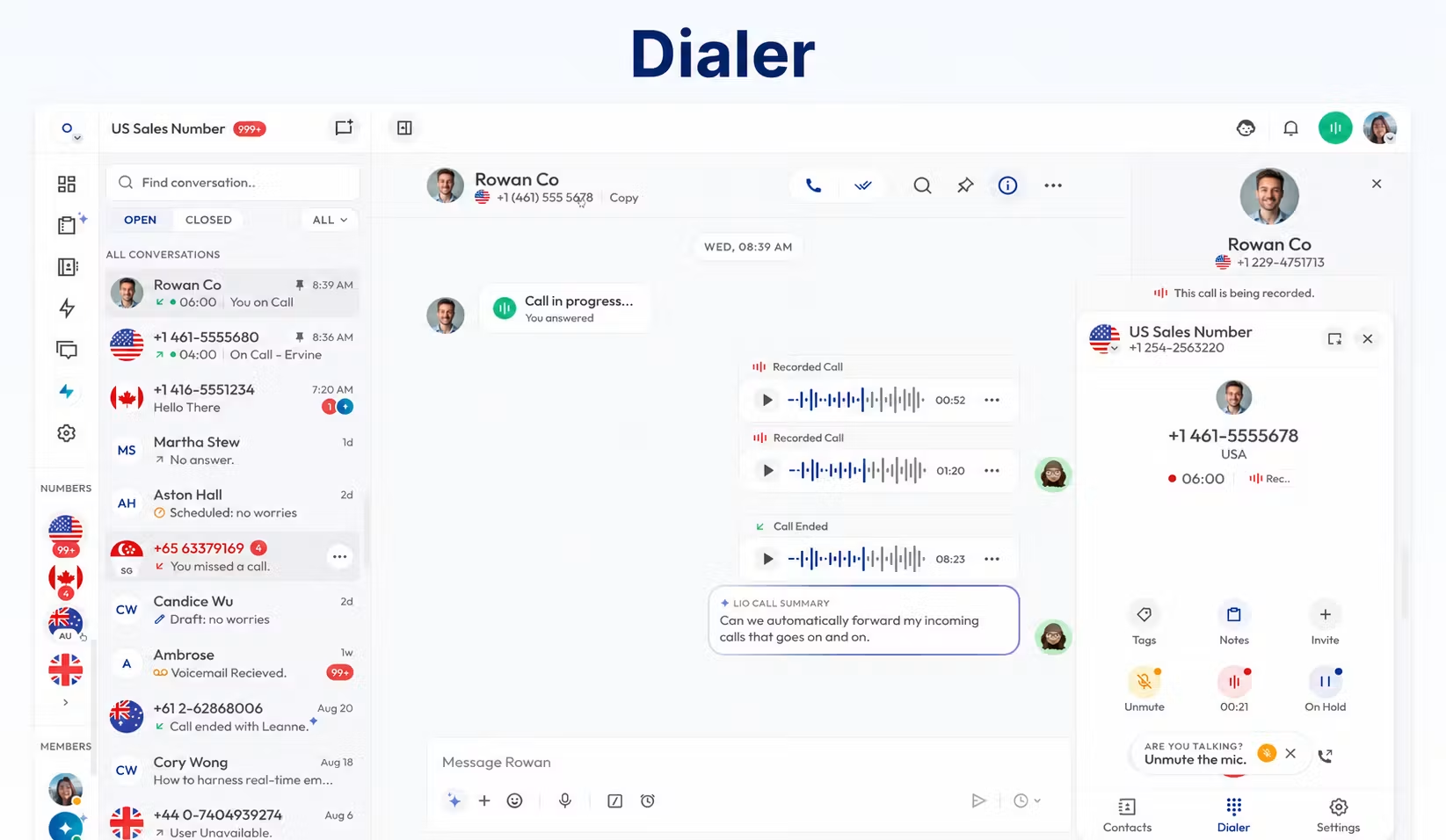
Calilio fits a team that wants hosted menus, queues and live supervision. Bring one of your current ClearlyCore routes into the demo. Send a caller to support while its first agent is busy and check the overflow destination. Ask the supervisor to find the event and identify what happened to the caller.
Premium lists US$28 per user per month annually or US$35 monthly. Verify allowances for eligible Canadian numbers and price extra numbers, forwarding and any required recording separately. Ask which tier includes monitoring and the reports staff use to review the queue.
Test the supervisor and ordinary agent roles. Include a caller who leaves the queue and calls back. If the business uses French and English greetings, test both paths and ask who can update them after launch.
3. RingCentral RingEX — Best For Reception And Supported Desk Phones
Suggested Team Size. About 10–75 staff with reception, physical devices and structured transfers.
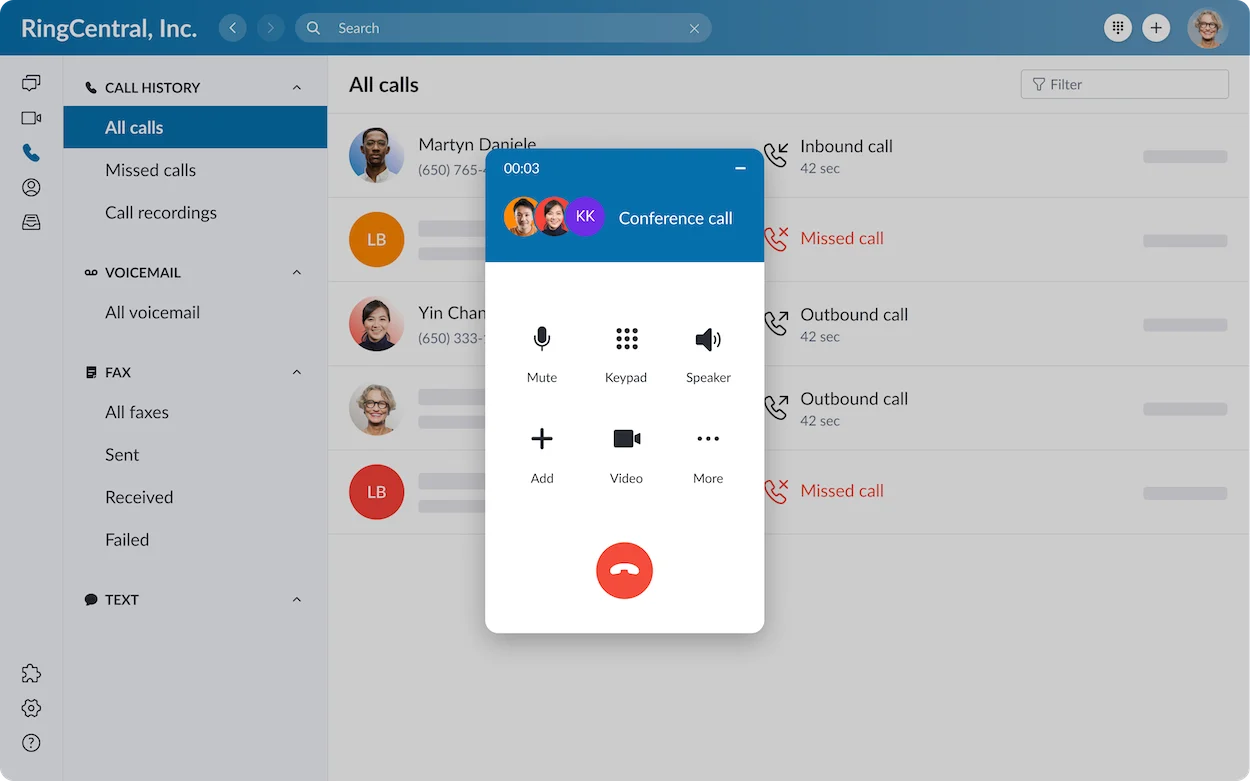
RingEX is worth testing if the office wants hosted calling while keeping a familiar reception workflow. Give the vendor the model and firmware for each handset you want to retain. Ask reception to park a call, transfer to a busy colleague and retrieve the call. Verify the extension-status display and the identity shown when answering for another branch.
US Core has a US$20 per-user monthly reference on annual billing. Request the Canadian plan and tier that cover your phones, recording or CRM requirements. Ask who provisions devices and who supports updates. Include common-area phones, accessories and any on-site installation in the proposal.
If the current PBX connects fax, paging or an intercom, have the installer identify the supported replacement. Test that path separately from the desk-phone demo and put the accepted setup in the order.
4. GoTo Connect — Best For Branch Routing And Schedule Management
Suggested Team Size. About 10–75 staff across locations that share reception or overflow.
GoTo Connect fits companies that need one phone system with different site hours. Give the vendor two real branch schedules and a central receptionist. Have a local manager change one holiday and call both sites. Verify that only the intended location closes and that the caller reaches the agreed fallback.
Request a Canadian Phone System quote with numbers, devices, setup and support. Ask which hardware the provider will provision and who can make routine changes after launch. If ClearlyCore currently maintains custom schedules or special routing, have the vendor reproduce one exception in the proposed plan.
Simulate an unavailable branch and check what reception sees when the call arrives elsewhere. Ask who can restore the normal route. Include any local voicemail or fax number in the same acceptance checklist.
5. Zoom Phone — Best For An Office Already Using Zoom
Suggested Team Size. About 10–100 staff using Zoom with a mix of personal and shared calling devices.
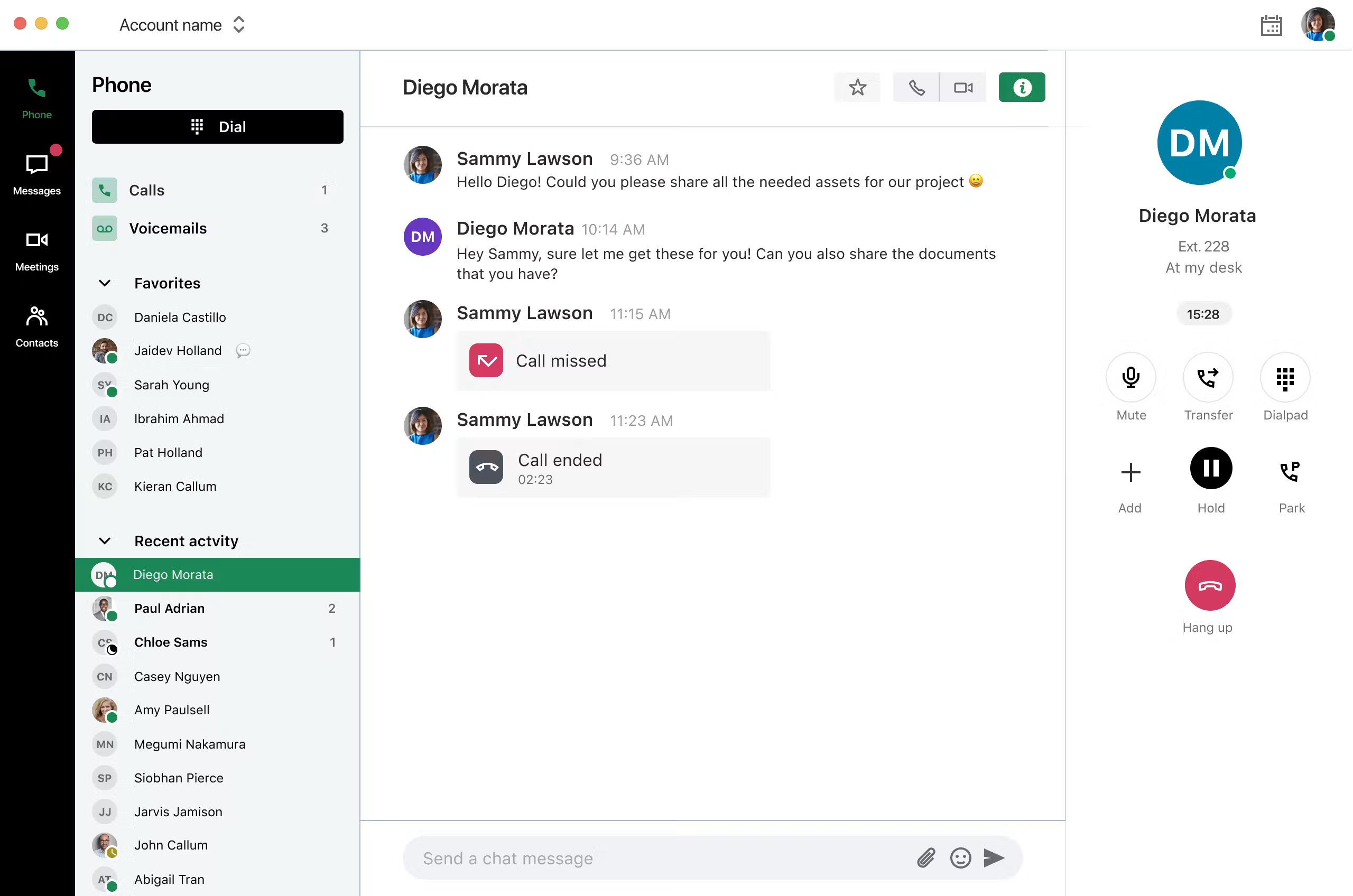
Zoom Phone is worth evaluating if users already work in Zoom and want business calls in that client. Have one employee receive a call during a meeting and another answer from a mobile device. Test a transfer and a callback using the main company number. If reception covers more than one location, verify that it can identify the called number.
Request the applicable Canadian Phone plan and separate shared-device licences from individual users. Ask for the exact handset models the vendor supports. If an analog phone or specialty endpoint remains, have the provider and installer specify a tested connection and who supports it.
Test the proposed administrator role and a normal user. Ask the administrator to update a schedule, then verify the call path without relying on the preview. Quote numbers, usage and any advanced queue requirement separately.
6. Dialpad Connect — Best For Transcripts And Customer Follow-Up
Suggested Team Size. About 5–40 staff who review calls and hand customers between employees.
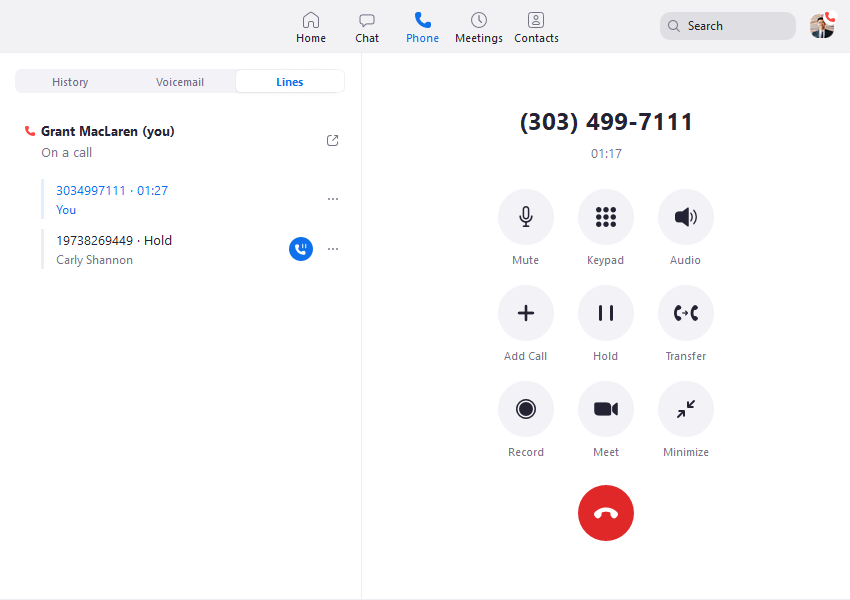
Dialpad Connect is useful when the business wants searchable transcripts and summaries after calls. Use a conversation with a customer name, an order reference and a promised next step. Have a colleague locate the recap and compare it with the recording before updating the customer record.
Standard has a US$15 per-user monthly reference on annual billing. Request Canadian terms, supported languages, retention and the tier for the actual CRM. If employees rely on voicemail delivery by email today, demonstrate that workflow alongside live-call summaries.
Give supervisors and ordinary users the access they will have in production. Ask both to find the same call and check what each can export. Test how staff locate historical material when the original employee leaves or changes roles.
7. Signal House — Best For SIP Trunking For A Retained PBX
Suggested Team Size. A technical team supporting roughly 5–100 people on a PBX it controls. Size capacity from actual traffic.
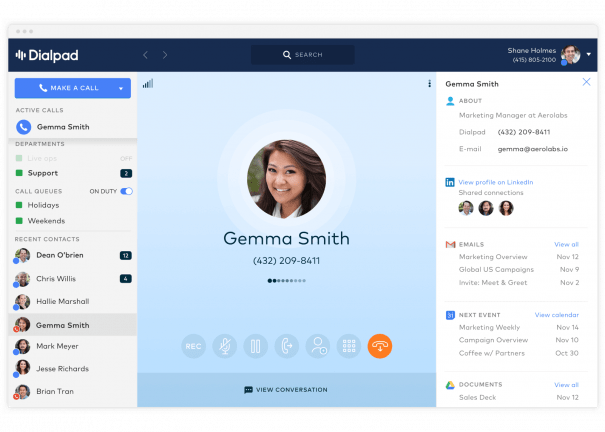
Signal House documents SIP trunks and programmable voice routing for an existing PBX. Consider it if the ClearlyCore installation will stay and you want to evaluate a different carrier. Give the provider and maintainer the exact PBX version, authentication and number list. Confirm Canadian coverage and port eligibility before ordering.
Ask the maintainer to configure one temporary number. Test incoming calls, outbound identity, menu input and transfers. Make the primary PBX destination unavailable and verify the agreed fallback. Request a call trace the engineer can match with the PBX log.
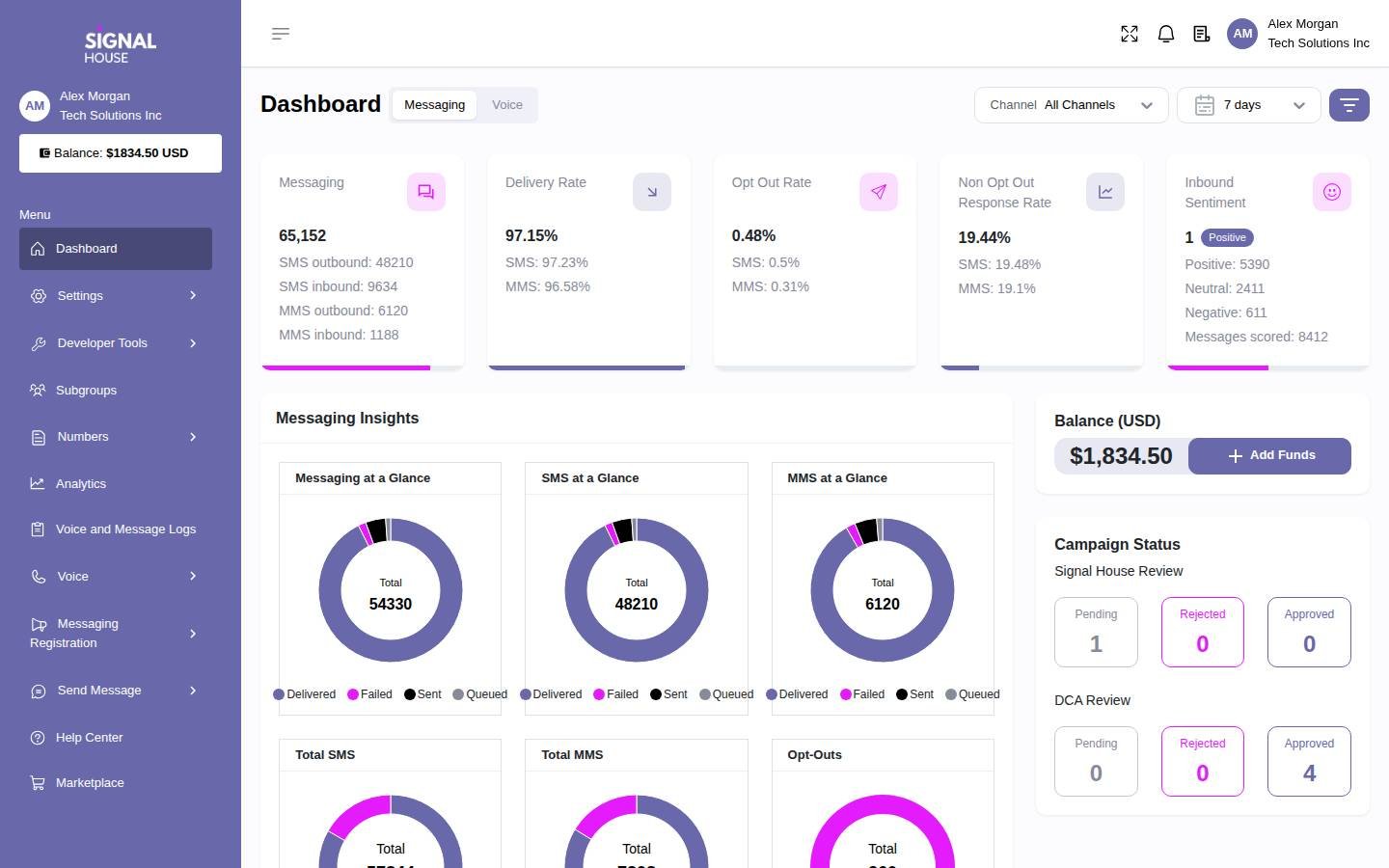
Quote number rental, call destinations, capacity and support separately. Confirm emergency calling and any fax requirement for the planned setup. Arrange upgrades, backups and local hardware maintenance with the responsible technician. The dashboard shows the broader Signal House platform.
How To Choose A ClearlyCore Replacement
Identify The System That Owns The Call Routes
Start with your service order, the equipment labels and a current call-flow diagram. Ask where the main greeting, schedules, ring groups and voicemail are configured. If those settings live in a hosted ClearlyCore account, the new provider needs to rebuild the routes. If they live on a server your business controls, a carrier change can preserve them when the proposed trunk works with that server.
Write down every public number and where it goes. Include direct employee lines, local branch numbers, toll-free numbers and any line that only forwards elsewhere. Ask the staff who answer them to verify the list. A number that does not ring a named employee may still be important to dispatch, reception or an automated process. Include it in the quote and port worksheet.
Use Your Actual Workflows To Choose A Plan
A small office may use one greeting and a shared voicemail box. Another business may need different schedules by branch, custom music or messages on hold and several follow-me destinations. Give each provider the same examples and ask it to demonstrate them on the proposed tier. If a feature is configured differently, let employees try the sequence of actions and check whether they can complete their work without help.
Include an answered call, an unanswered transfer and a callback. Ask the new provider what the caller hears when the first destination is unavailable. Verify where staff find missed calls and how they know someone has dealt with them. Test the ordinary user and administrator roles you intend to deploy. Keep custom requirements in the final order so the implementation team knows what has to be delivered.
Decide Who Will Run The Replacement
Ask the person who currently manages ClearlyCore to list recent changes and support requests. They may have updated hours, added a handset, restored a greeting or investigated a call that never arrived. Ask the new provider to show who will handle those tasks after launch. If the business will manage them, include training and administrator access. If a provider or installer will do them, obtain the scope and response process in writing.
Review the points where support changes hands. A hosted vendor can run the calling platform while another company supplies local equipment and internet access. A carrier can deliver the call while the PBX maintainer owns its next destination. Ask both parties what evidence they need to find a fault. Keep the contacts and a sample successful test call with the support records.
Keep A Custom On-Premises PBX Or Move To Hosted Calling
Check Ownership, Access And Backups
ClearlyCore describes custom systems that can use customer hardware. Check who owns the server, phone configuration and licences in your deployment. Ask the current provider what it can hand over and what support will remain after the account changes. Give the incoming maintainer the exact model, software version and proposed work before setting a cutover date. A new trunk cannot replace access to the system that controls the routes.
Have the maintainer review the backup and recovery procedure. Confirm who can retrieve configuration and which files or records the business needs to keep. Ask whether a restore can be tested in a separate environment and how long recovery is expected to take. Include any work required to make the installation supportable, such as updates or hardware replacement, in the retained-PBX proposal.
Price A Carrier Change As Its Own Project
If the PBX stays, ask Signal House to confirm the proposed connection with your maintainer. Document authentication, supported transport, media settings and how the inbound number is presented. Test a temporary number routed to an isolated extension or menu. Compare the carrier record and PBX log so the engineer can identify where a failed call stopped. Keep the existing route available while the test is in progress.
Size the connection with traffic from a busy period. Count simultaneous calls and short bursts of new calls, and include transfers or forwarding to external numbers. Ask what happens when capacity is exceeded and how an alert reaches your team. Request prices for the actual inbound numbers and outbound destinations. Keep the cost of the PBX and its support alongside the carrier charges.
Rebuild Hosted Calling In A Controlled Pilot
If the business moves away from the custom installation, rebuild the main number on a temporary route first. Include the greeting, schedules, queues and voicemail. Have a receptionist, mobile worker and supervisor test the same calls they handle today. Ask what happens when the employee who usually answers is unavailable and whether the next person has enough information to respond.
Move specialty devices on a separate checklist. Fax, paging, an intercom or a shared handset can depend on the old installation even when employee calling has moved. Ask the installer for a supported connection and test the actual device. If some equipment must stay behind temporarily, mark its numbers and support dependencies before retiring the server or closing the old account.
Compare Configuration, Equipment And Ongoing Support
Verify Which Existing Phones Can Move
Record each phone model, firmware, ownership and accessories. Ask whether the new provider will provision it and support the features staff use. A phone that can place an ordinary call may still behave differently for parking, pickup or extension status. Have reception test the exact model and any expansion module in the quote. If a device is leased or locked to its current provisioning, ask what is required to release or replace it.
Count shared phones separately from employee seats. A lobby phone may need a dedicated location and different dialling rules. A workroom handset may need to reach an internal group without giving every shift worker a personal login. Ask the vendor to quote those endpoints and demonstrate the intended access. Verify who can change the assignments if equipment moves between rooms or sites.
Preserve Custom Greetings And Follow-Me Behaviour
Save the approved greeting files and describe which ones play on different schedules. Include any music or marketing messages used on hold. Ask the new vendor whether it accepts the files and how staff upload replacements. If callers choose a language, test the complete path and the fallback greeting. Have someone from each team approve the result.
For follow-me, list which devices ring together and which destinations are tried in sequence. Include any external mobile numbers. Have an employee answer, decline and miss a call on the intended device, then check the final voicemail destination. Confirm how the provider bills forwarding and how caller identity appears to the receiving person. Ask who can update the sequence when coverage changes.
Set A Support Process That Staff Can Use
Give staff a short way to report a fault with the number, time, device and expected destination. Ask the provider how it locates the related record and how an urgent route change is approved. If the site has several administrators, make sure one person can act when another is away. Test who can reach support outside normal hours and which work has an additional charge.
Ask the maintainer and hosted vendor to agree on the first checks during an incident. If calls still arrive at one branch, use that result to narrow the fault. If an app works while a handset does not, document the device and local connection. Keep an alternate contact or forwarding destination for the number the business depends on most. Test it before the port window.
Shortlist ClearlyCore Competitors By Deployment
A Small Office Sharing One Number
Try KrispCall if staff need to answer from different devices and share callbacks. Compare Calilio when the same office also needs separate departments or a supervisor. Use a spare number during a real shift. Ask one person to miss a call and another to find and return it. Check after-hours voicemail and who owns the first callback on the next business day.
A Company With Reception And Several Branches
Compare RingEX and GoTo Connect using the actual site schedules and handsets. Ask a receptionist to handle calls for two locations and identify which one was dialled. Test a holiday at one site and an unavailable branch at another. Verify the fallback and who can restore normal routing. Include the numbers, shared devices and any installer visit in both proposals.
A Business Already Using Zoom Or Reviewing Calls
Consider Zoom Phone if staff already use Zoom and want calls in the same client. Test someone receiving a call during a meeting and returning it from a mobile device. Try Dialpad Connect if the priority is finding details from previous conversations. Have a second employee check a summary against the original call and use the correct customer record. Quote the actual regional plan and integration tier.
A Site Keeping A Custom PBX
Start with a maintenance assessment and the Signal House trunk pilot. Have the incoming technician confirm that the server, devices and dial plan remain supported. Obtain the Canadian number and port checks from the carrier. If the PBX needs work before it can use the new connection, include that in the cost and schedule. Compare it with a hosted proposal only after both scopes cover the same numbers and required functions.
Compare ClearlyCore Pricing With Complete Replacement Quotes
Use the invoice and selected package to identify the current cost. ClearlyCore’s hosted page includes several bundled extension examples. Additional-extension prices vary by package, so compare the complete account price at the headcount you need. Confirm currency, included destinations, numbers and support. A per-user alternative needs to be priced for the same users and services before the totals are meaningful.
As an illustration, the published six-extension Medium Business amount of $107.95 plus four additional extensions at $17.95 would total $179.75 per month for ten extensions, assuming the published package and extra-extension rate apply. Ask ClearlyCore to confirm the current offer and all other charges. This arithmetic is an estimate from the displayed package, not an account-specific quote.
For another example, ten KrispCall Advance seats at US$32 per month on annual billing would total US$320 in monthly seat fees. Ten Calilio Premium seats at US$28 would total US$280. Confirm the term, billing currency, usage and equipment in each proposal. Record any exchange-rate assumption separately from the price you are contractually charged.
Put implementation in its own column. Include porting, hardware, configuration, training and any time when both systems will be active. Put subscriptions, usage, numbers, maintenance and support in the recurring column. If the site keeps a PBX for some devices, keep its cost visible in the hosted scenario. Ask how each quote changes if you add a branch, reduce staff or need more capacity.
For a custom installation, ask the technician to itemise the work required before and after the carrier change. A trunk quote can look inexpensive before you count the time to update, monitor and restore the PBX. Include the equipment and support term alongside the calling charges. Use a normal and busy month to compare actual destinations and the required number of simultaneous calls.
What To Ask ClearlyCore Competitors Before Signing
- Hosted Or Retained PBX. Identify which company owns extensions, menus, configuration and maintenance after the move.
- Canadian Numbers. Verify each local, toll-free and fax number and who can authorise its port.
- Equipment. Confirm model, firmware, provisioning, shared-device licences and installer responsibilities.
- Custom Routes. Test schedules, follow-me, hold messages, transfers and the fallback when a branch or person is unavailable.
- Records And Support. Ask about call history, voicemail, export and how to reach the person who can change a route during an incident.
- Final Costs. Request billing currency, included calling, one-time work, recurring charges and term in writing.
Have the provider mark what it demonstrated and what requires another product, installer or higher plan. Give each open requirement an owner. If a handset or specialty device was absent from the test, keep it as a pilot item. Make the accepted configuration part of the final order so the team implementing it has the same expectations.
Move ClearlyCore Numbers And Validate The New System
- Document The Current Deployment. Record number ownership, devices, menus, schedules and any records to retain. Confirm access to PBX backups where applicable.
- Build A Temporary Route. Pilot the intended hosted service or carrier using the real equipment and staff roles. Include a failed transfer and after-hours call.
- Coordinate The Port. Confirm eligibility and which numbers can move together. Keep the current service active through the move and record who can enable a fallback.
- Verify Calling And Specialty Services. Call from several networks and check caller ID, menus, voicemail and the intended branch. Test fax and messaging separately where used.
- Complete Location Setup. Follow the provider’s approved emergency calling configuration and validation process for each relevant location and device.
- Review Billing And Open Issues. Check the first invoice, reports and support tickets. Resolve remaining dependencies before closing the old account or retiring the PBX.
Use a test record with the time, originating network, called number, device and expected destination. If a call fails, ask the carrier and maintainer to locate the same attempt in their records. Check a second network before assuming all callers are affected. Give reception the alternate contact route and tell staff which parts of the system still use the old service during a phased move.
FAQs About ClearlyCore Alternatives
What Are The Best Alternatives To ClearlyCore?
KrispCall and Calilio are starting points for small teams moving to hosted calling. Compare RingEX and GoTo Connect for reception and branches, Zoom Phone for an existing Zoom workplace, and Dialpad Connect for transcripts. Consider Signal House if the PBX stays.
Can I Leave ClearlyCore And Keep My On-Premises PBX?
Yes, if you control the system and can arrange compatible trunking and ongoing maintenance. Have the incoming maintainer review access, version, backups and devices before changing the carrier.
Which ClearlyCore Competitor Fits A SIP Carrier Change?
Signal House is a candidate for connecting a retained PBX through SIP. Confirm Canadian number coverage and interoperability, then test a temporary number, transfers and fallback before porting.
Can I Keep My Canadian ClearlyCore Phone Numbers?
You can retain eligible numbers by arranging a port through the gaining provider. Verify each local, toll-free and fax number. Keep the existing service active until the new routes are validated.
Can I Reuse My ClearlyCore Desk Phones?
You may be able to reuse them if you control the devices and the new provider supports the exact models and firmware. Test transfers, parking and extension status before treating the phones as compatible.
How Much Does A ClearlyCore Replacement Cost?
Cost depends on the users, numbers, equipment and support you need. Compare current bundled-extension pricing with a complete hosted or retained-PBX quote, including usage, setup and maintenance.
Which Option Fits Several Offices With Different Hours?
Compare GoTo Connect and RingEX for branch routing and shared reception. Test two real schedules, a holiday exception and an unavailable site using the devices in the proposal.
Use Customer Reviews To Set Pilot Tests
Look for reviews about the deployment you plan to buy. A small team sharing calls may learn from comments about callbacks and notifications. A business keeping physical phones should ask about provisioning and support. For a retained PBX, use the provider’s carrier and maintenance scope to turn relevant experiences into technical tests.
Have reception, the administrator and the maintainer record the outcomes they own. Ask finance to reconcile the quote with the devices and support the pilot required. Keep unresolved compatibility or port questions open until the provider confirms them. Move the next group of numbers after the team can reproduce the expected results on the first one.
Affiliate Disclosure. VoIPCalling may earn a commission when you purchase through a partner link.