
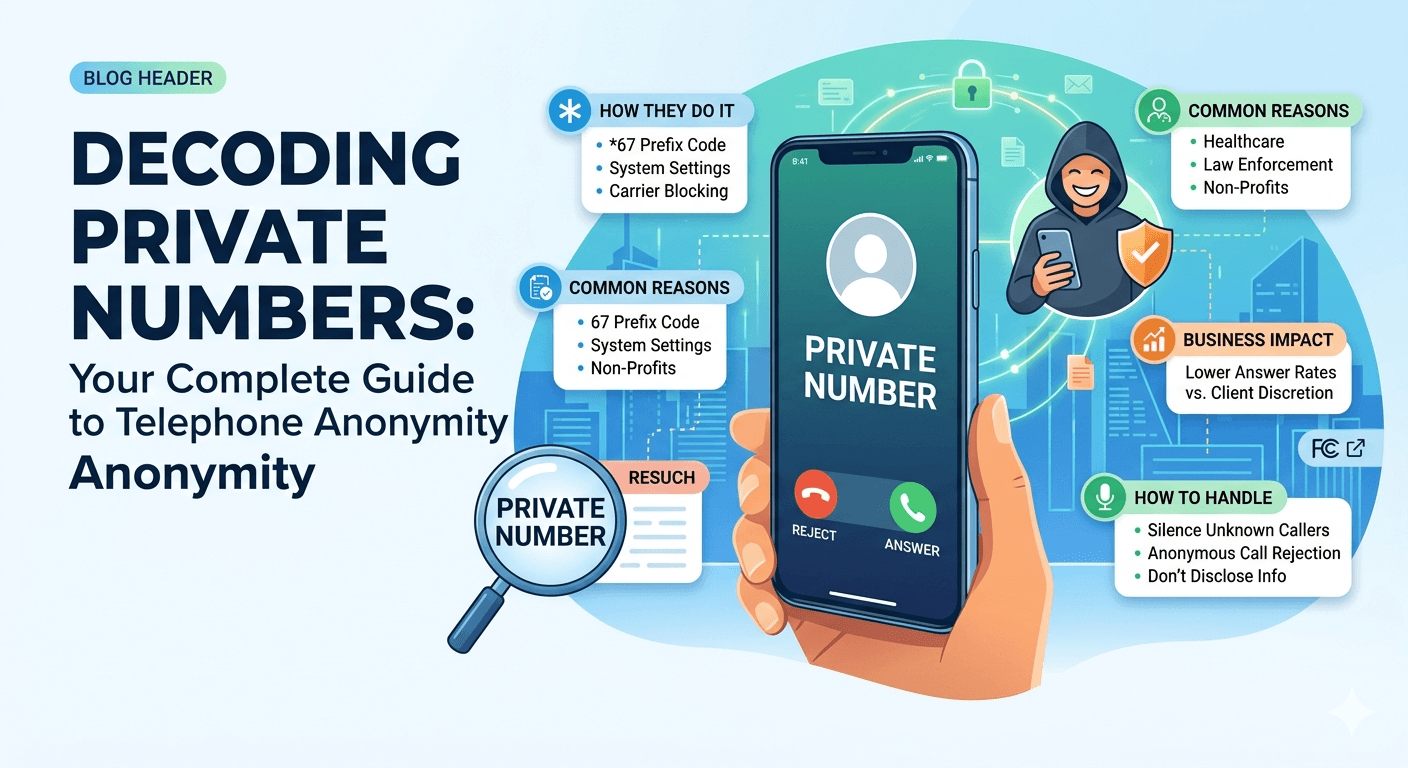
Understanding what do private numbers mean is essential for anyone who uses a mobile phone or landline in the modern digital age. A private number is a caller identity that has been intentionally masked by the caller to prevent the recipient from seeing their specific phone number or contact information. This is achieved through carrier-level settings or by using specific prefix codes before dialing, which instructs the telecommunications network to withhold the Caller Line Identification. When you receive such a call, your device displays a generic label rather than a set of digits, indicating that the caller values their anonymity for professional, legal, or personal reasons.
What Is a Private Number?
The technical reality of what is a private number involves the suppression of the caller’s digital signature during the routing process. Every telephone call carries a packet of data that identifies the source, but privacy features allow users to toggle this data visibility. When a call is set to private, the network still knows the origin for billing and legal purposes, but it replaces the outgoing number with a restricted tag for the end-user. This is a common feature across all major global carriers and is often utilized by individuals who do not want their personal lines recorded in unknown databases or by professionals working from home who wish to keep their residency private.
To understand what does private number mean, one must look at the way modern operating systems handle restricted data. Whether you are using a state-of-the-art smartphone or a legacy landline, the incoming call screen will serve as a gatekeeper. If the caller has chosen to hide their details, the system cannot match the incoming data to any of your saved contacts. This results in the generic label you see on your screen. The private number meaning is rooted in the concept of selective anonymity, allowing for a one-way communication stream where the caller retains control over their digital footprint while still reaching their intended audience.
Many people often ask what is a private number call when they see the notification for the first time. Essentially, it is a standard voice call where the metadata has been filtered. This filtering happens at the exchange level before the signal even reaches your local cell tower. Because the information is stripped away early in the transmission process, your phone does not have the “key” required to unlock the digits. This explains why standard redial features often fail when dealing with these types of calls, as there is no return address stored in the temporary memory of your device’s call log.
The Ring of Mystery: Private Number Meaning
There is a certain psychological weight attached to seeing a restricted caller ID on your screen. Many users feel a sense of hesitation when they encounter what’s a private number because the lack of identity often suggests a lack of accountability. However, the ring of mystery doesn’t always imply something negative. In many instances, high-profile individuals, government officials, or even specialized medical professionals use these settings to ensure they are not hounded by return calls on their direct lines. The mystery is a functional tool used to manage communication flow in a world where everyone is constantly reachable.
When a phone rings with no identifying information, the immediate thought for many is who is private number. While it is impossible to know for sure without answering, the context of your life often provides clues. If you are expecting a call from a large corporation, a debt collection agency, or a government department, there is a high probability that the restricted ID belongs to one of their outbound trunks. These organizations often hide their numbers to prevent their switchboards from being overwhelmed by thousands of simultaneous return calls from consumers who missed the initial contact.
What Private Numbers Reveal
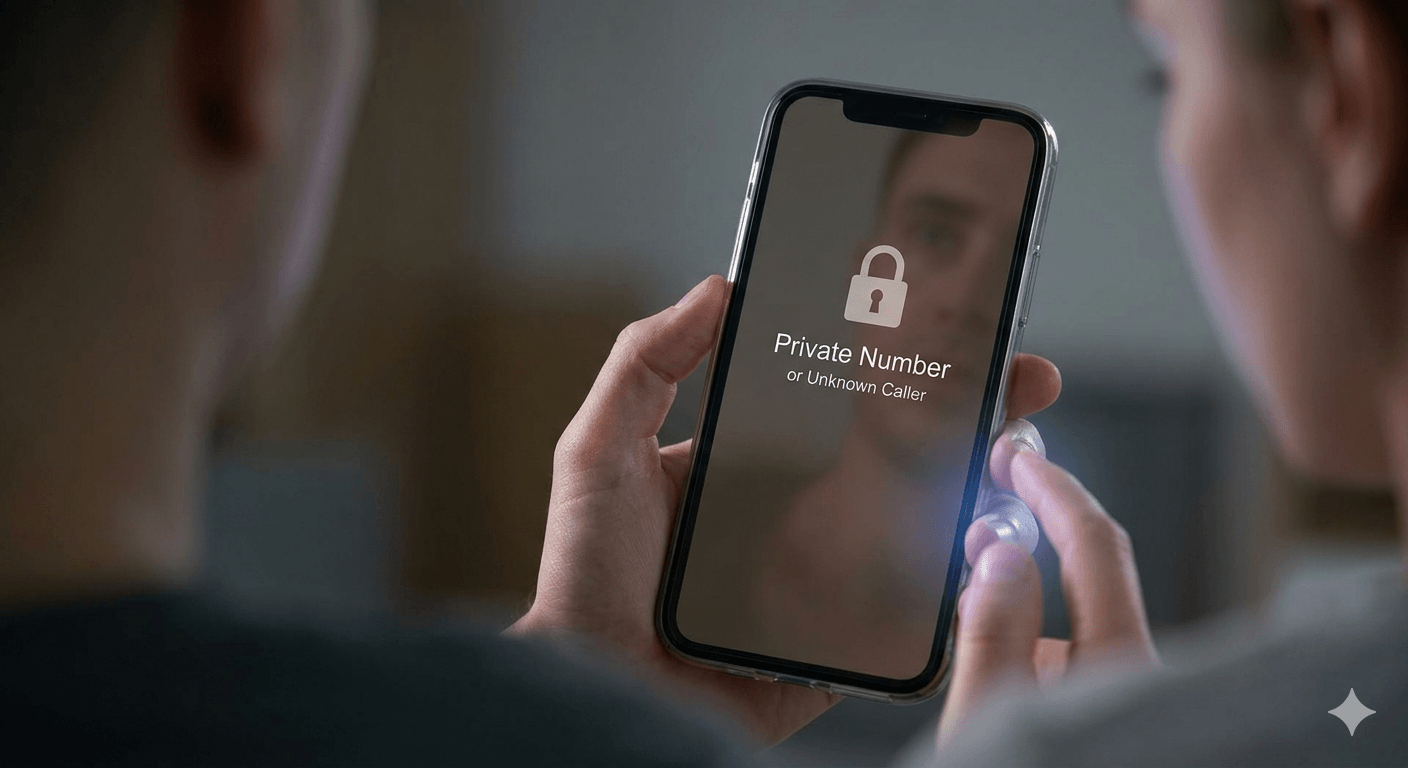
While it might seem contradictory, knowing what do private numbers mean can actually reveal a lot about the caller’s intent. For instance, a call from a private source reveals that the caller is using a sophisticated phone system or has taken a deliberate step to modify their settings. This usually rules out accidental dials from standard residential lines. It reveals a level of intentionality that isn’t present in a typical neighbor-to-neighbor call. Furthermore, it shows that the caller is likely operating within a framework where privacy is a standardized protocol, such as a legal firm or a non-profit organization handling sensitive cases.
In the realm of digital forensics and telecommunications, what is a private number reveals that the service provider supports Caller ID Blocking. Not all regions or smaller carriers allow this feature, so a private call indicates the caller is using a mainstream service provider with advanced privacy features. It also reveals that the caller is likely calling from a region where privacy laws allow for such anonymity. In some countries, the right to hide one’s number is protected by consumer privacy acts, making the appearance of a private number a sign of a regulated and compliant telecommunications environment.
What Private Numbers Hide
The most obvious answer to what does private number mean is that it hides the caller’s geographic location and their specific identity. By masking the area code, the caller prevents the recipient from knowing which city or even which country the call is originating from. This is particularly useful for individuals who are traveling or working remotely and do not want to disclose their current location. It also hides the type of line being used, making it impossible to distinguish between a landline, a mobile phone, or a Voice over Internet Protocol service.
Beyond the digits, what are private numbers hiding is the ability for the recipient to perform a reverse lookup. In an era where a quick internet search of a phone number can reveal a person’s address, social media profiles, and workplace, hiding the number acts as a total shield against “doxing.” This level of secrecy is vital for people in sensitive positions, such as social workers or undercover law enforcement, who must communicate with the public without putting their personal safety or their family’s privacy at risk.
Common Reasons for Private Number Calls
There are several legitimate reasons why someone might use what is a private phone number to reach out to you. One of the most frequent users are professionals in the healthcare industry. Doctors and nurses often call patients from their personal mobile devices when they are away from the office, but they do not want patients to have their private cell numbers for late-night inquiries. By using a private setting, they can provide necessary medical updates while maintaining a clear boundary between their professional duties and their personal lives.
Another common reason involves law enforcement and government agencies. When an officer calls from a station or a personal work-issued device, the number is often set to private to prevent the lines from being traced or harassed by individuals involved in active investigations. Additionally, many non-profit organizations and helplines use private numbers to protect the identity of their volunteers and the people they serve. Understanding what is private number mean in these contexts helps reduce the anxiety often associated with answering an unidentified call.
Difference between a private number and an unknown number
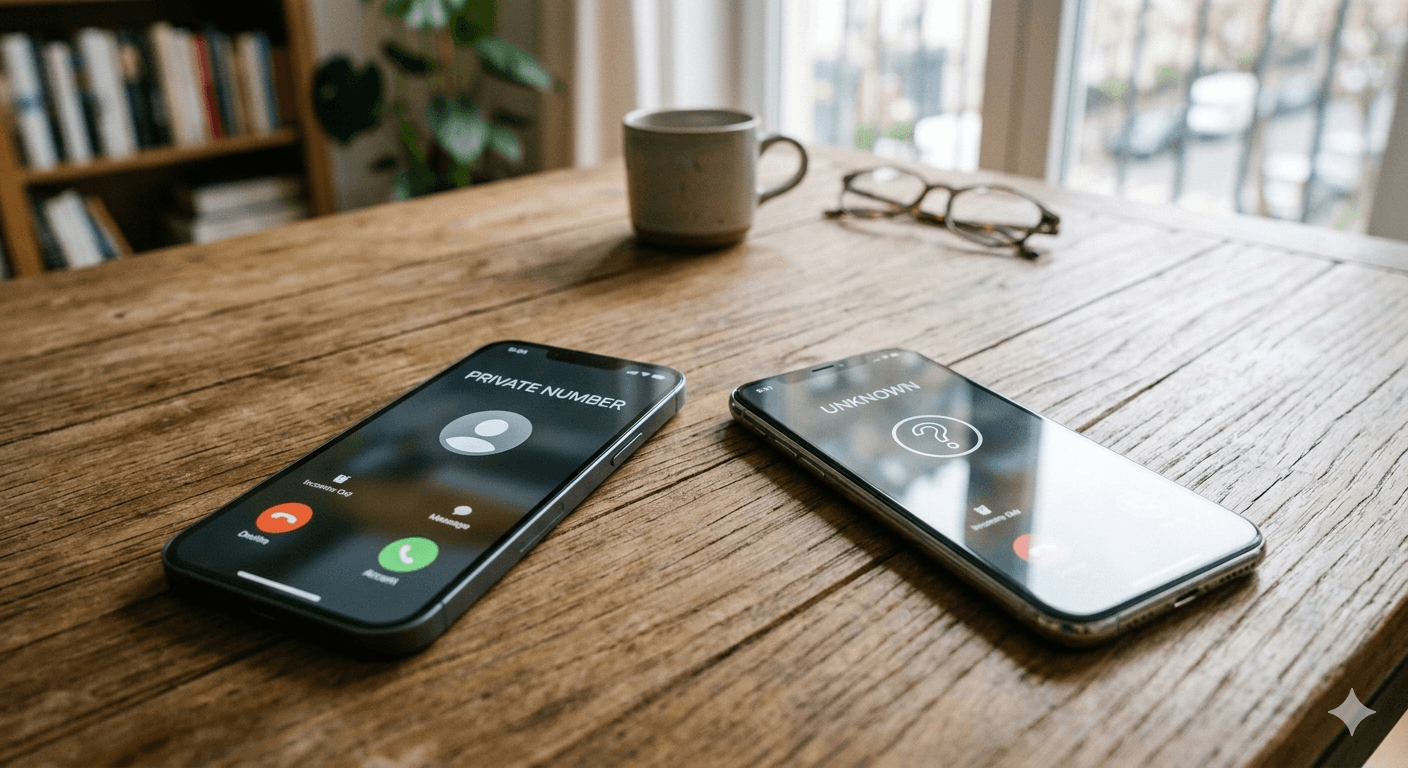
A major point of confusion for many users is the difference between a private number and an unknown number. While they may look similar on a screen, they represent two different technical scenarios. A private number is one where the caller has explicitly chosen to hide their identity. The network has the information but is prohibited from showing it. In contrast, an unknown number usually means that the network itself does not have the information. This often happens with international calls where the protocols between two different countries’ carriers are not fully compatible, causing the caller ID data to be lost in translation.
When you ask what is private number versus unknown, you are looking at the difference between a deliberate choice and a technical failure. An unknown number might also be the result of a very old analog switchboard that simply doesn’t have the hardware to transmit digital caller ID packets. Research into telecommunications infrastructure shows that as networks upgrade to 5G and fiber optics, “unknown” calls are becoming rarer, while “private” calls remain constant because they are a user-defined preference. This distinction is important for security, as unknown calls are statistically more likely to be automated spam from overseas.
How does using a private number affect your business?
For a modern company, deciding whether to use a private line can have significant consequences on customer trust. Many consumers are trained to ignore calls that don’t show a clear identity. If a business uses what is a private phone number for its outbound sales or support teams, it may see a drastic drop in answer rates. In a study conducted by Pew Research, it was found that approximately 80% of Americans do not answer calls from numbers they do not recognize, and that percentage increases when the number is explicitly hidden.
However, for specific niche businesses, the use of a private number is a standard part of the service. High-end concierge services, private investigators, and legal advisors often use restricted IDs to maintain the discretion that their clients pay for. The key for these businesses is to inform the client ahead of time that the call will appear as private. This pre-communication mitigates the risk of being ignored and ensures that the professional relationship remains secure. Without that prior notice, the use of a hidden ID can make a legitimate business appear suspicious or unprofessional.
Alternatives to using private numbers
If you are a business owner worried about what do private numbers mean for your reputation, there are several effective alternatives. Instead of hiding your number, you can use a “Verified Caller ID” service. This technology allows your business name and logo to appear on the recipient’s screen, even if they don’t have you in their contacts. This significantly boosts answer rates and builds immediate brand recognition. It provides the security of knowing who is calling without the cold, anonymous feel of a restricted number.
Another alternative is the use of virtual phone numbers. These numbers can be routed to any device but display a professional office number rather than your private cell phone digits. This solves the privacy issue for remote workers while still giving the customer a number they can call back. Virtual landlines are increasingly popular because they allow for features like automated assistants and call recording, which a standard private mobile call cannot provide. This approach offers the best of both worlds: privacy for the caller and transparency for the recipient.
How to Handle Private Number Calls
When your phone lights up with a notification of what is a private number call, the best approach is often one of caution. If you are not expecting a call from a professional who uses a restricted line, it is perfectly acceptable to let the call go to voicemail. Legitimate callers who have a real reason to reach you will leave a detailed message and likely provide a call-back number. This allows you to vet the caller before engaging in a live conversation, which is a primary defense against potential telemarketing or social engineering scams.
For those who frequently receive these calls, it may be worth investigating what does private number mean on android or iOS settings to manage them more effectively. Both platforms offer “Silence Unknown Callers” features that automatically send any unrecognized or restricted call directly to voicemail without ringing your phone. This is a powerful tool for reclaiming your peace of mind and ensuring that your day is not interrupted by anonymous distractions. By taking control of how your device handles these signals, you reduce the power that anonymous callers have over your time.
The Hidden Risk of Private Numbers
While many private calls are legitimate, there is a hidden risk associated with the anonymity they provide. Scammers often use what are private number calls to bypass the filters that would normally catch a known fraudulent number. Because there is no specific digits to report, it is harder for carriers to block these actors across the entire network. This creates a loophole that some bad actors exploit to conduct phishing attempts, where they pretend to be from a government agency like the IRS or a local utility company to steal personal information.
According to a report from the Federal Communications Commission (FCC), the rise in sophisticated spoofing and identity masking has led to billions of dollars in losses for consumers annually.
The danger of what’s the private number lies in the fact that the recipient cannot verify the caller’s claims through a simple search. This is why you should never provide sensitive data, such as your social insurance number or bank passwords, over a call that originated from a private or restricted source, regardless of how convincing the person on the other end might sound.
Is it a crime to call with a hidden number?
Many people wonder if it is a crime to hide your identity while making a call. In most democratic countries, using a private number is a legal right tied to consumer privacy. There is nothing inherently illegal about choosing to mask your caller ID. However, the legality changes when that anonymity is used for malicious purposes. Harassment, stalking, or making threats from a hidden number are serious criminal offenses. Law enforcement has the tools to “unmask” these calls by working with service providers to trace the origin of the signal back to the specific device and owner.
In the context of what is private number mean, it is a tool that is legal until abused. For example, the Truth in Caller ID Act in the United States makes it illegal for anyone to transmit misleading or inaccurate caller ID information with the intent to defraud, cause harm, or wrongly obtain anything of value. So, while hiding your number for privacy is fine, using a private number to trick someone into thinking you are a government official is a federal crime. The anonymity is a shield for your privacy, not a cloak for criminal activity.
Is it possible to know who is calling me on a hidden number?
One of the most common questions is what does it mean when a private number calls you and can you find out who it was. For the average user, there is no built-in way to unmask a private call on a standard smartphone. However, there are third-party services and specialized apps that can reveal the identity of restricted callers. These services work by “rejecting” the call and then rerouting it through their own toll-free lines, which are legally allowed to see the caller ID data. Once the number is captured, the service sends it back to you, effectively unmasking the private caller.
Furthermore, if you are being harassed, your service provider can assist through a process often called “Call Trace.” By dialing a specific code (like *57 in North America) immediately after a missed call from private number, the provider logs the call details and sends them directly to a law enforcement database. While you won’t see the number yourself, the police can use this data to take legal action against the harasser. This ensures that even though a number is “private,” it is never truly invisible to the authorities or those with the right technical tools.
How can I call on a hidden number?
If you find yourself needing to make a call while protecting your identity, knowing how do you call through a private number is quite simple. The most common method is using a prefix code. In the United States and Canada, dialing *67 before the phone number will temporarily hide your identity for that specific call. For those in the UK, the code is 141. This is a free service provided by the network and is the easiest way to ensure your number does not show up on the recipient’s caller ID.
For a more permanent solution, you can explore how do you hide calls from a mobile through your phone’s internal settings. On an iPhone, you can go to Settings > Phone > Show My Caller ID and toggle the switch to the off position. Android users can usually find a similar setting under the Call settings menu within the Phone app. This will make all your outbound calls appear as private by default. It is a useful feature for people who work in fields like journalism or private consulting where every outbound reach must be handled with the utmost discretion.
How do you block private numbers?
If you are tired of the constant interruptions and want to know how do you block private numbers, you have several effective options. Most modern smartphones have a built-in “Do Not Disturb” or “Silence Unknown Callers” mode that can be configured to ignore any call that isn’t in your contact list. This effectively blocks private numbers from ringing your phone. While they can still leave a voicemail, you won’t be bothered by the actual vibration or ringtone, allowing you to check your messages on your own schedule.
Are there more ways to block your number or incoming private calls? Yes, many telecommunications companies offer a service called “Anonymous Call Rejection.” When this is activated on your line, any caller who has their identity masked will hear an automated message stating that the person they are calling does not accept anonymous calls. The caller is instructed to unmask their number and try again if they wish to get through. This is one of the most effective ways to stop private number calls because it forces the caller to be transparent if they want to speak with you.
Final Thought
Gaining a complete understanding of what do private numbers mean empowers you to handle your digital communications with confidence and security. While the lack of a caller ID can be frustrating, recognizing that it is often a tool for professional discretion or personal safety helps demystify the experience. By utilizing the built-in features of your smartphone and understanding the protocols of your service provider, you can protect yourself from potential scams while remaining accessible to those who have a legitimate need to reach you. In the end, privacy is a valuable commodity in our hyper-connected world, and private numbers are just one of the many ways we manage our boundaries in the digital landscape.
Private number FAQs
What does it mean if I get a call from a private number?
A call from a private number means that the person or organization calling has intentionally chosen to hide their phone number from your caller ID. This is often done for privacy or professional reasons by doctors, lawyers, or government agencies. It signifies that the caller’s identity is being withheld by the network at their request.
Should I answer calls from private numbers?
There is no single right answer, but generally, it is safer to let the call go to voicemail. If the caller is legitimate and has an important reason to reach you, they will leave a message and a way to contact them back. If you do choose to answer, avoid giving out any personal or financial information until you have verified who the person is.
What is the purpose of private numbers?
The main purpose is to protect the caller’s privacy. This is essential for individuals who do not want their personal numbers stored in databases, for professionals who want to maintain boundaries between work and home, and for people in sensitive or dangerous situations who need to communicate without being tracked.
Does 69 work on private numbers?
No, the 69 feature, which is used to call back the last person who called you, typically does not work for private or restricted numbers. Since the network has been instructed to hide the number from the recipient’s equipment, the automated system cannot retrieve the digits to initiate a return call.
How do you block private numbers?
You can block them by using the Silence Unknown Callers feature in your iPhone or Android settings. Additionally, many service providers offer an Anonymous Call Rejection service that automatically blocks any incoming call that has a hidden caller ID, forcing the caller to show their number to proceed.
How do you call through a private number?
You can make a private call by dialing a prefix code like 67 (in the US) before the phone number you are trying to reach. You can also change your permanent settings on your smartphone under the phone menu to hide your caller ID for all outgoing calls by default.
How do you hide calls from a mobile?
To hide your caller ID on a mobile device, navigate to your phone settings, select the phone or call menu, and look for an option that says “Show My Caller ID.” By turning this off, your number will appear as private or restricted to anyone you call from that device moving forward.
Are there more ways to block your number?
Yes, besides using prefix codes or phone settings, you can ask your service provider to permanently block your outgoing caller ID at the account level. Some third-party apps also offer the ability to mask your number by routing your calls through their servers, providing an extra layer of digital anonymity.