A virtual receptionist for small business provides a professional interface between a company and its callers without the high overhead of a full-time in-house employee. This service manages incoming calls, schedules appointments, and handles basic customer inquiries using either live agents or advanced automated systems. By utilizing the best virtual receptionist for small business, owners ensure they never miss a lead, even after hours. These virtual receptionist service for small business providers integrate seamlessly with existing phone systems, offering a cost-effective solution that scales with business growth while maintaining a consistent and reliable brand image for every caller.
Understanding the Core Functions of a Virtual Receptionist
The role of a virtual receptionist has evolved significantly from simple call answering to a comprehensive suite of communication tools. At its core, a virtual reception service acts as the first point of contact for anyone reaching out to your company. These professionals or systems handle call screening, which involves identifying the caller and the purpose of their call before transferring them to the appropriate department. This ensures that business owners and their teams are not interrupted by spam calls or low-priority inquiries, allowing them to focus on high-value tasks. Beyond just answering, a virtual receptionist service often manages complex tasks such as scheduling appointments directly into a business calendar, processing basic orders, and providing information about business hours or location.
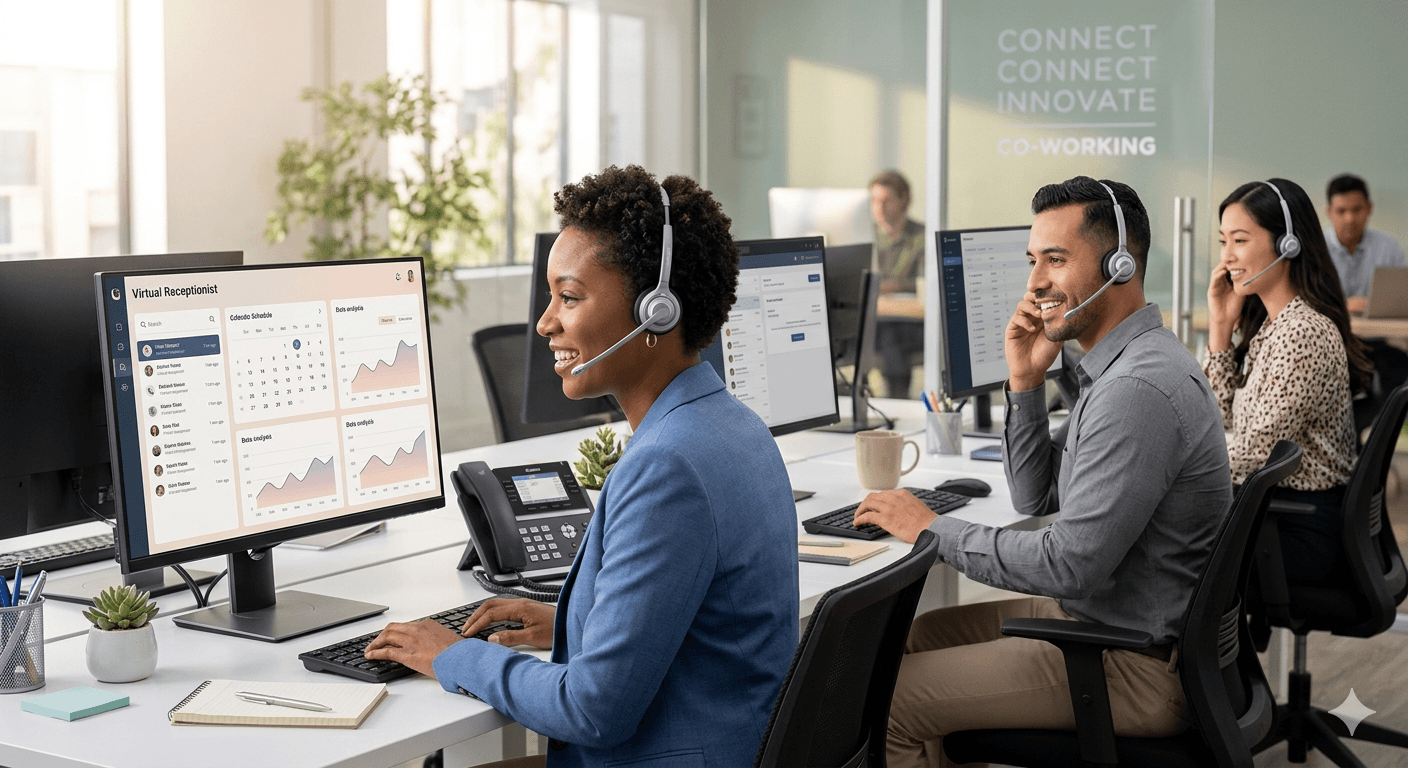
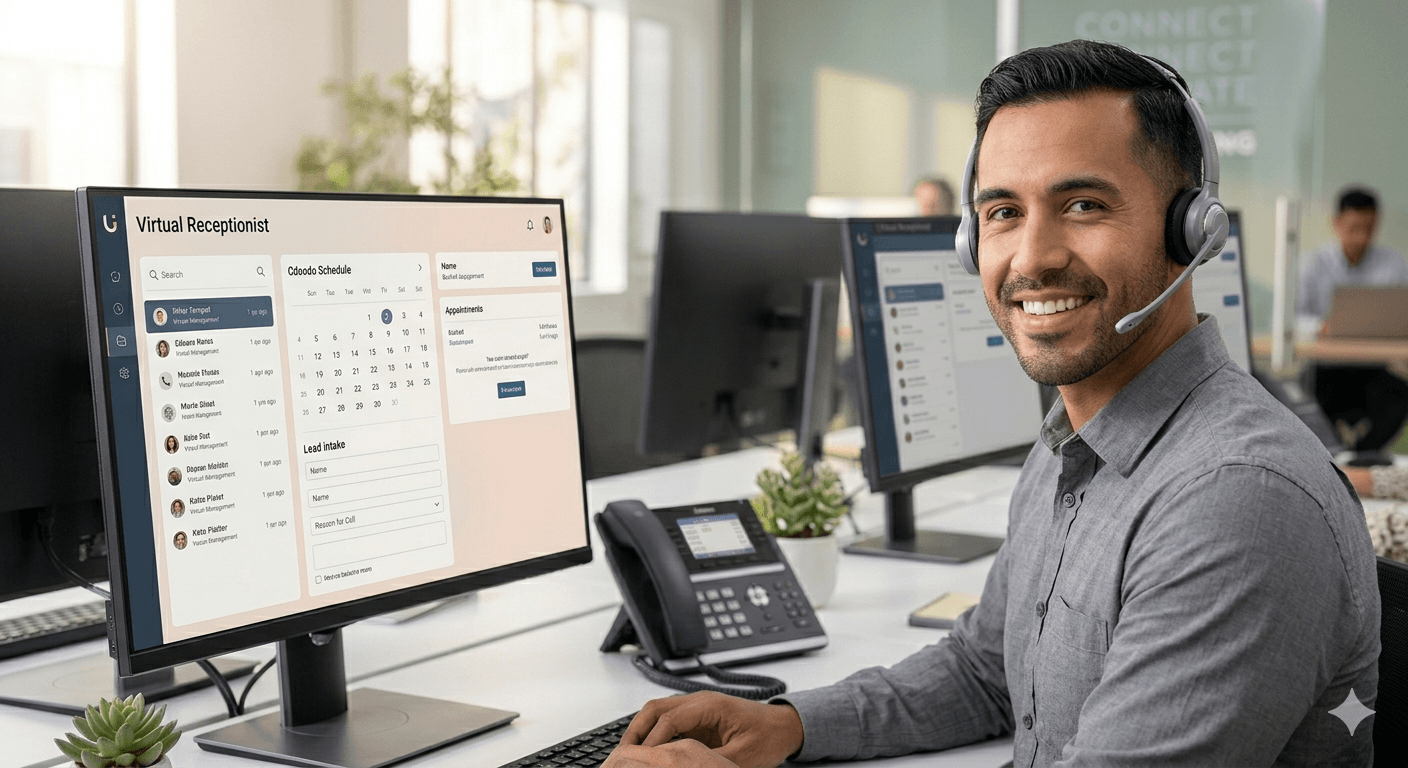
For many organizations, the implementation of virtual receptionist services replaces the need for a physical front desk. This is particularly beneficial for remote teams or businesses that operate out of coworking spaces. A virtual phone assistant can take messages that are instantly transcribed and sent via email or text, ensuring that no information is lost in transition. Modern technology allows these services to appear as if they are sitting right in your office. When a call comes in, the virtual receptionists see your business name and specific instructions on their screen, allowing them to answer with a customized greeting that reflects your brand identity.
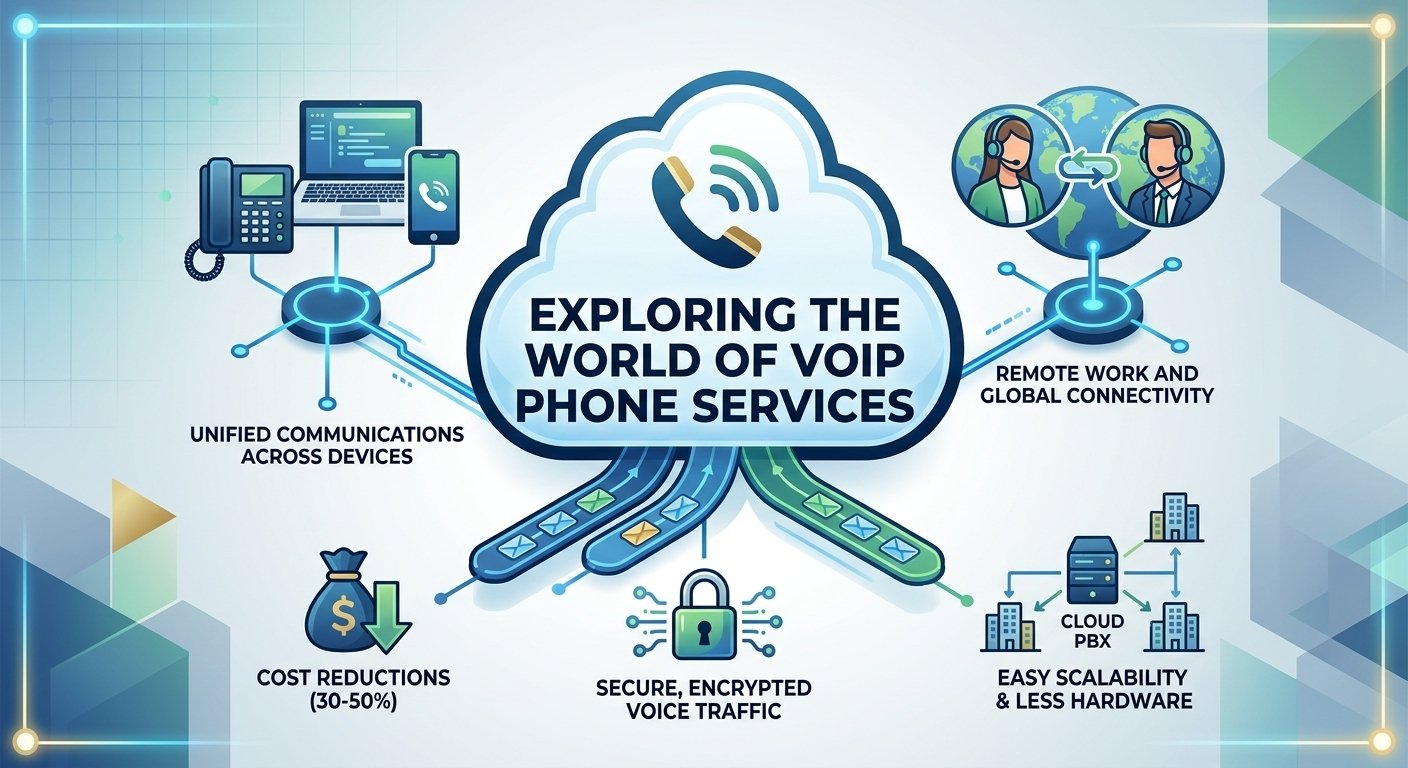
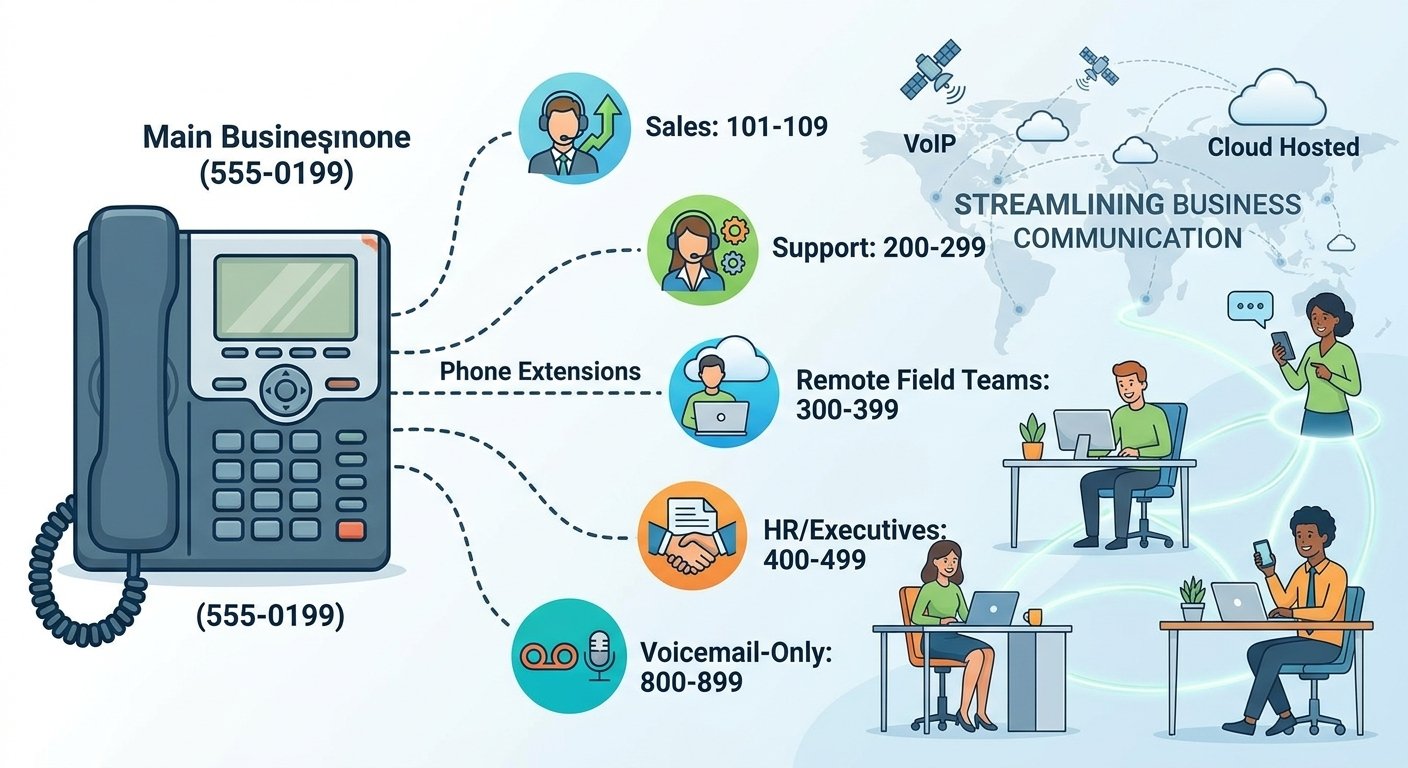
The technological backbone of these services often relies on a virtual receptionist phone system or a voip virtual receptionist setup. These systems allow for seamless call routing across different geographical locations. For example, if a small business owner is out in the field, the virtual receptionist for business can patch the call through to their mobile device or take a detailed message if the owner is unavailable. This flexibility is what makes virtual reception a cornerstone of modern business communications, providing a level of professionalism that was once only available to large corporations with massive administrative budgets.
Advantages of Using a Virtual Receptionist for Small Business
One of the most immediate benefits of adopting a virtual receptionist for small business is the significant reduction in administrative costs. Hiring a full-time, on-site employee requires not only a competitive salary but also benefits, taxes, office space, and equipment. In contrast, a small business virtual receptionist service operates on a subscription or pay-as-you-go model, which allows companies to pay only for the time or calls they actually use. This financial flexibility is crucial for startups and seasonal businesses that may experience fluctuations in call volume throughout the year.
According to research conducted by BT Business, nearly 85% of people whose calls go unanswered or reach a generic voicemail will not call back. Instead, they immediately contact a competitor. This data highlights that for a small business, a virtual receptionist serves as a critical revenue-protection tool, ensuring that every lead is captured in real-time.
Professionalism is another major factor that drives businesses toward these solutions. Even the smallest one-person operation can sound like an established firm when calls are handled by an expert virtual receptionist. First impressions are vital in the competitive marketplace, and a live virtual receptionist service ensures that every caller hears a friendly, professional voice rather than a generic voicemail greeting. This builds trust with potential clients and reinforces the credibility of the business. Furthermore, many services offer 24/7 coverage, meaning that a virtual receptionist small business can capture leads and assist customers in different time zones or during late-night hours.
- Improved customer retention is achieved because callers are less likely to hang up when they reach a person. A live virtual receptionist can offer immediate assistance or reassurance that their message will be handled, which prevents them from calling a competitor.
- Enhanced productivity for the internal team occurs when they are no longer tethered to the phone. By utilizing a virtual receptionist assistant, staff can dedicate their full attention to deep work and project completion without the distraction of constant ringing.
- Better data management is possible through integrated virtual receptionist software. Most services log every call, providing details on call duration, frequency, and common inquiries, which helps business owners make informed decisions about their marketing and operations.
Evaluating the Best Virtual Receptionist for Small Business
Choosing the best virtual receptionist for small business requires a careful analysis of your specific needs and the features offered by various providers. Not all services are created equal; some focus purely on automated reception while others provide highly trained live agents. A business virtual receptionist that offers live interaction is often preferred for service-based industries like law firms or medical practices where empathy and detailed intake are necessary. On the other hand, an automated receptionist system might be sufficient for a tech company that primarily needs to route calls to different technical support tiers.
When evaluating virtual receptionist companies, it is important to look at their integration capabilities. The most effective systems connect directly with your CRM, calendar apps, and communication platforms like Slack or Microsoft Teams. For instance, a virtual receptionist microsoft teams integration allows your staff to receive notifications about incoming calls directly within their existing workflow. Additionally, consider the geographical location of the service. A virtual receptionist usa based provider might be preferable for businesses with a domestic client base to ensure cultural alignment and lack of language barriers, though many companies now offer multilingual virtual receptionist telephone answering service options to cater to global audiences.
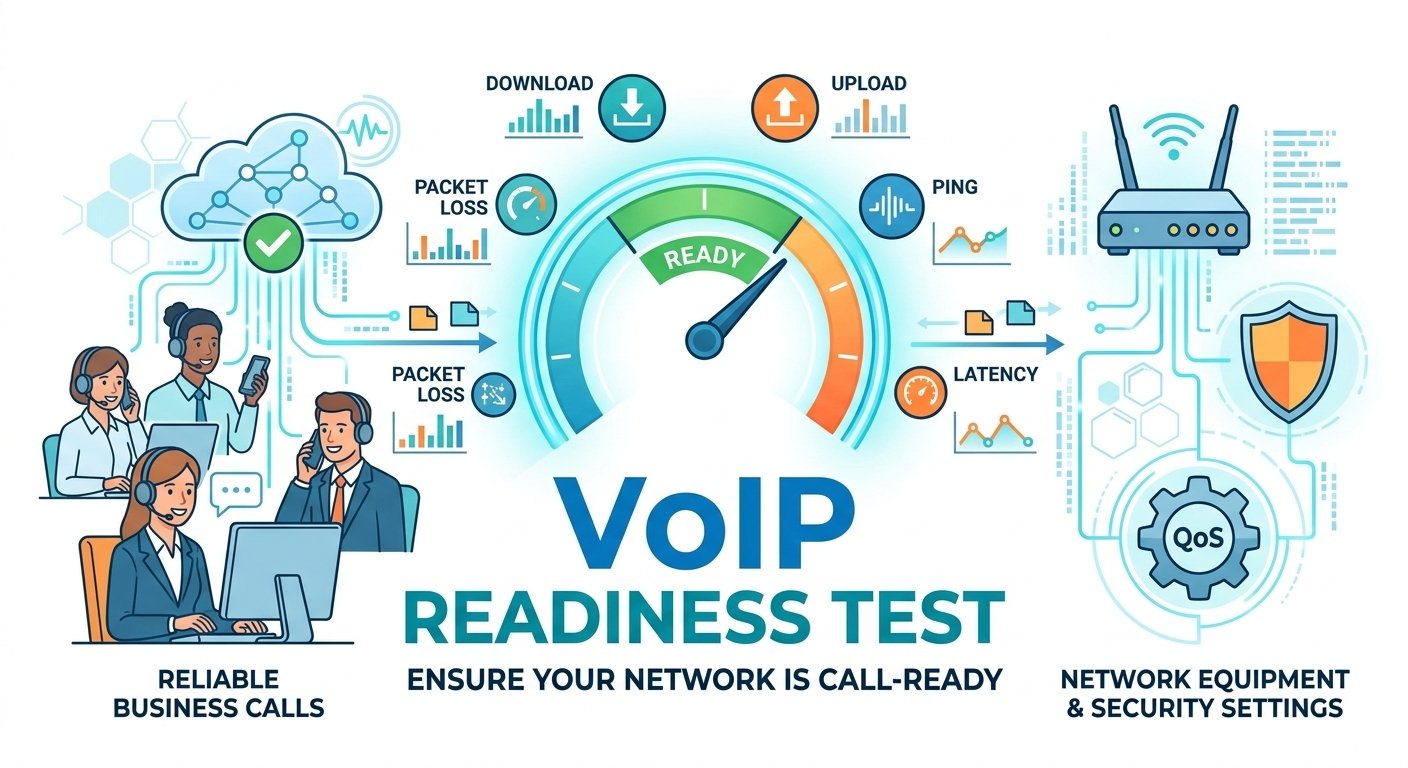
Reliability and uptime are also critical factors. An offsite receptionist is only useful if the technology behind the service is robust. High-quality providers use redundant servers and secure connections to ensure that your business stays connected even during local power outages or internet failures. It is also worth looking into virtual receptionist solutions that offer on-camera virtual receptionist features for businesses that want a face-to-face interaction at their physical office lobby via a tablet or kiosk. This digital receptionist approach combines the benefits of remote work with the presence of a traditional front desk.
Comparing Virtual Receptionists and Virtual Assistants
It is common for business owners to confuse a virtual receptionist with a virtual assistant, but they serve different primary functions. A virtual assistant receptionist might overlap in some areas, but generally, a receptionist is focused on the front-end communication and immediate call handling. Their task is to be the voice of the company and manage the flow of incoming traffic. They are specialized in quick interaction, call routing, and basic administrative tasks related to phone calls. A virtual receptionist system is built for speed and high-volume handling.
In contrast, a virtual assistant usually handles a broader range of back-office tasks. This might include social media management, data entry, research, or email marketing. While they may answer phones, it is not their primary specialization. A virtual assistant phone system is often more personalized, where the assistant works closely with one or two clients rather than a whole company. For a small business, a virtual receptionist service for small business is often the first step in outsourcing because it addresses the most immediate pain point: the phone constantly ringing and interrupting the workday.
- Scope of Work: A virtual receptionist focuses on real-time call management and immediate customer service, whereas a virtual assistant manages long-term projects and varied administrative duties.
- Availability: Virtual receptionists often work in teams to provide constant coverage, while a virtual assistant typically works set hours and may not be available for every incoming call.
- Cost Structure: Receptionist services are often billed by the minute or by the call, making them a scalable virtual receptionist service for small business, while assistants are usually paid by the hour.
Key Features of a Virtual Receptionist Service for Small Business
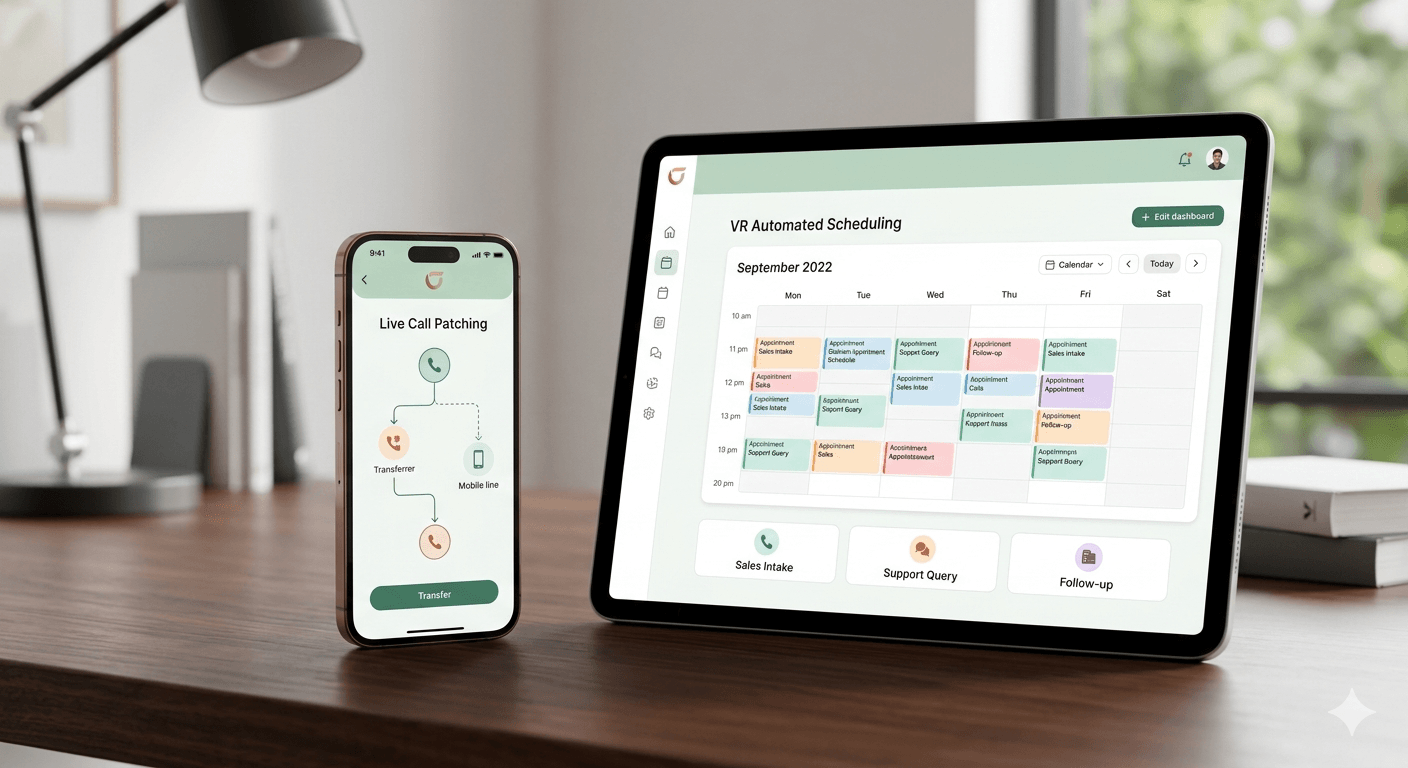
A comprehensive virtual receptionist service for small business includes features that go far beyond simple call transferring. One of the most sought-after tools is virtual receptionist scheduling. This allows the receptionist to access your calendar in real-time and book appointments for clients without you having to intervene. This feature is particularly useful for field services, medical offices, and consultants. By the time you check your email, your day is already organized with new appointments, and the client has received a confirmation, all handled by the remote receptionist service.
Another essential feature is the auto receptionist or automated phone answering system. While live interaction is great, sometimes an automated phone receptionist is better for after-hours or for simple menu navigation. A sophisticated automated reception system uses natural language processing to understand caller intent and direct them to the right place. Some businesses use a hybrid approach where a business auto attendant greets the caller and offers options, but a live virtual receptionist service is available if the caller needs human assistance. This ensures efficiency while maintaining a high level of customer care.
- Customized greetings allow the business to maintain its unique voice. The virtual receptionist for business will use specific scripts approved by the owner to ensure consistency in branding.
- Call screening and discovery help in filtering out solicitors. The receptionist virtual can ask specific qualifying questions before passing the call to a sales representative.
- Message delivery options ensure that staff receive information via their preferred channel, whether it is an online portal, a mobile app, or a direct SMS.
The Technological Evolution of Automated Receptionist Systems
The landscape of virtual reception has been transformed by artificial intelligence and cloud computing. We are now seeing the rise of the ai-powered virtual receptionist, which can handle complex conversations that were previously only possible for humans. These ai receptionist companies provide systems that can understand accents, intent, and even the sentiment of a caller. An ai-based virtual receptionist round-the-clock support system ensures that even at 3:00 AM, a customer can get answers to basic questions or leave a structured message that is ready for follow-up in the morning.
For businesses looking for affordable multilingual ai receptionist options for small businesses, these AI systems are a game-changer. They can switch between languages instantly, providing a seamless experience for a diverse customer base. Furthermore, the integration of conversational virtual receptionist technology means that the interaction feels natural rather than robotic. These systems are constantly learning from interactions, which improves their accuracy and helpfulness over time. The use of an electronic receptionist or a digital receptionist in a physical office space is also becoming more common, where a touch screen greets visitors and notifies employees of their arrival.
Research from the Small Business Administration suggests that nearly 60 percent of customers will hang up if they are greeted by a confusing automated machine or a system that does not offer a clear path to help. This highlights the importance of choosing a virtual receptionist system that is user-friendly and efficient. Additionally, a study by the Society for Human Resource Management indicates that the total cost of a single bad hire for an administrative role can exceed several thousand dollars. By utilizing a virtual receptionist service, small businesses mitigate the risk of turnover and the costs associated with training new on-site staff.
Cost Considerations for Virtual Receptionist Services
When looking for the virtual receptionist service for small business, pricing is often a top priority. Most providers offer tiered plans based on call volume or minutes used. For instance, some companies offer virtual receptionist pay as you go models, which are ideal for very small businesses or those just starting out. This ensures you are not paying for idle time. On the higher end, dedicated virtual receptionist services provide you with a specific person or a small team that learns your business inside and out, which is reflected in a higher monthly retainer.
A study published by Small Business Trends indicates that small businesses can save up to 78% on operating costs by switching from an in-house administrative employee to a virtual service provider. These savings are calculated by eliminating expenses related to payroll taxes, healthcare benefits, paid time off, and the overhead of physical office space and equipment.
There are many best virtual receptionist services under $300 per month that provide a robust set of features including 24/7 answering and basic scheduling. For trades and field services, affordable virtual receptionist options for trades might focus more on dispatching and emergency call handling. It is also important to consider the hidden costs of not having a service. Every missed call is a missed opportunity, and for many small businesses, a single lost contract could have paid for an entire year of virtual receptionist services.
- Setup Fees: Some companies charge a one-time fee to program your scripts and integrate your calendars into their virtual receptionist software.
- Overage Charges: It is important to monitor your usage to avoid high per-minute costs if you exceed your monthly plan.
- Add-on Features: Specialized tasks like outbound calling, extensive lead qualification, or managing a virtual secretary answering service may come with additional costs.
Virtual Receptionist Use Cases Across Different Industries
Different industries utilize virtual receptionist for small business in various ways to suit their operational needs. In the legal sector, a confidential virtual receptionist is essential for handling sensitive client information and conducting initial intake interviews. These receptionists are often trained in legal terminology and understand the importance of attorney-client privilege. In the medical field, a virtual receptionist for business helps in managing appointments and providing basic information about insurance and location, allowing medical staff to focus on patient care.
Field services, such as plumbing, HVAC, and electrical companies, rely heavily on virtual receptionist for field services. These businesses are often on the move, and answering a phone while on a job site is difficult and unprofessional. A remote receptionist service can take the call, determine the urgency of the issue, and schedule a technician based on their GPS location or existing schedule. This ensures that the business continues to run smoothly even when the owner is physically busy.
Tech companies also benefit from specialized virtual receptionists for tech company. These receptionists can handle basic troubleshooting or route technical support calls to the correct department based on the product or service mentioned by the caller. This initial layer of call answering service virtual receptionist helps in managing high volumes of inquiries during product launches or system updates. Even retail and e-commerce businesses use virtual receptionist telephone answering service to handle order tracking inquiries and return requests, providing a human touch to an otherwise digital experience.
Enhancing Customer Experience with a Live Virtual Receptionist
While automation has its place, the live virtual receptionist service remains the gold standard for customer experience. A conversational receptionist can pick up on social cues and provide a level of empathy that machines still struggle to replicate. When a customer calls with a complaint or an urgent problem, hearing a calm, professional voice can immediately de-escalate the situation. This human connection is a vital part of building a loyal customer base for any small business.
The most reliable ai voice for virtual receptionist duties is getting better, but for high-stakes interactions, nothing beats a live person. A live virtual receptionist can also perform outbound tasks, such as calling to confirm appointments or following up on leads that were generated through a website contact form. This proactive approach to customer service turns the receptionist from a passive call-handler into an active member of the sales and retention team. By integrating a live receptionist for small business, companies ensure that their clients feel valued and heard at every point of contact.
Selecting the Right Virtual Receptionist Software and Systems
The software used to manage your virtual reception desk is just as important as the person answering the phone. Modern virtual receptionist software provides a dashboard where business owners can see call logs in real-time, update their status, and change their call routing rules on the fly. For example, if you are heading into a meeting, you can toggle a switch in the app to tell your virtual telephone receptionist to take messages instead of trying to transfer calls.
Choosing between a virtual receptionist vs virtual assistant or a virtual receptionist vs automated phone service depends on the complexity of your workflow. For many, a voip virtual receptionist integrated with a unified communications platform like Nextiva or Vonage provides the best balance of features and reliability. These platforms often include business auto attendant features that work in tandem with live agents. Furthermore, for those looking for specialized integrations, looking into shopware virtual receptionist services or similar niche providers can offer tailored solutions for specific e-commerce or retail platforms.
Read More: What is Call Flow: Understanding Call Flow Meaning, Benefits and Setup
Final Thought
Adopting a virtual receptionist for small business is a strategic move that enhances professional image, improves operational efficiency, and ensures that every customer interaction is handled with care. Whether you choose a live virtual receptionist service or an advanced ai-powered virtual receptionist, the benefits of never missing a call and freeing up your internal team are invaluable. As technology continues to evolve, the best virtual receptionist for small business will be the one that seamlessly integrates with your existing tools while providing a consistent, high-quality experience for your callers. Investing in a virtual receptionist service for small business is not just about answering phones; it is about building a foundation for sustainable growth and superior customer service in an increasingly digital world.
FAQs
-
What tasks can a virtual receptionist handle?
A virtual receptionist can manage a wide variety of administrative duties centered around communication. Their primary responsibilities include answering incoming calls, screening and routing calls to the correct person, and taking detailed messages. Many services also offer scheduling where the receptionist books appointments directly into the business owner’s calendar. They can also provide basic information to callers, such as business hours, pricing, and directions, and in some cases, they can even process simple orders or qualify leads by asking specific discovery questions.
-
How can Virtual Receptionist improve customer service?
By ensuring that every call is answered by a professional, a virtual receptionist eliminates the frustration of reaching a voicemail or hearing a busy signal. This immediate response makes customers feel valued and attended to. Live virtual receptionists can offer a personalized touch, addressing callers by name and providing empathetic responses to their inquiries or concerns. This level of responsiveness builds trust and reliability, which are key components of a positive customer experience and long-term brand loyalty.
-
Can VBC Virtual Receptionist handle multiple languages?
Yes, many modern virtual receptionist services, including those integrated with systems like Vonage Business Communications (VBC), offer multilingual support. This is particularly beneficial for businesses operating in diverse areas or those serving a global clientele. These services often have dedicated agents fluent in several languages, or they use advanced AI translation and routing to ensure that the caller is paired with a receptionist who speaks their preferred language, ensuring clear and effective communication.
-
How secure is VBC Virtual Receptionist?
Security is a top priority for reputable virtual receptionist providers. They use encrypted communication channels to handle all call data and personal information. Most services are compliant with industry standards such as HIPAA for medical offices or other data protection regulations like GDPR. Access to call logs and messages is typically restricted through secure, password-protected portals, ensuring that sensitive business and client information remains confidential and is only accessible to authorized personnel.
-
Is it difficult to set up a virtual receptionist system?
Setting up a virtual receptionist for small business is generally a straightforward process. Most providers offer a cloud-based setup that does not require any new hardware. You simply port your existing business number or get a new one, and then use an online dashboard to create your call-handling scripts and routing rules. Integration with your existing calendars and CRMs is usually done via simple API connections or built-in plugins, and most companies provide support teams to help you through the initial configuration.