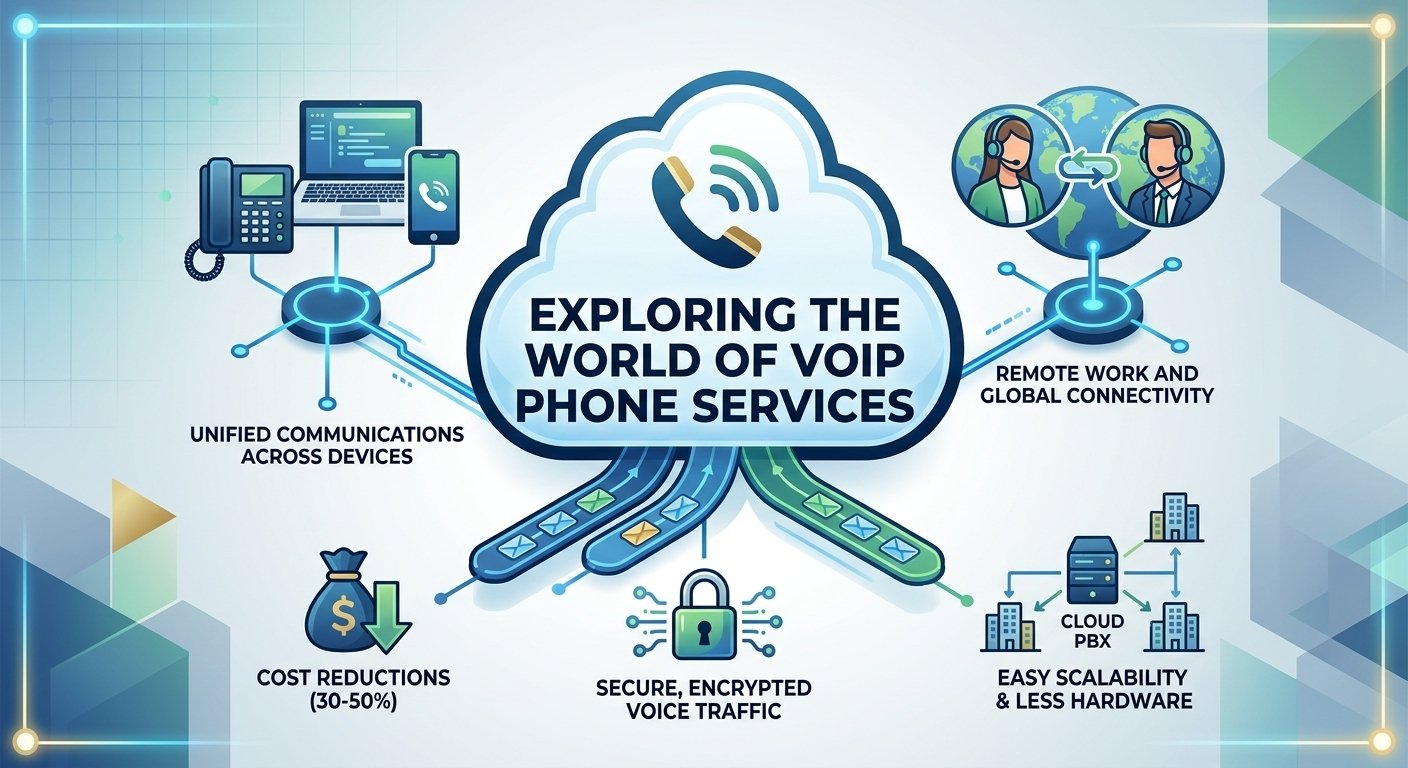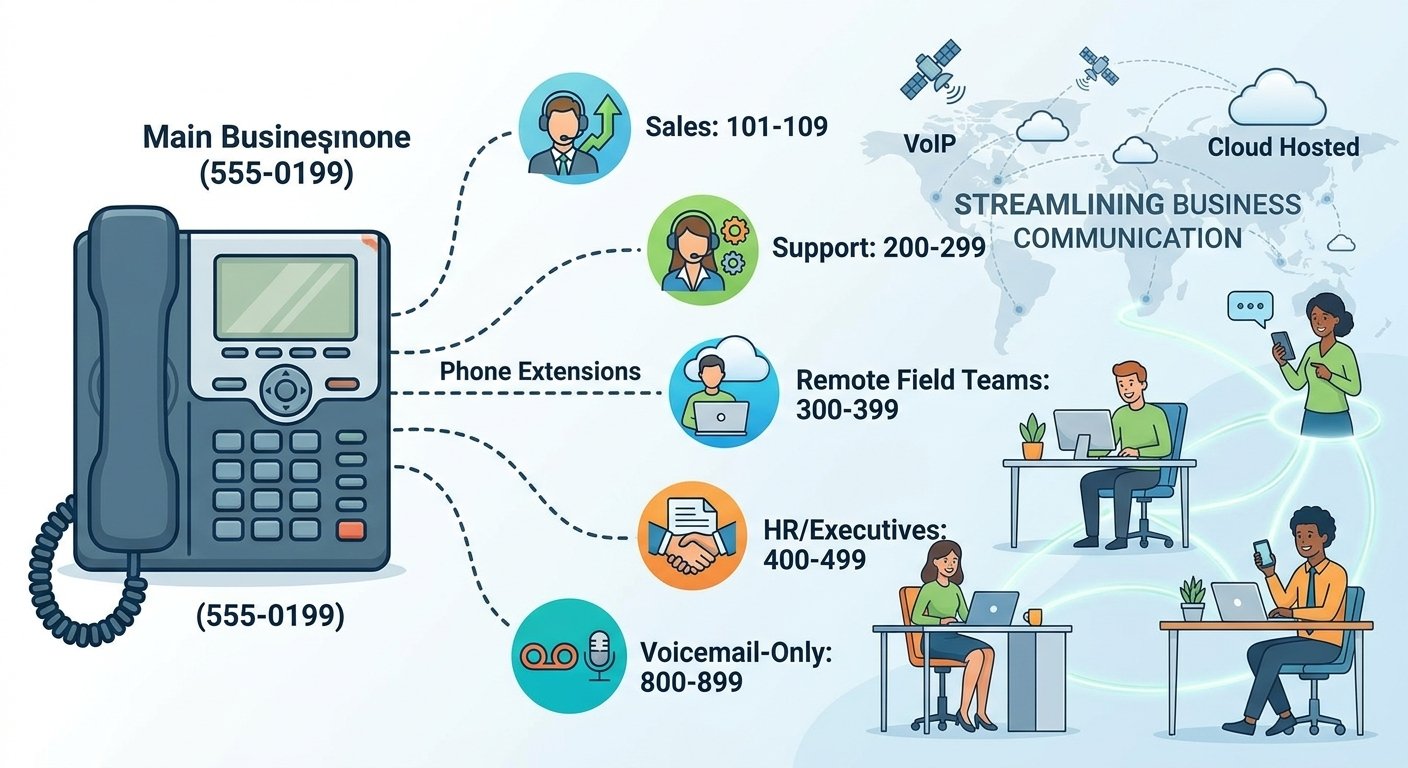
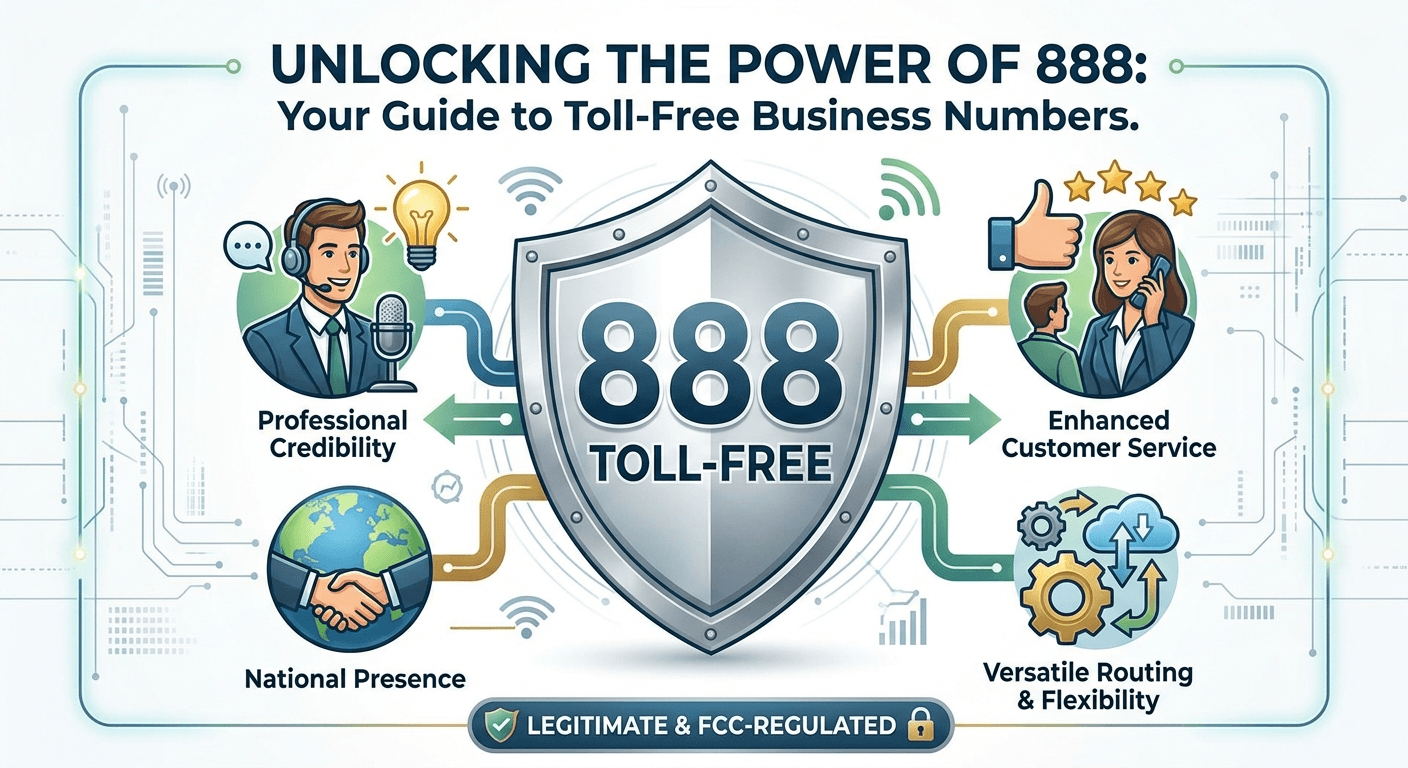
If you are searching about what are 888 numbers, these are toll-free telephone prefixes within the North American Numbering Plan used primarily by businesses, customer support centers, and government agencies. Unlike local numbers, the 888 area code allows callers from the United States, Canada, and several other countries to reach a business without incurring long-distance charges. Introduced in 1996 by the Federal Communications Commission to expand the supply of toll-free options, these numbers function identically to the classic 800 prefix. They are legitimate, regulated by the FCC and are widely used by businesses, customer support teams, and government agencies across North America.
Understanding 888 Numbers
The 888 area code is an important part of the North American phone system, specifically designed to facilitate cost-free communication between consumers and enterprises. While many people are familiar to seeing the 800 prefix, the 888 dialing code was established as the second toll-free prefix when the original 800 numbers reached maximum capacity. This addition ensured that growing businesses could still obtain professional, non-local identities to serve their clients across the continent.
These numbers are not tied to a specific city, state, or time zone, making them truly can be used anywhere. The Federal Communications Commission (FCC) oversees the distribution and regulation of these prefixes, ensuring they remain a standardized resource for public and private use. Because they operate on a national scale, a 888 phone number is an essential tool for any entity looking to project a sense of stability and widespread availability.
It is important to recognize that while these numbers are legitimate, they are often sought after for their versatility. A 1888 phone number can be routed to any landline, mobile device, or virtual office system. This technical flexibility allows a small startup in a rural town to appear as established as a major corporation in a skyscraper, helping small businesses compete with larger companies.
The Basics of Toll-Free Numbers
A toll-free number is a specialized telephone line where the party receiving the call pays for the connection costs instead of the caller. This model was introduced to encourage customer engagement by removing the cost of call. When a customer dials a 888 number, the service provider routes the call through a specialized network that identifies the subscriber and bills them according to their specific plan rates.
One interesting fact about the evolution of these systems is that the FCC introduced the 888 area code in 1996 to meet the growing demand for business lines during the early internet boom. According to historical telecommunications data, the move was necessary because the traditional 800 block was nearly exhausted within just a few decades of its inception. This transition marked the beginning of a multi-prefix system that now includes 877, 866, 855, 844, and 833.
-
Toll-free calls are free for the caller from landlines and often from mobile plans.
-
Businesses use these numbers to centralize their incoming communication.
-
They can be customized as vanity numbers to spell out words or brands.
-
Routing can be managed through cloud-based systems for maximum efficiency.
These numbers also support advanced features such as interactive voice response (IVR), call recording, and call analytics. For a modern enterprise, having a 1 888 phone number is less about the technical dial code and more about the accessibility to customers across different locations.
6 Benefits of Having a Toll-Free 888 Business Phone Number
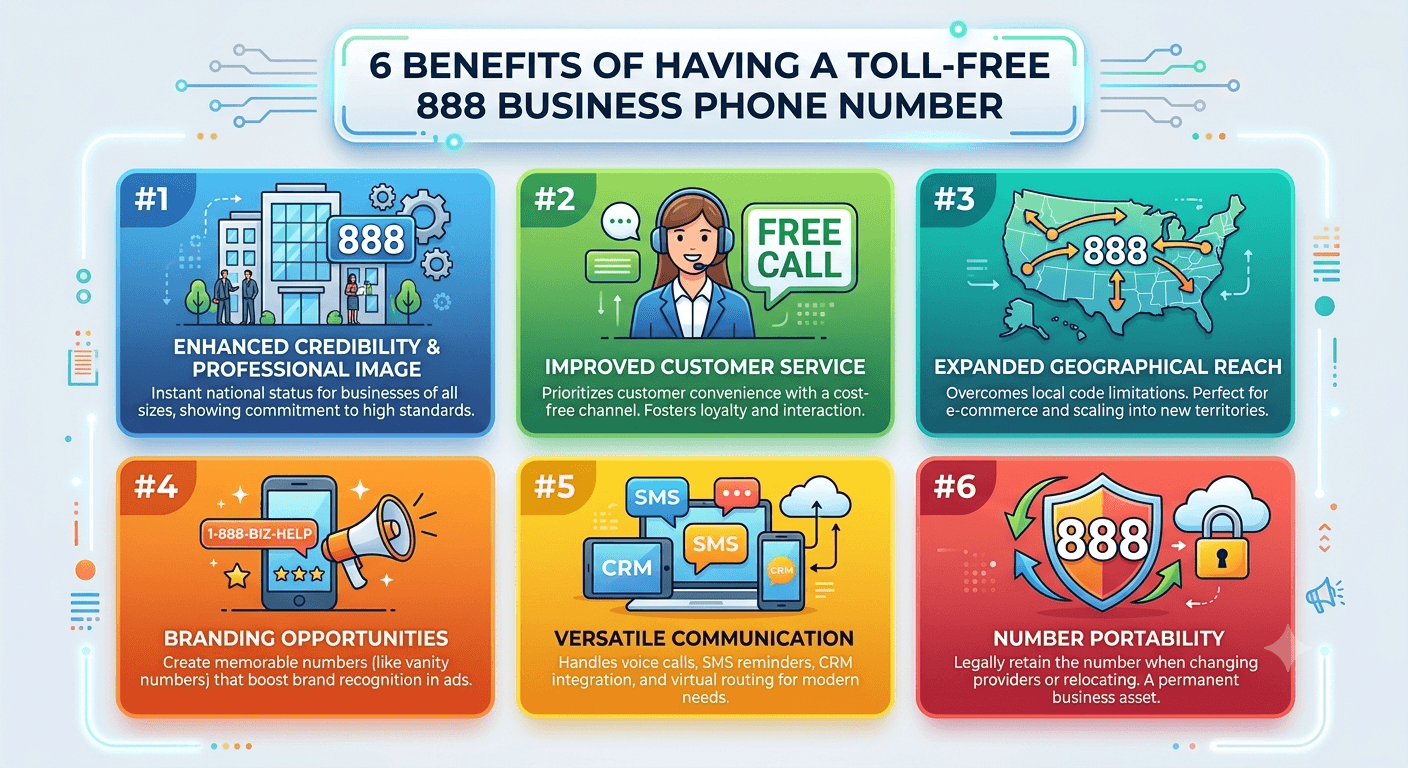
1. Enhanced Credibility and Professional Image
Utilizing an 888 area code instantly elevates a company’s professional status by associating it with established, nationwide organizations. This professional appearance is especially beneficial for solopreneurs or home-based businesses, as it presents a unified corporate image that signals a commitment to high standards and suggests the capacity to handle large-scale inquiries.
2. Improved Customer Service
The primary goal of an 888 number is to prioritize customer convenience by offering a cost-free communication channel. By removing financial barriers for the caller, businesses encourage more frequent interaction and feedback, which helps build long-term customer relationships and provides a supportive experience that modern consumers value as much as the products themselves.
3. Expanded Geographical Reach
A 888 area code removes the geographical limitations of local codes, enabling businesses such as e-commerce stores and digital firms to market themselves from coast to coast. This setup allows for consistent national advertising campaigns, makes it easier for out-of-state callers who might hesitate to dial a foreign local code, and creates a widespread presence that simplifies the process of scaling into new territories.
4. Branding Opportunities
These numbers offer unique branding advantages through the creation of memorable vanity numbers that spell out specific words or services. Because the 888 prefix is inherently easier to recall than random local digits, it serves as a powerful marketing tool that boosts brand recognition across various advertising platforms and ensures the business remains the first point of contact for the consumer.
5. Versatile Communication
Modern toll-free numbers function as multi-purpose communication hubs that handle far more than traditional voice calls. By incorporating SMS for appointment reminders, integrating with CRM software for better data tracking, and utilizing virtual routing for remote work, these numbers allow businesses to manage high traffic volumes while meeting the diverse communication preferences of a modern audience.
6. Number Portability
Under FCC mandates, all 888 numbers are fully portable, ensuring that a business has the legal right to retain its number even when changing service providers or relocating physical offices. This portability transforms the phone number into a permanent business asset, providing long-term security and ensuring that marketing materials and customer connections remain consistent throughout every stage of organizational growth.
Are 888 Numbers Safe?
Although 888 numbers are legitimate, FCC-regulated tools used by millions of honest businesses, they are also frequently exploited by scammers who leverage the prefix’s perceived authority and geographic anonymity to conduct “vishing” and identity theft. By using sophisticated caller ID spoofing to impersonate trusted institutions like banks or government agencies, bad actors create a false sense of security that makes users more susceptible to deception. Consequently, while the 888 area code is fundamentally safe, the ease with which these numbers can be obtained and masked necessitates a high level of caution and verification when receiving unexpected calls.
-
Always be skeptical of calls that demand immediate payment via gift cards or wire transfers.
-
Legitimate agencies like the IRS will never call you out of the blue to threaten arrest.
-
If you are unsure, hang up and call the company back using a verified number from their official website.
-
Never provide your social security number or passwords to an unsolicited 888 caller.
Best Practices for Choosing Your 888 Number

1. Opt for a Vanity Number
If your business has a specific focus or a catchy name, trying to secure a vanity 888 area code number is highly recommended. These numbers are easier to remember than random digits, which is vital for any offline marketing like radio or vehicle wraps. A memorable number reduces the “mental load” on your potential customers, making it much more likely that they will follow through and make the call when they need your services.
2. Align with Your Brand
Your phone number should feel like a natural extension of your business personality. When selecting a 888 dialing code, consider how it looks on your website and how it sounds when spoken in an advertisement. If your brand is quirky and modern, a repetitive or simple number might work well. If you are a traditional law firm, a more “solid” and straightforward sequence might be the better choice to maintain a serious tone.
3. Make It Memorable
If a vanity word is not available, look for patterns within the digits that make the 888 area code easy to recite. Repeating sequences, such as 888-222-XXXX, or ascending numbers are much easier for the human brain to store in short-term memory. A phone number that is difficult to say or remember is a lost opportunity for connection, so take the time to browse available inventory for a sequence that flows well.
4. Consider Long-Term Use
Choosing a 888 phone number is a long-term commitment. Since this number will eventually be printed on all your marketing assets and saved in your customers’ contacts, you want to pick one that you can grow with for the next decade or more. Avoid numbers that are too specific to a temporary promotion or a niche product if you plan on expanding your offerings in the future.
Implementing Your 888 Number Effectively
To successfully implement an 888 area code, businesses should integrate the number into their daily operations by training staff and optimizing call routing to ensure a professional customer experience. Promoting the number prominently on website headers and footers builds immediate trust, though international businesses must clarify potential charges for overseas callers to avoid confusion. You can also use different 888 numbers for different marketing campaigns to see which advertisements generate the most calls. This makes it easier to measure results and improve future campaigns.
Read More: How to Get Free UK Number for WhatsApp? Fix Common Verification Errors
Final Thought
A 888 number can make it easier for customers to contact your business without worrying about call charges. It also gives your business a national phone number that stays the same even if you change offices or service providers. For many businesses, this makes customer support and sales enquiries easier to manage.
The 888 area code remains one of the most recognized and trusted prefixes in the world of business. While it shares the toll-free stage with several other codes, its history and professional association make it a top choice for brands of all sizes.
FAQ’s
-
What are 888 numbers?
888 numbers are toll-free telephone codes that allow people to call a business or individual without being charged for long-distance. They are part of the North American Numbering Plan and are used by organizations across the United States, Canada, and other regions to provide a free point of contact for customer service and sales inquiries.
-
Is the 888 area code free to call?
Yes, calling a 888 area code is typically free for the caller when dialing from a landline within the North American Numbering Plan area. If you are calling from a mobile phone, the call won’t cost extra for long-distance, but it may still use your plan’s minutes depending on your specific wireless carrier’s terms.
-
Are 888 numbers scams?
While most 888 numbers are used by legitimate businesses, they can sometimes be used by scammers to appear professional. Because these numbers are easy to obtain, you should always verify the identity of the caller if they ask for personal information. Legitimate companies will never pressure you for sensitive data over the phone.
-
Why is a 888 number calling me?
A 888 number is likely calling you because a business, customer support center, or government agency is trying to reach you regarding an account, a service request, or a marketing offer. If you do not recognize the number, it is often best to let it go to voicemail so you can verify the caller’s identity before returning the call.
-
Should I answer calls from a 888 area code?
You should answer a 888 area code call if you are expecting a call from a business or service provider you use. If the call is unexpected, you can choose to answer but should remain cautious. If the caller asks for money or personal details immediately, hang up and call the organization back through their official, verified contact number.
-
Can I text a 888 phone number?
Many modern 888 numbers are text-enabled, allowing you to send SMS messages to businesses for support or information. However, this depends on whether the specific company has set up texting services for their toll-free line. It is becoming an increasingly common feature for customer-centric brands.
-
Where is the 888 area code located?
The 888 area code does not have a specific geographic location. Unlike local area codes that represent a city or region, 888 is a non-geographic code that covers the entire North American Numbering Plan. This includes the United States, Canada, and parts of the Caribbean.
-
Can I block all 888 area code numbers?
Most smartphones allow you to block individual 888 numbers that bother you, but blocking the entire prefix at once usually requires a third-party spam-filtering app. Since many legitimate services use these numbers, blocking the entire area code might prevent you from receiving important calls from banks or doctors.
-
Is 888 the same as 800?
Yes, 888 functions exactly the same as the 800 prefix. Both are toll-free codes. The 888 area code was created simply because the supply of 800 numbers was running out. Both are recognized by the FCC as legitimate toll-free prefixes for business and personal use.