
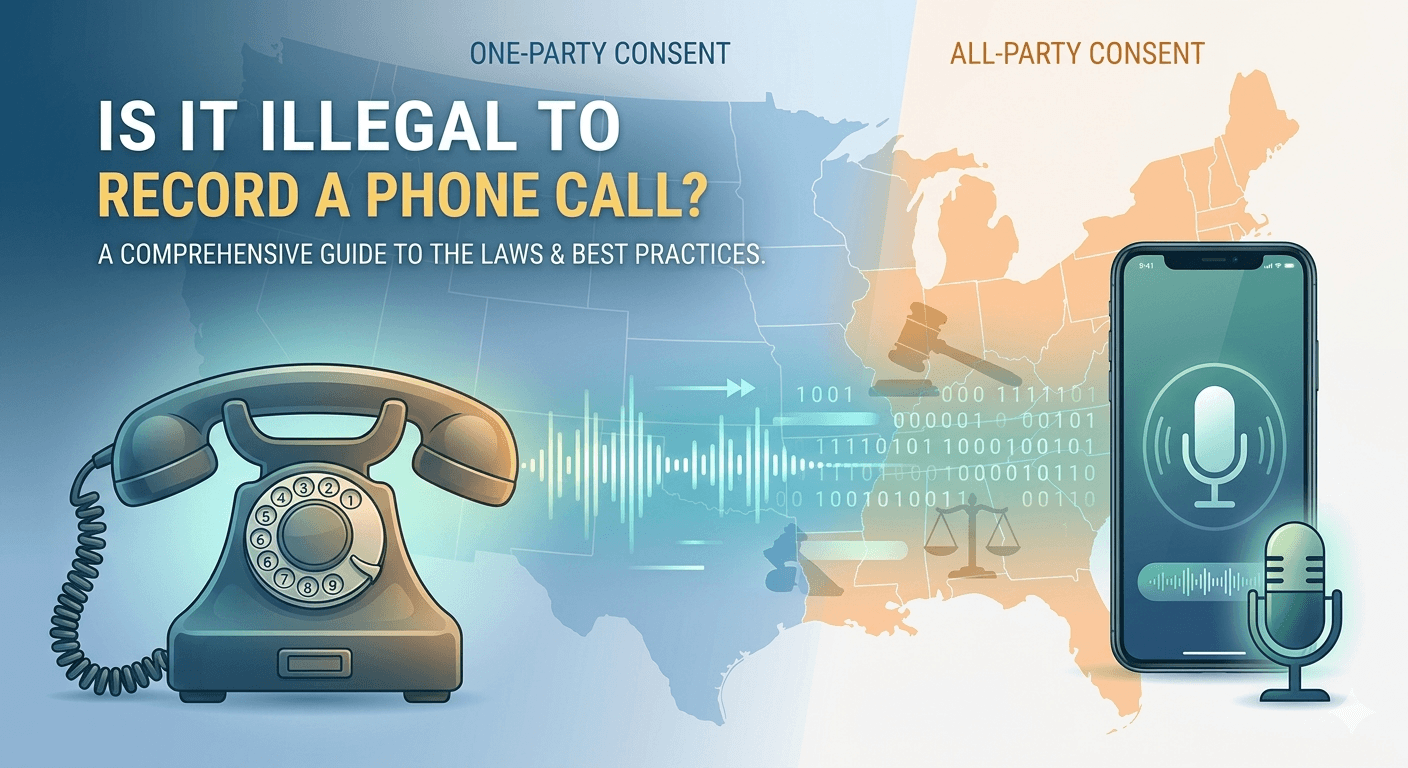
In an era where every smartphone comes equipped with high-quality microphones and sophisticated apps, the ability to document our daily interactions has never been easier. However, the ease of technology often clashes with the complexities of the legal system. One of the most common questions individuals and business owners ask is: is it illegal to record a phone call? The answer is rarely a simple “yes” or “no,” as it depends heavily on where you are located, whom you are speaking to, and the specific circumstances surrounding the conversation.
Navigating the legal landscape of a phone call recording requires a deep understanding of both federal and state statutes. In the United States, these laws are designed to balance an individual’s right to privacy with the practical need for record-keeping in journalism, business, and legal proceedings. Whether you are wondering can you record a phone call for personal protection or managing business call recording for a large corporation, failing to follow the rules can lead to severe consequences, ranging from inadmissible evidence in court to criminal felony charges.
This comprehensive guide will break down everything you need to know about the legality of recording. We will explore the differences between one-party and all-party consent, the risks of interstate calls, and the best practices for ensuring that your digital records remain on the right side of the law.
The Foundation of Recording Laws: Consent Models
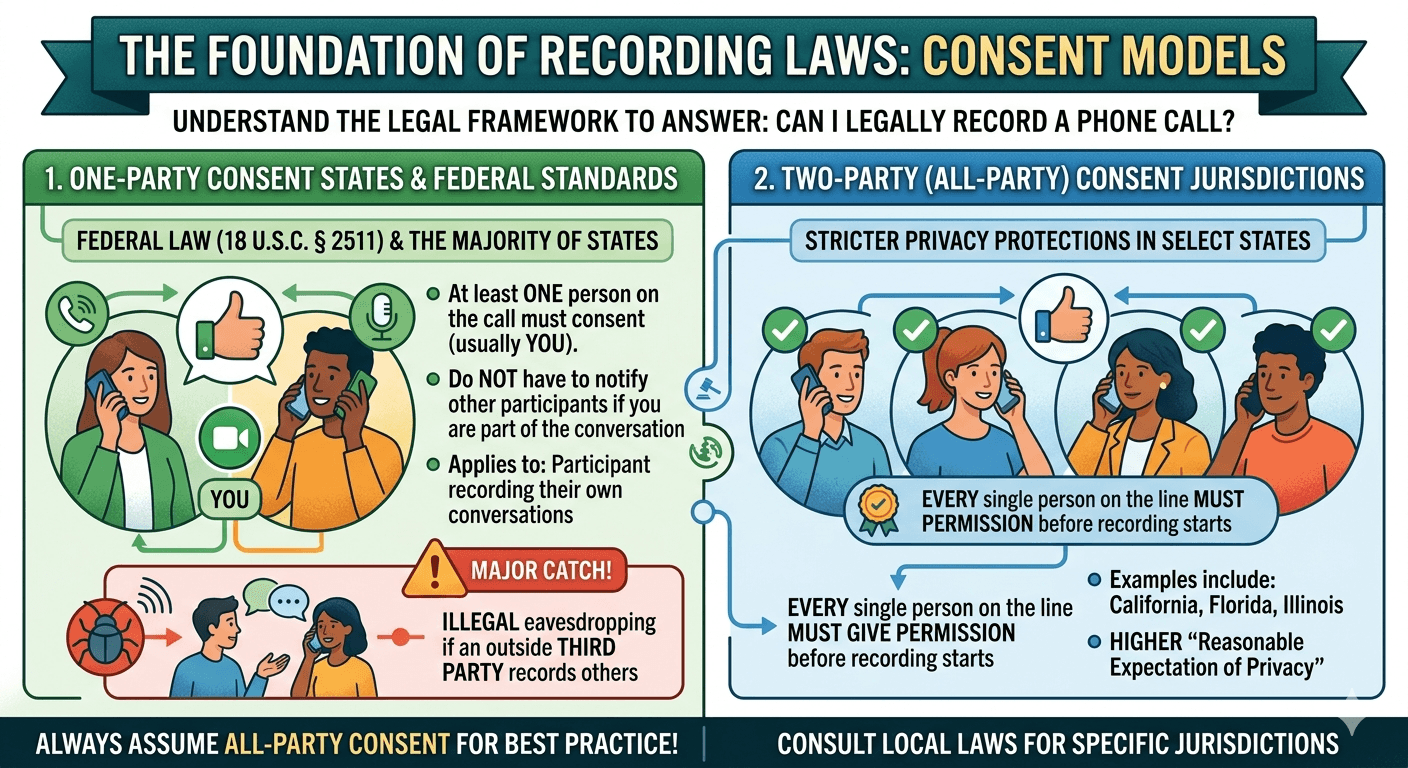
To determine if is it illegal to record a phone call without consent, you must first identify which consent model applies to your jurisdiction. The legal framework in the U.S. is generally divided into two main categories: one-party consent and two-party (or all-party) consent. These models dictate how many people involved in the communication must be aware of the recording for it to be considered legal. Understanding these definitions is the first step in answering can you legally record a phone call.
1. One-Party Consent States and Federal Standards
Under federal law (18 U.S.C. § 2511), the United States operates on a one-party consent basis. This means that can i legally record a phone call is generally a “yes” at the federal level, provided that you are one of the people participating in the conversation. As long as at least one person—which can be you—consents to the recording, the act is legal. This is often referred to as one way recording states or 1 party consent states.
In these jurisdictions, you do not have to notify the other person that they are being recorded. This standard is used by the majority of states across the country. However, there is a major catch: you cannot record a conversation if you are not a participant. If you plant a device to record two other people talking without their knowledge, that is considered illegal wiretapping or eavesdropping, regardless of the state’s consent model. Therefore, while can you record phone calls as a participant is allowed, recording as an outside third party is almost always a crime.
2. Two-Party and All-Party Consent Jurisdictions
Several states have adopted stricter privacy protections, often called 2 party consent states or dual consent recording states. In these areas, is it illegal to record a phone call without consent from every single person on the line? Yes. These laws require that every participant in the conversation gives their permission before the recording begins. If you are on a call with three other people in an all-party consent state, you must have the consent of all three to remain compliant with phone call recording laws.
These stricter laws are designed to protect a higher “reasonable expectation of privacy.” States like California, Florida, and Illinois are well-known for their rigorous enforcement of these statutes. In these regions, is recording a phone call illegal if even one person is unaware of the recording? The answer is a definitive yes. For anyone asking how record a phone call safely, the best practice is always to assume that all-party consent is required to avoid accidental legal pitfalls.
Navigating Recording Laws by State
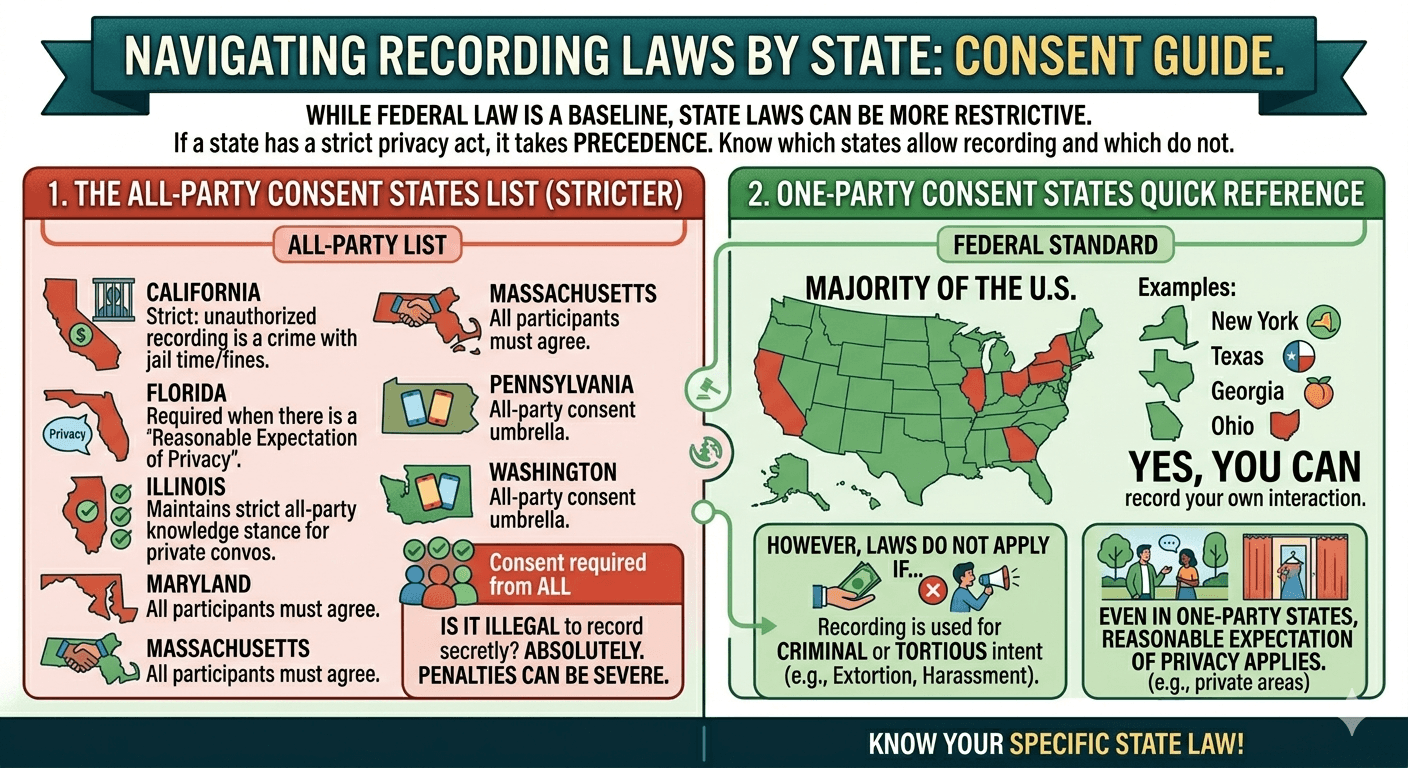
Because the legal landscape is fragmented, you must be aware of the specific recording laws by state. While federal law sets a baseline, state laws can be much more restrictive. If you are a resident of a state with a strict privacy act, those state laws will typically take precedence over the more lenient federal one-party consent rule. This is why it is vital to know which states allow recording without consent and which do not.
1. The All-Party Consent States List
Currently, several states require the consent of all parties involved in a phone call. If you are in one of the following states, you must notify everyone on the line:
- California: One of the strictest states, where unauthorized recording can lead to significant fines and jail time.
- Florida: Requires all parties to consent specifically when there is a reasonable expectation of privacy.
- Illinois: After several legal challenges, the state maintains a strict stance on recording private conversations without all-party knowledge.
- Maryland and Massachusetts: Both have long-standing statutes requiring all participants to agree to the recording.
- Pennsylvania and Washington: These states also fall under the all-party consent umbrella, particularly for telephonic communications.
In these locations, is it illegal to record a conversation secretly? Absolutely. Even if you are a participant in the call, failing to announce the recording is a violation of state law. If you are wondering is it legal to record a phone call without consent in these specific areas, the answer is no, and the penalties can be quite severe.
2. One-Party Consent States for Quick Reference
The majority of the U.S. follows the federal standard of one-party consent. This includes large states like New York, Texas, Georgia, and Ohio. In these areas, can you record phone calls as long as you are part of the talk? Yes, you can. These one way recording states provide more freedom for individuals to document their own interactions without needing to ask for permission. However, it is important to remember that these laws only apply if the recording is not being used for criminal or tortious intent, such as extortion or harassment.
When people ask can i record a phone conversation in a one-party state, they must also consider the “expectation of privacy.” Even in a one-party state, if the conversation happens in a place where people can reasonably expect they aren’t being recorded (like a private dressing room), other privacy laws might still apply. Therefore, the question of is recording a conversation illegal often extends beyond the simple consent model and into the realm of general privacy rights.
The Interstate Call Dilemma: Which Law Wins?
One of the most confusing aspects of phone call recording laws occurs when the participants are in different states. Imagine a scenario where a person in New York (a one-party state) calls someone in California (an all-party state). If the person in New York records the call without telling the Californian, is it illegal to record a phone call in this situation?
This is known as a “conflict of laws.” Different courts have ruled in various ways, but many legal experts suggest that the stricter law usually prevails. In the New York vs. California example, the California Supreme Court has previously ruled that its all-party consent laws apply even if the person recording is in a different state. Because you cannot always be certain where the person on the other end of the line is physically located, the safest answer to can you record a phone call without consent is to simply not do it across state lines.
To avoid being caught in a legal battle, you should always disclose that you are recording if there is any chance the other party is in an all-party consent state. When you ask is it legal to record phone calls across state lines, the only “safe” way to do it is with full transparency. This protects you from being prosecuted in a state you don’t even live in.
Business Call Recording and Compliance
For organizations, business call recording is a vital tool for training, customer service quality, and legal documentation. However, businesses face much higher scrutiny than individuals. Companies must comply not only with state recording laws but also with industry-specific regulations and international data privacy laws like the GDPR (General Data Protection Regulation). If your business operates globally, the question is it illegal to record a phone call becomes even more complex.
Best Practices for Corporate Compliance
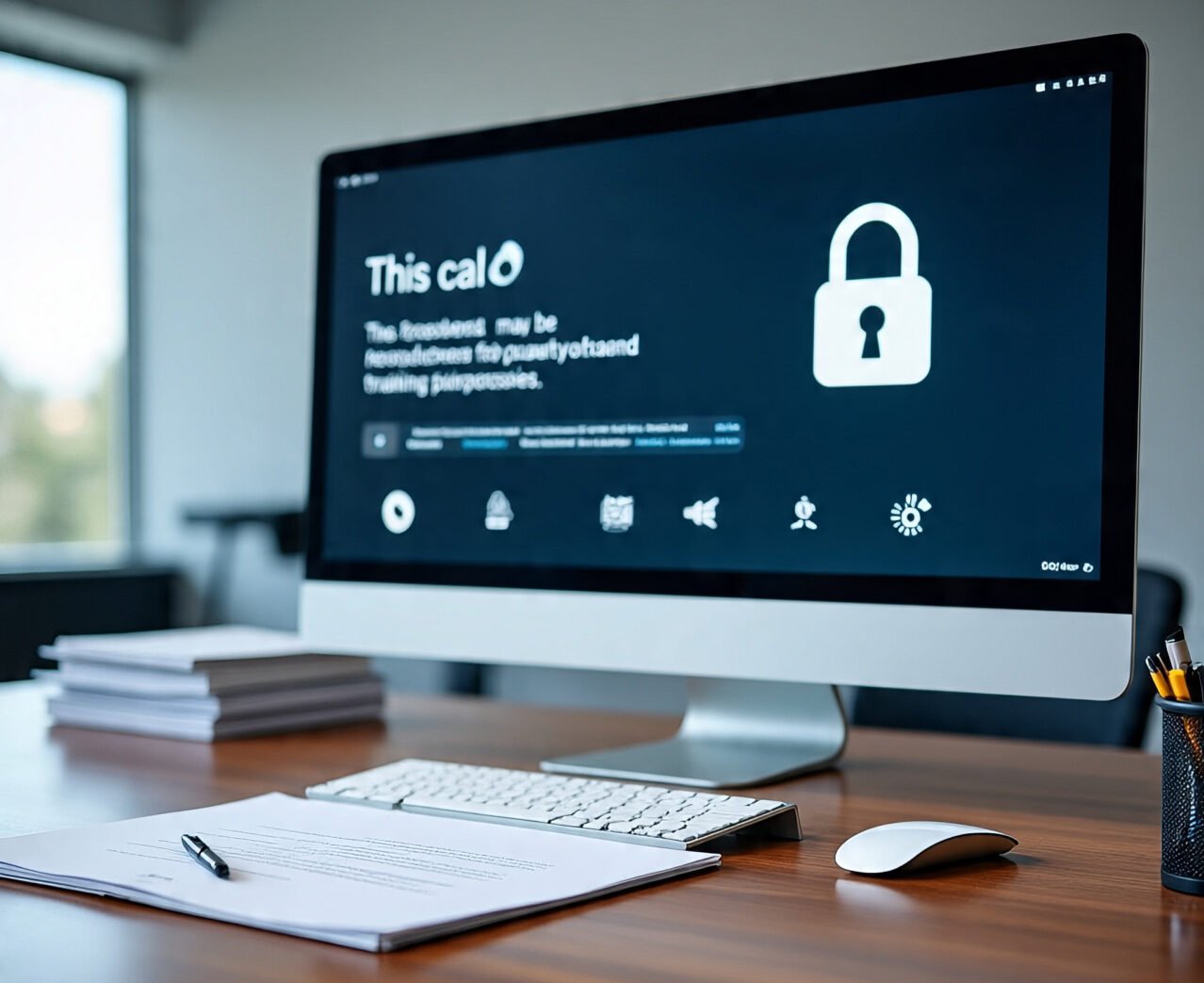
To ensure that is it legal to record a phone call for your company, most businesses implement an automated disclosure. You have likely heard the phrase, “This call may be recorded for quality and training purposes.” This announcement serves as a legal notice. By staying on the line after hearing this message, the caller is providing “implied consent.” This is generally sufficient to meet the requirements of dual consent recording states and 2 party consent states.
Furthermore, businesses must be careful about how they store and use these recordings. Under laws like the CCPA (California Consumer Privacy Act), customers have the right to know if they are being recorded and can even request that those recordings be deleted. If a business asks are you allowed to record phone calls, the answer is yes, but only if you have a clear policy in place, provide proper notification, and store the data securely to prevent breaches.
Recording Sensitive Information
A major risk in business call recording involves the capture of sensitive personal information, such as credit card numbers, social security numbers, or health data. In many cases, it is actually illegal or a violation of industry standards (like PCI-DSS) to record the audio of a customer speaking their credit card CVV code. Most professional recording software includes “pause and resume” features or automated redaction that silences the recording while sensitive data is being shared. This ensures that while you can record a phone call, you aren’t creating a massive security liability for your company.
Consequences of Illegal Recording
If you ignore the laws and decide to record anyway, what actually happens? The consequences of is it illegal to record a phone call without consent are categorized into two main areas: criminal penalties and civil liability. These punishments are designed to be a significant deterrent against unauthorized surveillance.
1. Criminal Prosecution and Wiretapping Laws
In many states, violating recording laws is classified as a felony. For instance, in California, an unauthorized recording of a confidential communication can lead to a fine of up to $2,500 and a year in state prison. If you have been asking is recording a phone call illegal, you must realize that the government takes “wiretapping” very seriously. Prosecution is not just limited to professional hackers; it can apply to an individual using a simple app on their phone to record a private conversation.
2. Civil Lawsuits and Damages
Beyond the threat of jail time, you can also be sued by the person you recorded. The victim can sue for “invasion of privacy” or “violation of the wiretapping act.” In these cases, you may be forced to pay “statutory damages,” which are set amounts of money per violation, even if the person can’t prove they suffered a specific financial loss. When considering is it illegal to record a conversation, you must factor in the potential for tens of thousands of dollars in legal fees and settlements if the other party decides to take you to court.
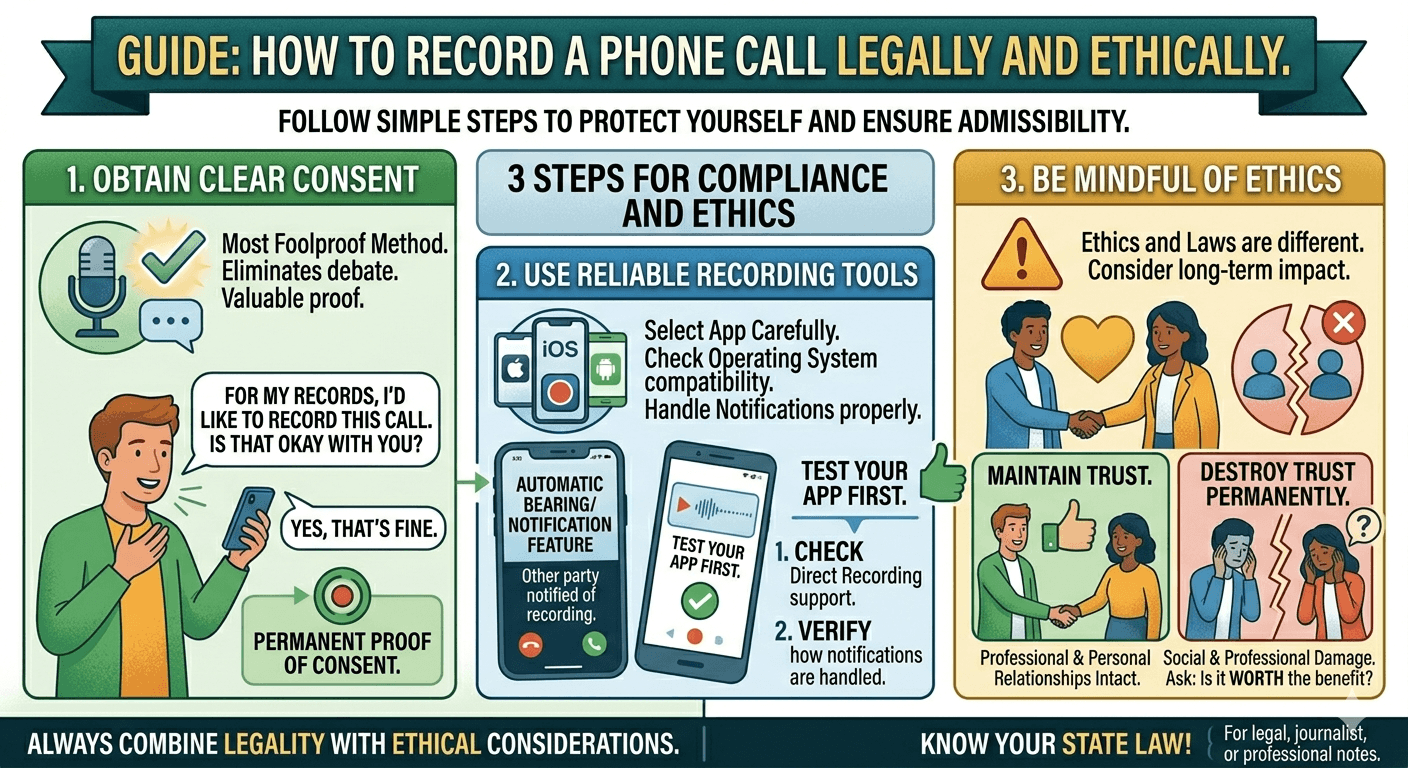
How to Record a Phone Call Legally and Ethically
If you have a legitimate need to record, the question becomes how do you record a phone call the right way? Following a few simple steps can protect you from legal trouble and ensure that your recording is actually useful and admissible if you ever need it in a legal setting.
Step 1: Obtain Clear Consent
The most foolproof way to answer is it legal to record a phone call is to get permission. At the very beginning of the conversation, say something like: “For my records, I would like to record this call. Is that okay with you?” Once the other person says “yes” while the recorder is running, you have permanent proof of their consent. This eliminates any debate about can u record a phone call and makes the recording much more valuable.
Step 2: Use Reliable Recording Tools
If you are using a smartphone, there are many apps designed for this purpose. However, you should check if your phone’s operating system (iOS or Android) allows for direct recording. Some systems will automatically notify the other party with a loud beep or a voice prompt. This is actually a great feature because it handles the notification for you, ensuring that is it legal to record a phone call without consent is never an issue. For those wondering can i record conversations on my phone, always test your app first to see how it handles notifications.
Step 3: Be Mindful of Ethics
Even if you are in a one party consent states region where it is technically legal to record in secret, you should ask if it is ethical. Secretly recording a friend, colleague, or family member can destroy trust permanently. If the person finds out later, the social and professional damage often far outweighs whatever benefit you gained from the recording. When you ask can you legally record a conversation, also consider the human element and the impact on your long-term relationships.
What to Do if Someone Records You Without Permission
It is equally important to know your rights if the roles are reversed. If you find out that someone records you without permission, your first step should be to determine if you were in a state that requires all-party consent. If you were, that person may have committed a crime. You should document how you found out about the recording and, if possible, get a copy of the recording itself.
If the recording is being used to threaten or defame you, you should contact law enforcement immediately. When users ask what to do if someone records you without permission, the answer often involves a combination of legal action and privacy protection. You can send a “Cease and Desist” letter through an attorney to demand that the recording be destroyed. Knowing what if someone records you without permission gives you the power to push back against unauthorized surveillance and protect your digital privacy.
Modern Technology: VoIP and Video Calls
The definition of a phone call has changed with the rise of VoIP (Voice over Internet Protocol) and video conferencing tools like Zoom, Microsoft Teams, and WhatsApp. Do the same laws apply to a video call? Generally, yes. The audio portion of a video call is treated the same way as a traditional phone call under phone call recording laws. However, video calls often have built-in protections.
Most professional video conferencing platforms will display a notification to all participants when recording starts. This transparency is designed to help users avoid accidentally violating dual consent recording states laws. If you are using these tools for business, make sure the “Recording Notification” feature is always turned on. This ensures that can phone calls be recorded safely in a digital environment without needing a legal degree to understand the nuances of every participant’s location.
Common Misconceptions About Recording
There are many myths surrounding is it illegal to record a phone call. One of the most common is the “three-second rule,” where people believe they can record the first few seconds of a call without consent. This is entirely false. Legal consent is required from the moment the recording starts. Another myth is that recording a police officer or government official is always illegal. In fact, in most public settings, you have a First Amendment right to record officials performing their duties, though this is a separate legal area from private phone call recordings.
Another misconception is that is recording a conversation illegal only if you use it for something bad. In all-party consent states, the act of recording itself is the crime, regardless of whether you ever share the audio or use it for a malicious purpose. This is why it is so important to stay informed about recording laws and never assume that “good intentions” will protect you from a wiretapping charge.
Read More: Wireless IP Phones vs. Mobile Apps: Deciding What’s Best for Your Remote Workforce
Final Thought on Phone Call Recording Legality
So, is it illegal to record a phone call? As we have explored, the answer is a complex tapestry of federal and state regulations. While one-party consent is the standard for much of the United States, the presence of strict all-party consent laws in several major states means that you are always taking a risk if you record in secret. The digital age has made capturing audio easier than ever, but it has also made the legal consequences of doing so improperly much more significant.
The most effective way to protect yourself is to prioritize transparency. By simply asking for permission, you bypass the confusion of interstate recording laws, satisfy the requirements of 2 party consent states, and uphold a higher ethical standard in your communications. Whether for personal or professional reasons, your goal should always be to ensure that your records are both legal and respectful of the privacy of others.
Frequently Asked Questions (FAQs)
What are the advantages and disadvantages of using VoIP for recording?
VoIP systems often offer built-in recording features that are more reliable than mobile apps. The advantage is that they can automatically play a notification to all parties, ensuring legal compliance. The disadvantage is that these recordings are stored in the cloud, which could be a security risk if the provider is hacked. Always ensure your VoIP provider uses encryption to protect your recorded data.
Why is everyone switching to VoIP for business call recording?
Businesses are switching to VoIP because it simplifies compliance. Instead of relying on individual employees to follow recording laws, the system can be configured at the company level to always provide a disclosure and securely archive calls. This centralization makes it much easier to manage legal requests and ensure that no illegal recordings are taking place within the organization.
Do I need a separate app to record a phone call on my smartphone?
Depending on your phone and your location, you might. Many modern smartphones have disabled built-in recording to avoid legal liability for the manufacturer. If you choose to download a third-party app, ensure it is from a reputable source and check if it includes a feature to notify the other party, which helps you stay within the bounds of is it legal to record a phone call.
What are the risks of recording someone without their permission?
The risks are both legal and social. Legally, you could face felony charges for wiretapping and be sued for thousands of dollars in civil damages. Socially, you risk destroying your reputation and losing the trust of your peers. In a professional setting, an illegal recording could also be grounds for immediate termination of employment.
What should I do if I think I was recorded illegally?
First, stop all communication with the person you suspect of recording you. Second, consult with a legal professional who specializes in privacy or telecommunications law. They can help you determine if your state’s laws were violated and advise you on whether to report the incident to the police or pursue a civil lawsuit for damages.