

The best Telinta alternatives depend on which part of TeliCore you need to replace. PortaOne PortaSwitch is the closest option for integrated switching and billing and uses technology already found in TeliCore. 2600Hz fits a hosted PBX and white-label UCaaS deployment. JeraSoft fits a billing replacement when a compatible switch stays in place, and Telnyx fits a change to SIP carrier connectivity.
Start by separating the three roles in your current service: the softswitch routes voice traffic, the billing system rates usage and tracks balances, and carriers deliver numbers and calls. Some Telinta competitors cover more than one role. A telecom provider that needs both wholesale termination and retail prepaid charging should verify both workflows before accepting a quote.
What Does TeliCore Do For Your Voice Business?
Telinta describes TeliCore as a hosted platform combining PortaSwitch switching and billing with Telinta’s own tools. It offers configurations for wholesale voice, SIP trunking, hosted PBX and other white-label services. Telinta also describes prepaid and postpaid billing, reseller tools, and the ability to choose origination and termination providers. Start with Telinta’s hosted softswitch overview and verify which functions your own account uses before evaluating Telinta alternatives.
Class 4 Wholesale Routing And Carrier Control
A wholesale voice operator uses interconnects and routing rules to send calls to other networks. If TeliCore handles those jobs, inventory your vendors, trunks, rate feeds, route preferences and backups. Ask Telinta competitors to show how the proposed switch chooses a route and how the billing records identify the carrier that carried the call. Confirm which party supplies phone numbers and which party terminates outbound traffic.
Class 5 Hosted PBX And End-User Service
The retail side can include extensions, endpoints, queues, call forwarding, customer-facing portals and reseller administration. If this is what your customers buy, list the products they use and which functions are branded. Confirm the device and user features, number options, and portal roles in the proposed deployment. A hosted PBX purchase can be scoped separately from wholesale carrier routing.
Prepaid And Postpaid Billing
Telinta describes real-time billing that supports both prepaid and postpaid services. Determine whether your setup authorizes calls against available funds, uses credit limits, or invoices after usage occurs. Record how the system handles top-ups, taxes where relevant, credits, rate changes and reseller balances. If you want one of the Telinta alternatives to take over billing while retaining the switch, confirm the integration supports every event your finance team relies on.
Telinta Alternatives Comparison
Compare the named service boundary before you compare price. A full platform quote can include switching and billing. A carrier quote usually prices call traffic or connectivity. Ask for the exact deployment, commercial terms, support scope and services that will remain elsewhere.
| Provider | Best Fit | Buying Consideration | Pricing And Evaluation |
|---|---|---|---|
| Integrated Switching And Billing | Shared PortaOne technology. Confirm deployment, support and what can be imported. | Request A Platform QuoteConfirm licence or subscription, hosting, capacity and migration.Explore PortaOne Pricing | |
| Hosted White-Label PBX | Confirm carrier scope, APIs and separate wholesale or prepaid billing needs. | Request A Hosted Platform QuoteInclude tenants, carrier arrangements and integrations.Explore The 2600Hz Hosted Platform | |
| Billing For A Retained Switch | Verify integration, call authorization and responsibility for the switch. | Request A Billing QuoteInclude deployment, data migration and integration support.Explore JeraSoft Billing | |
| SIP Carrier Connectivity | Confirm the carrier routes, number inventory and retained platform. | Local Inbound From US$0.0032/MinOutbound from US$0.005/min. Numbers, destinations and fees vary.Check Telnyx SIP Pricing |




The G2 score for PortaSwitch has one review. JeraSoft’s score is for its billing product on Capterra. G2’s 2600Hz score covers its communications platform, and the Telnyx score covers its broader CPaaS listing. Review counts and product scope matter when using those scores to select a pilot.
Best Telinta Competitors By Service Type
1. PortaOne PortaSwitch For Integrated Switching And Billing
PortaOne PortaSwitch combines PortaSIP switching and PortaBilling. PortaOne describes deployment options that include licensed and subscription models, with cloud options available. It is one of the closest Telinta alternatives for a provider that wants integrated routing and charging and is willing to continue using PortaOne technology. Review the proposed hosting, support and software responsibilities.
Best fit: A voice provider looking to change its commercial and operational relationship while retaining familiar switching and billing concepts. A small operator should ask who runs the infrastructure and applies upgrades. A larger operator should verify its capacity, redundancy and integration requirements under the proposed deployment.
What to test: Give the provider two rate plans, a reseller and a prepaid account. Run a successful call, a blocked call and a call that takes an alternate route. Compare the charge and balance change with your current setup. Ask which objects can be imported from your Telinta account and which custom portals or workflows must be recreated. See the PortaOne alternatives guide if you also need to compare independent technology stacks.
Buying consideration: Shared technology does not establish compatible exports, automatic migration, identical portals or the same operating model. Verify versions, permissions, data availability and the vendor’s commitments. Ask the shortlisted Telinta competitors to identify which team will take responsibility for platform, routing and billing incidents.
2. 2600Hz For Hosted White-Label PBX And UCaaS
2600Hz, an Ooma company, offers a hosted white-label communications platform built on KAZOO. It describes APIs and the option to bring your own carriers. It is one of the Telinta alternatives to assess if you mainly sell hosted phone service and need multi-tenant control over numbers, devices and integrations.
Best fit: A communications service provider with implementation resources and customers that need hosted extensions, phone numbers, shared devices and customer administration. Ask how the hosted offer works with your carriers and what the parties must do to maintain those connections. Check what each user, account and reseller can see in the portal.
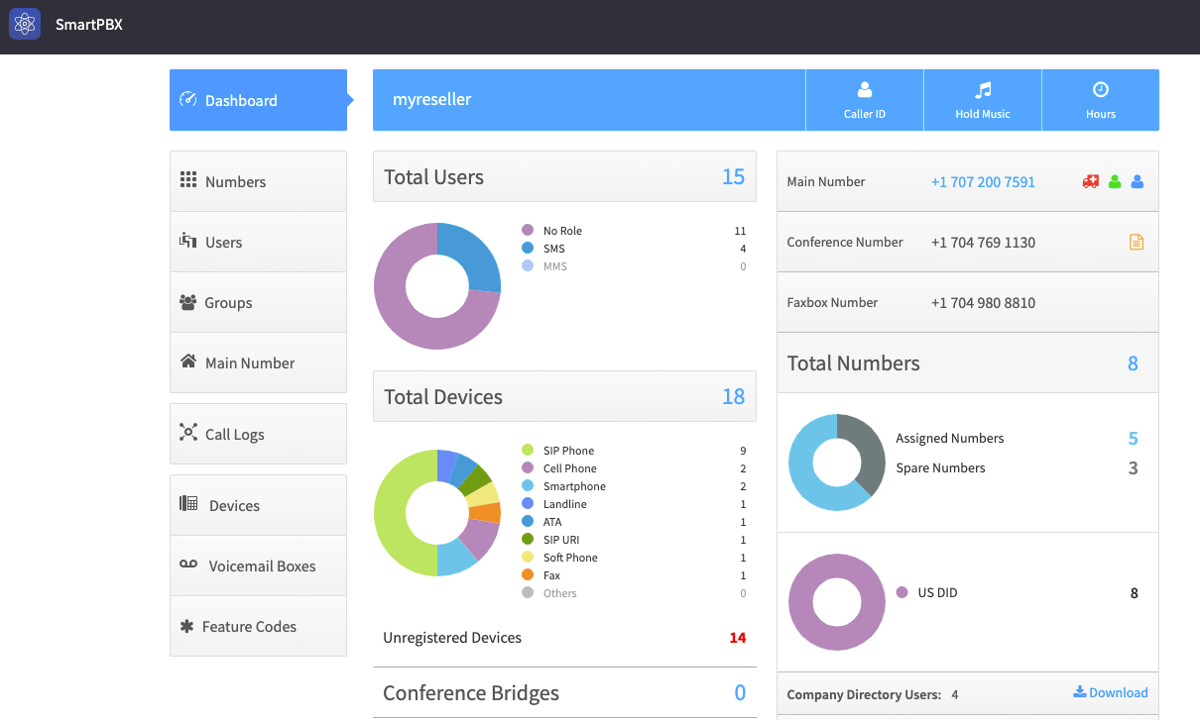
What to test: Build a small tenant with a public number, a receptionist, a shared phone and an after-hours flow. Provision a device, add an extension, and export the records your team needs to bill the service. Use the same test with the other Telinta competitors you evaluate for hosted voice.
Buying consideration: If TeliCore also authorizes prepaid calls or rates wholesale traffic, ask exactly what handles those tasks in the proposed 2600Hz deployment. Test any added billing or routing component and include the integration and support work in the project estimate.
3. JeraSoft For Billing On A Retained Switch
JeraSoft provides telecom billing, rate management and routing tools that integrate with supported switching equipment and software. It fits a billing-led migration among Telinta alternatives when you plan to keep or separately acquire the switch and carrier connections. Ask about deployment, mediation, real-time charging and the connector for your actual switch.
Best fit: A team with working SIP routing and a separate need to improve wholesale or retail invoicing. List the usage fields, account identifiers, rate files, credits and reseller relationships that must carry over. Confirm the supported integration and who handles changes as your switching software evolves.
What to test: Load a sample set of call detail records (CDRs). Reconcile completed calls, failed calls, a change in rates and one correction against known outcomes. If real-time prepaid authorization matters, test it through the connected switch. Have the billing team compare results with the Telinta competitors that offer integrated charging.
Buying consideration: Include the cost and operational responsibilities of the retained switch, customer portal and carriers. Ask which routing decisions are made by JeraSoft and how the switch receives and applies them in the selected configuration.
4. Telnyx For SIP Carrier Connectivity
Telnyx Elastic SIP Trunking is a connectivity option for a provider that will keep or separately replace its PBX or softswitch. Telnyx publishes pay-as-you-go SIP rates, including local inbound from US$0.0032 per minute and outbound from US$0.005 per minute. Confirm actual rates by destination, number type and applicable fees before using them in a quote.
Best fit: An operator changing an origination or termination supplier, adding a carrier or separating carrier procurement from a platform move. Verify the supported interconnect and configuration on your own switch. Ask about number availability, authentication, call-attempt limits and the route used if a connection fails.
What to test: Connect a test trunk, place inbound and outbound calls, verify caller ID and confirm that rated records are usable by your billing system. Test a fallback route on your own equipment. Compare records from the switch with carrier usage to check how charges will appear.
Buying consideration: Compare Telnyx with Telinta competitors at the carrier layer. The CPaaS review score reflects a wider product line. The platform responsible for customer wallets, reseller permissions and PBX features needs its own procurement and acceptance tests.
Choose An Operating Model For The Replacement
Draw the current call path from the customer device or network to the switch and the carrier. Then draw the transaction path from the call record to the customer charge and the reseller’s invoice. Give both to the Telinta competitors you shortlist. Have each supplier mark where its work begins, where the handoff occurs, and which records can be exported. Use the resulting scope to decide whether one supplier should replace most of TeliCore or whether separate contracts suit your operation.
Move Switching And Billing Together
An integrated replacement can simplify joint troubleshooting if the same supplier is responsible for call authorization, routing and the customer charge. Ask the Telinta alternatives that offer this model to describe how they preserve the relationship between a reseller, its customers and the rate plan attached to each account. Before committing, confirm how the new platform rounds usage, records taxation or surcharges where applicable, and tracks a payment or credit that arrives after the service is activated.
Plan for dependencies outside the billing engine. A reseller may rely on a branded web portal, payment processor, mobile application, or provisioning templates for phones. Ask shortlisted Telinta competitors which components and roles carry over and whether each requires a separate configuration or contract. Use a test site to confirm the exact sign-in sequence, which company name appears, and which team can reset customer access when the user needs help.
Keep A Working Switch And Replace Billing
Decide whether the existing switch sends usage after a call, asks the billing system to approve a call in real time, or uses both mechanisms. Give each of the Telinta alternatives the exact integration and software release in the project. Have them confirm which call events they receive and what happens when a message is delayed. A switching lead and a finance lead should agree on who can approve a rate import, adjust a balance or disable charging in the controlled test environment.
Include recurring subscriptions, minimums, access charges and one-time adjustments in the sample. Ask the Telinta competitors you evaluate to demonstrate invoice output with a customer that has fixed services and a second customer that mainly uses metered voice. Check whether a reseller can see its own buy rates and a customer can see its own retail charges. Agree on how staff handle an invoice correction across two accounting periods.
Keep The Carriers While Replacing The Platform
Ask the current carrier what needs to happen if inbound numbers stay on its network and the calls are routed to a new platform. Request the technical and commercial conditions in writing. Have the Telinta alternatives that supply the new switch demonstrate how they will receive those calls and send outgoing traffic. Check each route for differences in calling format, codec support, number presentation or required authentication before selecting the first traffic batch.
Have shortlisted Telinta competitors identify the information they would request from your carriers during an incident. Use an example where outbound calls work, but an inbound public number no longer reaches its intended customer. Decide which provider checks the carrier destination, which checks the switch, and who confirms the customer route. Record who coordinates the response if both vendors have to act.
Change A Carrier While Keeping The Application
If the current phone and billing platforms still meet your needs, consider changing the carrier connection on its own. Ask the Telinta alternatives that offer SIP connectivity to quote inbound and outbound routes separately, with the correct number type and destination. Confirm the operational impact on mid-call transfers, voicemail reachability, blocking rules and special-purpose numbers. Set a date to compare the carrier’s first usage export with the switch records after the change.
Use three planned scenarios when comparing Telinta competitors: an ordinary destination, a destination that uses a separate tariff, and a destination that uses a secondary route if the primary connection is unavailable. Identify which numbers and routes move together and which remain separate. This gives your network team a way to check the result and gives finance an explanation for changes in usage cost before the whole carrier book migrates.
Test Routing And Billing With The Same Calls
Give the Telinta alternatives a small, anonymized set of call tests and expected outcomes. Include at least one prepaid user, one postpaid customer, an internal or on-net call, a metered call and a route with a backup. For every test, record the customer, destination, route, actual duration, billable duration, rate, charge and resulting balance or invoice entry. That gives your switching and finance teams the same evidence.
Verify Normalization, Route Selection, And Failover
Start with a call that should use the primary carrier. Record the called number before and after the switch applies your dialing rules. Ask the Telinta competitors to identify the route selected, why it matched and what happens if the primary connection is unavailable. Use only the carriers authorized for that test. Verify that the switch records the actual route and any attempts your finance or support team needs to investigate.
Repeat the call with an allowed destination that belongs to a different rate group. Ask how the provider applies prefixes, date and time, and any route restrictions. If the customer uses a dedicated route or a quality policy, check when that takes priority. Have both your routing lead and the provider sign off on the expected behavior before testing a live traffic batch. When two routes cost the same, check what determines the route used and how you can confirm it in the call record.
Reconcile The Switch And Carrier Call Detail Records
Get a record from the switch, one from the billing system and one from the carrier for the same test call. Match the fields that identify the tenant, destination, connection, connect time, duration and billed units. Have the Telinta alternatives explain which system owns the final customer charge and what happens when a carrier sends a record after the invoice cycle closes. Capture these rules so the support desk can explain a charge later.
Include an unanswered call, an attempted call that followed a backup route, and a call whose record is corrected. Confirm which events generate a billable record and how duplicates or late records are handled. Ask the shortlisted Telinta competitors to show how an approved correction affects a customer balance or invoice. The same call can generate more than one technical record, so verify which ones become invoice entries and how a single customer charge can be traced.
Work Through A Billing Increment Example
Suppose an answered call lasts 61 seconds and the hypothetical rate is US$0.02 per minute. A plan that bills in 60-second increments with a 60-second minimum would charge for 120 seconds, or US$0.04. A plan with six-second increments and a six-second minimum would bill 66 seconds, or US$0.022, before any invoice rounding. Use the actual tariff to model the minimum charge and rounding. Test the same call around a rate change to see which tariff each system applies.
Run this example with the Telinta alternatives you evaluate for billing, including any separate carrier charges. If the wholesaler and retailer use different rounding, keep the buy-side and sell-side calculations visible. Ask the vendor how it handles currency precision, transitions between rates and credits. A test workbook should let finance reproduce the final charge and see whether a problem began in the routing record, tariff, or invoicing system.
Check Prepaid, Postpaid, And Reseller Balances
For prepaid, test a funded account, an account near its limit and two approved calls that compete for the same balance. Verify when funds are reserved, when they are committed, and what happens when a call ends or never connects. Ask Telinta competitors to show the visible balance and event records after each outcome. Include a top-up during the test if your customers depend on it. Confirm which system decides if the next call is allowed.
For postpaid, check how an account behaves near its credit limit and when a billing period closes. Review invoice items and credits with finance. If a reseller has its own balance or rate plan, use two customers under that reseller and one customer under a different reseller. Confirm that administrators can see the right accounts and that each transaction rolls up correctly. The test should cover both the amount charged and the permissions that determine who can see it.
Compare Platform, Billing, And Carrier Costs
Request quotes for the same peak concurrent calls, call attempts, monthly traffic, customer accounts, billing features and rollout. Make the Telinta alternatives distinguish software, hosting, support, onboarding and carrier charges. Identify which charges depend on concurrent sessions, active seats, number inventory or monthly usage. Include redundant environments and the staff time needed to manage the proposed service.
Compare The Quotes At Normal And Peak Traffic
Give each provider an ordinary month and a busy interval with actual minutes, call attempts and active calls. A system can process the month’s minutes yet still need more capacity when calls arrive together. Ask what the proposal includes, when higher capacity must be ordered and which system limits calls if demand exceeds the configured thresholds. Have the prospective Telinta competitors explain how your team can observe and verify those limits during the pilot.
Separate implementation from steady-state costs. Ask what it costs to import rate decks, configure a reseller, recreate a customer portal and run a first billing cycle. Include any overlapping source and destination charges while you move traffic in batches. If the vendor quotes support, confirm which account, routing, carrier and billing issues it accepts and how after-hours cases are handled.
Use Published SIP Rates As A Connectivity Example
If 25,000 inbound minutes and 45,000 outbound minutes qualified for Telnyx’s published starting rates of US$0.0032 and US$0.005 respectively, the illustrative connectivity subtotal would be US$305. The example covers those two minute charges. Price numbers, other destinations, toll-free traffic, applicable fees, platform software and billing separately. Ask the Telinta alternatives that quote connectivity to price the same services using your actual carrier and destination mix.
Use different destinations and any traffic type with a distinct tariff. Ask which origin or destination information determines the carrier rate, what record the carrier sends and how your billing system matches that record. A rate displayed on a public page is a starting point. Confirm the quote under the proposed account and service before using it to set a retail price.
Budget For Changing A Tariff After Launch
Ask a shortlisted vendor to stage a new carrier rate file in the test environment. Have staff inspect the effective date, compare it with the existing file and identify destinations whose price or routing preference changes. Ask Telinta competitors to demonstrate how to correct an approved tariff if it contains an error. Record what happens to rated usage, in-progress calls and invoices already issued. Include this routine work when estimating the time required to operate each proposal.
Compare Responsibility For Retained Components
If you keep a switch and move billing, confirm who updates the connector, monitors rejected records and approves a rate change. If you move the switch and retain carriers, confirm who reconfigures interconnects, monitors traffic and handles a carrier fault. Ask Telinta competitors to identify these boundaries in the statement of work. Keep the costs of retained services visible on the same spreadsheet as the replacement.
For licensed or hosted software, check where the environment runs, who applies upgrades, who maintains backups and what support covers. Request a sample service change and incident record to see how the teams coordinate. Include the cost and personnel for routine work such as adding a carrier, maintaining rate imports and resolving a credit dispute.
Plan A Telinta Migration In Traffic And Billing Batches
Inventory carriers, connections, routing tables, customer and reseller accounts, prepaid balances, number assignments, device profiles, service addresses, rate plans and invoices. Label each item with its owner, source and planned destination. Give the Telinta alternatives that reach the pilot access to representative test records approved for the project. Ask each provider which objects it can import, which need a transformation and which your staff will recreate.
Choose Between Porting Numbers And Repointing Carrier Routes
First determine where the numbers are hosted and whose account controls them. If you retain the carrier, confirm whether it can route the existing numbers to the new switch or PBX and what change request it needs. If you change carriers, have the receiving provider confirm number eligibility, authorization and account records. Ask shortlisted Telinta competitors to plan for local, toll-free and special-purpose numbers separately where required.
Include messaging, fax and numbers used by an outside application. A calling route and a messaging service can require separate changes, so build separate acceptance steps. Verify how emergency calling addresses and routing are validated under the new provider’s approved process. Keep the people who manage critical numbers informed about the cutover window and the agreed route to use if a change is delayed.
Use A Parallel Billing Check Before Transferring Balances
Ask the Telinta alternatives to rate an approved sample of historical call data using the planned tariff. Compare the outcome with the source bill at the line-item and account level. Include late records, an account adjustment and the last charge under an old tariff. Investigate differences before moving live billing. Decide which billing period belongs to each system and who will handle later corrections against a bill issued before the move.
For prepaid balances, get approval for the snapshot, transfer method and reconciliation rules. Record pending top-ups, held amounts and calls in progress. Arrange a controlled point to confirm opening balances and the outcome for any call charged during the change. Ask Telinta competitors to show where your finance team can review those balances and who has permission to correct them.
Test One Wholesale Route And One Hosted Customer
Move a small, agreed portion of traffic first. Verify the route, caller ID, call completion and the usage records it generates. For hosted customers, test a receptionist, a shared phone, an after-hours route and a delegated administrator. Ask the Telinta alternatives to identify the exact steps and contacts to use when a test needs to be repeated or the initial routing should be restored. Document which vendor is responsible for each layer.
Use the pilot to verify the roles of a service-desk technician, a routing engineer and a reseller administrator. Ask whether the customer-facing portal, sender domain and app branding are controlled by the reseller or the platform vendor. Check how the customer receives an invitation and where they can see a statement or open a case. This makes the support handoff easier to test before a large move.
Set A Cutover And Acceptance Checklist
Before moving a batch, confirm the right rates, routes, number records and support contacts. After the move, have the operations lead approve calling and the finance lead approve the billing sample. Ask shortlisted Telinta competitors to explain what happens if a number moves late or a bill includes a duplicate. Identify who can delay the next batch without losing support for existing customers.
Preserve the historical records required by your business, including CDRs, balance adjustments, invoices and rate tables. Match exports to customer and reseller identifiers so staff can find them later. Close the old service after checking dependencies and following the agreed porting or cancellation process. Keep the final support and billing handoff with the implementation record.
Frequently Asked Questions About Telinta Alternatives
What Is The Closest Telinta Alternative For Switching And Billing?
PortaOne PortaSwitch is a close option for providers that want integrated switching and real-time billing and are comfortable retaining PortaOne technology. TeliCore combines PortaSwitch with Telinta’s own tools. Verify the proposed deployment, import scope and support arrangement before committing.
Do Telinta And PortaOne Use The Same Technology?
Telinta says TeliCore combines PortaSwitch with proprietary Telinta solutions. A move to PortaOne can change the provider relationship and operating model. Verify what must be rebuilt and which customer, reseller and billing records can be imported.
Which Telinta Competitors Fit A Billing-Only Replacement?
JeraSoft is worth evaluating if the switch stays in place and you need telecom rating, invoicing and account management. Have the vendor confirm the integration for that switch. Test CDRs, prepaid authorization where required, rate imports and balance reconciliation.
Can A SIP Carrier Replace TeliCore?
A carrier such as Telnyx can supply SIP connectivity for a PBX or switch you retain or procure separately. You still need to assign switching, billing, customer balances and reseller administration to the appropriate platforms and teams.
How Much Do Telinta Alternatives Cost?
Request a quote using your capacity, accounts, traffic, rate management, support and migration requirements. Use a separate line for switching, billing and carrier services. Some carriers publish starting usage rates. Quote the full platform and all destinations that apply to your business.
Can You Keep Your Numbers When Leaving Telinta?
Confirm which carrier holds the numbers. A retained carrier may be able to send calls to the new platform through an updated route. If you switch carriers, ask the receiving carrier to confirm portability and documentation. Test messaging and other number-dependent services separately.
Use Review Ratings To Choose Pilot Questions
The review scores cover different products. PortaSwitch and 2600Hz have platform listings on G2. JeraSoft’s Capterra score describes its billing product, and Telnyx’s G2 score covers its wider CPaaS platform. Notice how many people reviewed each product before drawing conclusions about the scope or quality of support.
Ask the Telinta competitors that reach the final stage for references with similar traffic and operating responsibilities. For billing, ask how the partner handled its first invoice or prepaid balance correction. For hosted voice, ask about moving users and routes. For a carrier change, ask how the supplier supported a delayed port or route issue.
Compare the Telinta alternatives against the same route, billing example, support case and data export. Use the signed agreement and pilot results together to confirm which supplier will operate each part of the voice service.
Affiliate Disclosure VoIPCalling may earn commissions from qualifying affiliate links on the site.