
The decision between various communication management models represents a critical juncture for businesses seeking to optimize their customer interactions. While the terms are often used interchangeably in casual conversation, a call center and an answering service serve distinct functions, cater to different operational scales, and utilize varying levels of technical infrastructure. Choosing the wrong model can lead to unnecessary expenses or, conversely, a lack of the robust support required to handle complex consumer inquiries. By examining the fundamental mechanisms of these services, business owners can determine which path aligns with their current growth trajectory, service expectations, and provide better call center solutions.
Defining the Role of a Modern Call Center
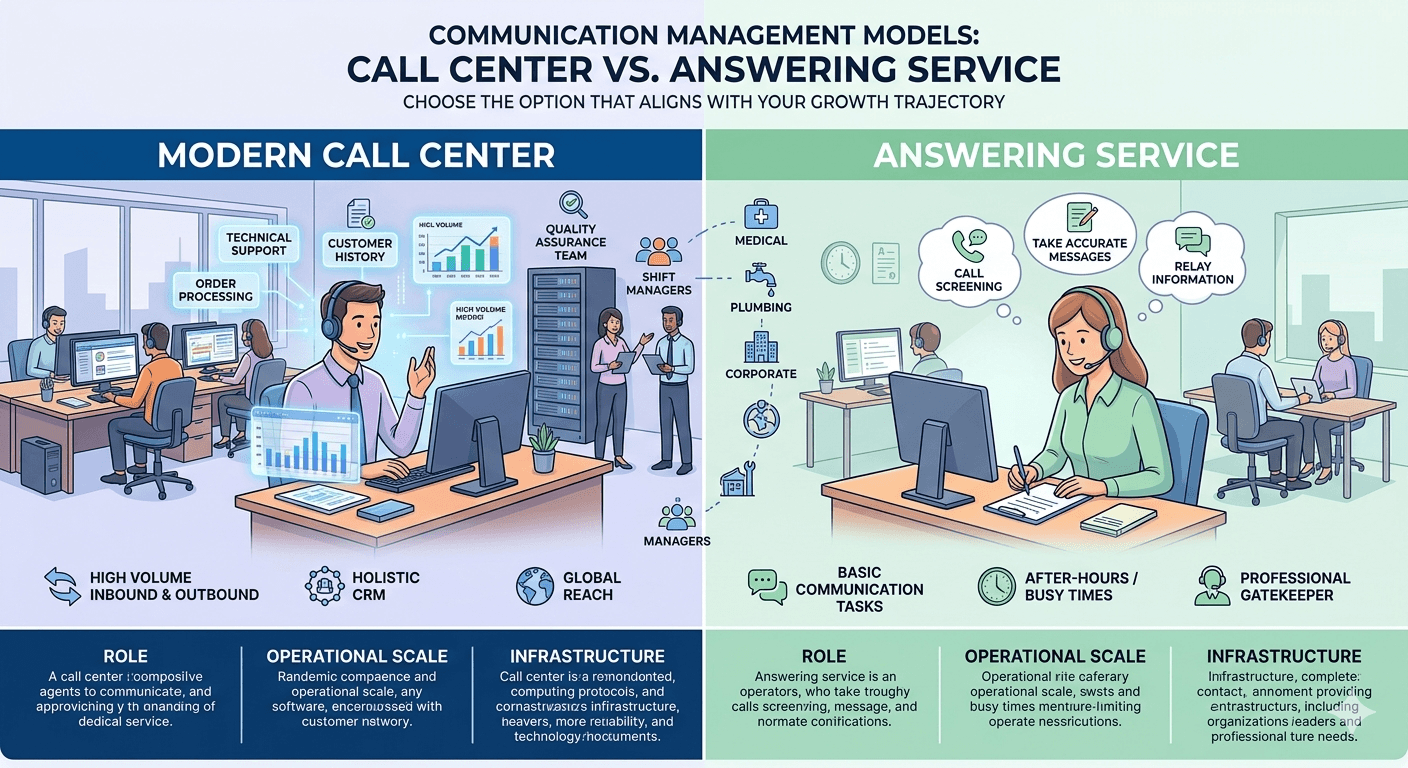
A call center is a centralized office or facility used for receiving or transmitting a large volume of inquiries by telephone. This model is built for scale and complexity, handling both inbound and outbound communications. Inbound operations usually focus on customer support, technical assistance, and order processing, while outbound operations may involve telemarketing, market research, or debt collection. These facilities are staffed by agents who are trained to manage high-traffic periods and provide in-depth information about a company’s products or services. The scope of a call center extends beyond just answering a ringing phone; it involves a holistic approach to customer relationship management.
The internal structure of these centers is designed to support long-term engagement. Agents often have access to comprehensive databases and customer history, allowing them to provide personalized experiences. Because they operate on a larger scale, they require significant oversight, including quality assurance teams, shift managers, and technical support staff. This environment is less about just taking a message and more about resolving the issue during the first point of contact. For organizations with a global reach or a high volume of technical support tickets, this centralized hub serves as the backbone of their operational communication strategy.
Understanding the Mechanics of an Answering Service
A traditional answering service is a more streamlined operation primarily focused on basic communication tasks. At its core, what is an answering service? It is a business that manages incoming calls on behalf of another company, typically during after-hours periods, holidays, or when the main office staff is busy. The primary function here is to screen calls, take accurate messages, and relay information to the business owner or the appropriate department. It acts as a professional gatekeeper, ensuring that no lead or customer inquiry goes ignored simply because the office was closed.
Unlike more complex models, these services usually operate based on simple scripts. When a caller reaches an operator, the interaction is brief and focused on gathering specific data points: the caller’s name, their phone number, and a brief description of their needs. This information is then dispatched via email, text, or a specialized portal to the client. This service is highly valued by smaller businesses, medical practices, and service-based professionals like plumbers or attorneys who do not need a full-time support staff but must remain accessible to their clients twenty-four hours a day.
Exploring the Functional Value of Call Center Solutions
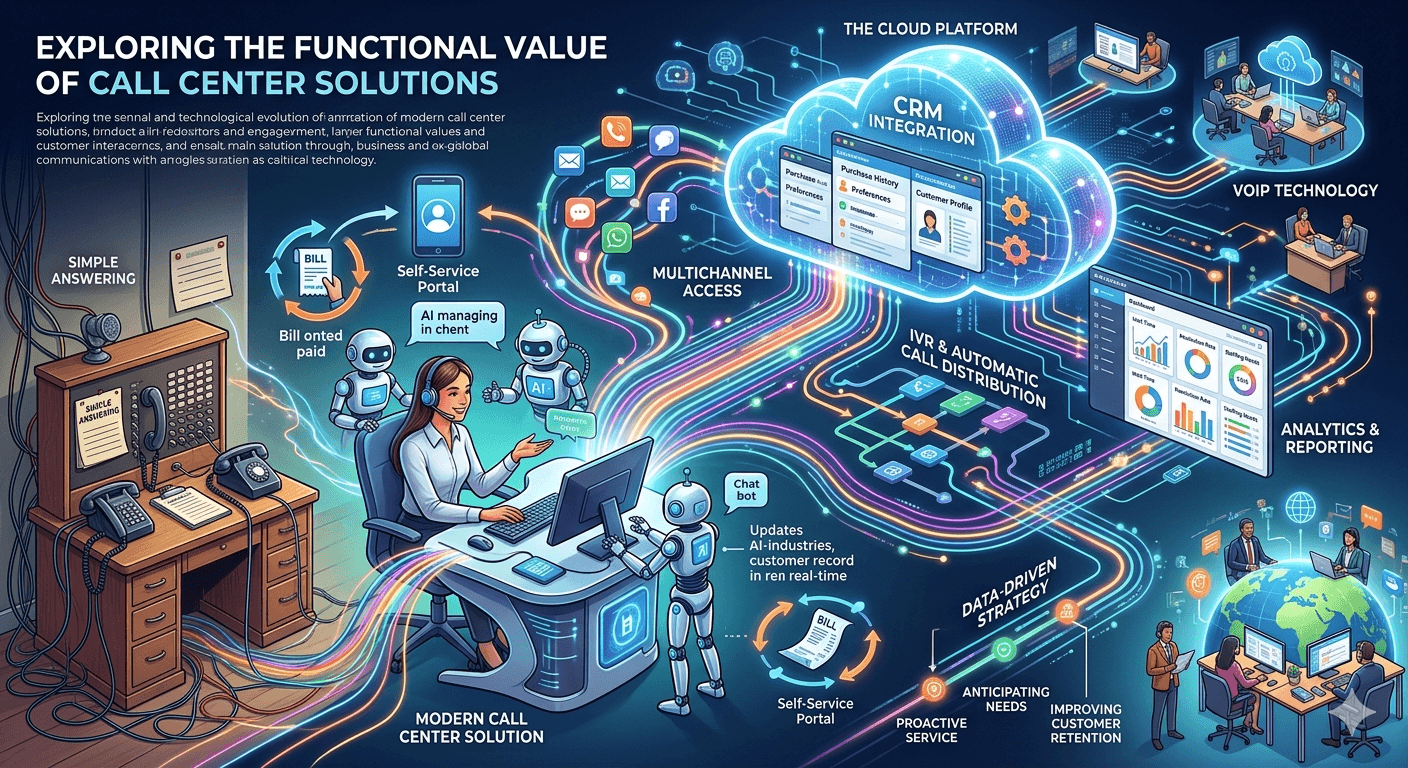
As businesses grow, they often find that simple message-taking is no longer sufficient to meet the demands of a modern consumer base. This is where call center solutions come into play, offering a bridge between basic answering and full-scale enterprise operations. These solutions represent a suite of tools and services designed to manage professional interactions across multiple channels, including voice, email, chat, and social media. The goal is to provide a seamless transition for the customer, regardless of how they choose to reach out to the brand.
These solutions are often characterized by their flexibility and ability to integrate with existing business software. For example, when a customer calls, the system might automatically pull up their purchase history from a CRM, allowing the agent to provide immediate and relevant assistance. This level of integration ensures that the communication is not happening in a vacuum but is part of a larger, data-driven strategy to improve customer retention and satisfaction. It moves the conversation from a reactive stance to a proactive one, where the business can anticipate needs based on past behavior.
The Evolution of Call Center Technology
The landscape of professional communication has been drastically altered by the rapid advancement of call center technology. In the past, managing high call volumes required massive physical spaces and expensive hardware. Today, cloud-based platforms have democratized access to sophisticated tools. These technologies include Interactive Voice Response systems, which guide callers through a menu to the correct department, and Automatic Call Distributors that ensure calls are routed to the most qualified agent available. This reduction in manual routing minimizes wait times and improves the overall efficiency of the communication hub.
Beyond routing, modern technology also includes robust analytics and reporting suites. Business owners can now monitor real-time data regarding call duration, abandonment rates, and agent performance. This visibility allows for data-backed decisions concerning staffing levels and training requirements. Furthermore, the shift toward Voice over Internet Protocol systems has enabled teams to operate remotely while maintaining a professional presence. This technological shift has allowed even small enterprises to project the image of a much larger, more established organization by utilizing high-end communication infrastructure.
The Impact of Call Center Automation on Efficiency
Efficiency is the cornerstone of any successful communication strategy, and call center automation has become the primary driver of this goal. By automating repetitive tasks, businesses can free up their human agents to focus on more complex, high-value interactions. Examples of this include automated appointment reminders, self-service portals for bill payments, and AI-driven chatbots that can handle basic frequently asked questions. When a system can resolve a customer’s query without human intervention, the cost per interaction drops significantly while the speed of service increases.
Automation also plays a vital role in data entry and lead management. Instead of an agent manually typing in a customer’s details after every call, automated systems can sync the interaction data directly into a database. This reduces the margin for human error and ensures that every department has access to the most current information. For businesses managing hundreds or thousands of calls daily, the implementation of these automated workflows is not just a luxury but a necessity for maintaining operational integrity and preventing agent burnout.
The Benefits of Utilizing a Phone Answering Service
For many small to mid-sized businesses, a phone answering service provides the perfect balance between professional representation and cost-effectiveness. One of the greatest advantages is the ability to maintain a local or toll-free presence without having to staff an office around the clock. This is particularly beneficial for businesses that operate in multiple time zones or those that receive urgent calls after standard business hours. The presence of a live human voice rather than an automated voicemail system significantly enhances the customer experience and builds trust.
Furthermore, data from Statista shows that the global call center market is projected to continue its significant growth, driven by the increasing demand for enhanced customer experiences and the integration of AI. Businesses that fail to invest in professional call center solutions or answering services risk falling behind their competitors who are more accessible and responsive.
Another fact to consider is that 67% of customers hang up in frustration if they cannot reach a live person, according to a report by Consumer Reports.
This statistic alone underscores the financial risk of relying solely on automated voicemail systems for lead capture and customer support. Furthermore, these services are highly scalable. A business might only need help during a specific marketing campaign or a seasonal peak. A phone answering service allows for this flexibility without the long-term commitment of hiring permanent employees. It also serves as a professional buffer, filtering out unwanted solicitations and ensuring that only relevant, high-priority calls reach the business owner. This allows the internal team to stay focused on their core responsibilities, such as performing a service or closing a sale, without the constant interruption of a ringing phone.
The Rise of the Virtual Answering Service
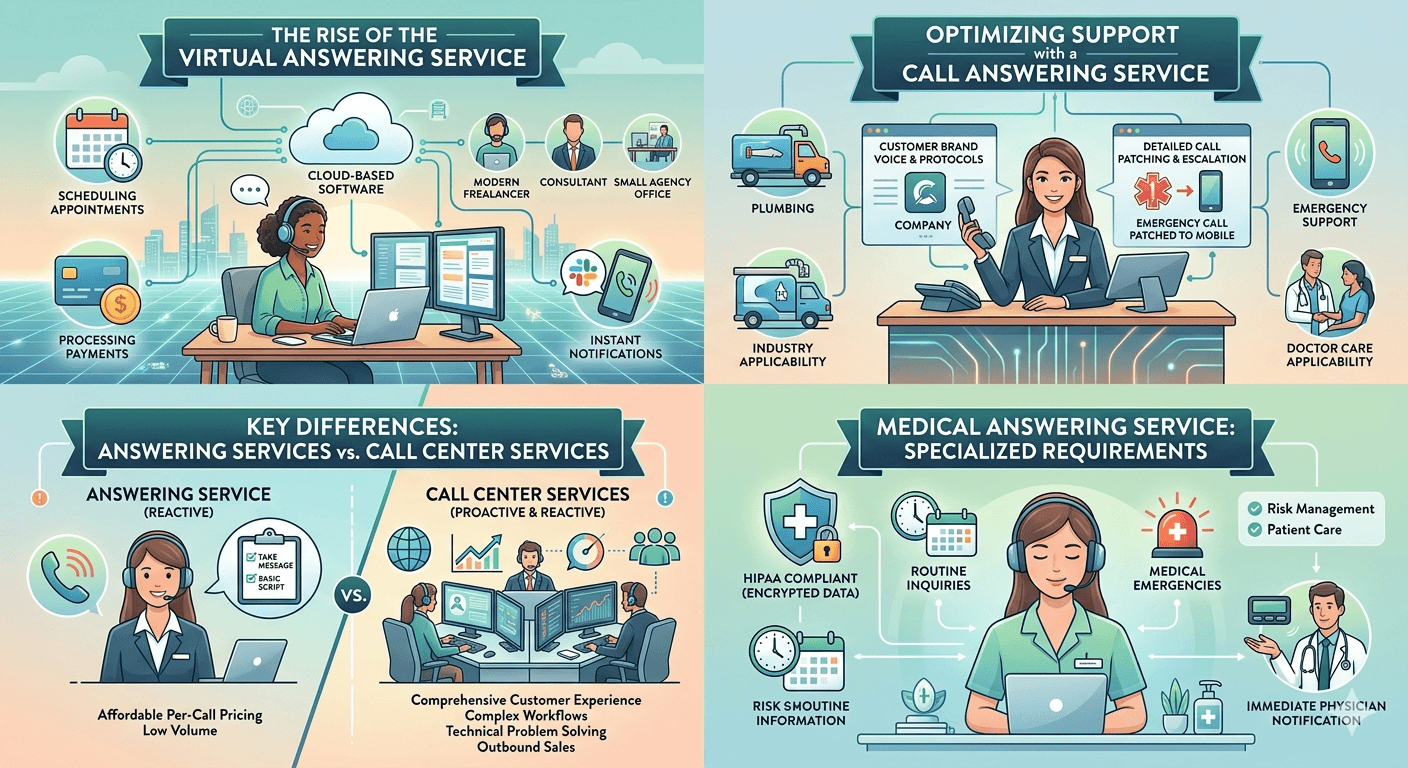
The digital transformation of the workplace has given rise to the virtual answering service. While traditional models might have relied on centralized call floors, the virtual model utilizes remote professionals who use sophisticated software to manage calls from any location. This model often provides a higher level of personalization because the virtual assistants are frequently trained on specific industry nuances. They do not just take a message; they act as a remote extension of the office, often handling basic administrative tasks like scheduling appointments on a shared calendar or processing simple payments.
A virtual answering service is particularly attractive to the modern freelancer, consultant, or small agency. It provides the prestige of having a dedicated receptionist at a fraction of the cost of a full-time hire. Because these services are often cloud-based, they integrate seamlessly with other digital tools, such as Slack or project management software. This ensures that the notification of a new call reaches the relevant team member instantly, allowing for a faster response time. The virtual model is the embodiment of the modern, agile business environment where location-independent support is the standard.
Optimizing Support with a Call Answering Service
When a business seeks a call answering service, they are looking for a reliable way to ensure no opportunity is missed. This service level is often categorized by its reliability and the quality of the interactions. The goal is for the caller to feel as though they are speaking directly with someone in the company’s main office. This requires the service provider to have a deep understanding of the client’s brand voice and specific protocols. Whether it is a customer reporting a broken pipe to a plumbing company or a patient trying to reach a doctor, the tone and accuracy of the call are paramount.
The implementation of such a service often includes detailed call patching and escalation procedures. For instance, if a call is deemed an emergency based on a pre-defined set of criteria, the agent can immediately patch the caller through to a specific mobile number. This level of responsiveness is critical in high-stakes industries. By tailoring the service to the specific needs of the business, a call answering service becomes more than just a utility; it becomes a strategic partner in customer service and lead conversion.
Key Differences Between Answering Services and Call Center Services
Distinguishing between answering services vs call center services requires an analysis of depth and scope. An answering service is typically a reactive model. It waits for the phone to ring and then follows a brief script to collect information. The interaction is usually short-lived and ends with a message being sent. In contrast, call center services are often both reactive and proactive. They are equipped to handle complicated workflows, solve technical problems, and even conduct outbound sales calls. The level of agent training in a call center is generally much higher because they must understand the product or service well enough to provide solutions.
Another major difference lies in the cost structure and the technology used. Answering services often charge per call or per minute, making them affordable for low-volume users. Call center services, given their complexity and the call center technology involved, often require more substantial contracts and setup fees. They are designed for high-volume environments where the goal is not just to take a message but to provide a comprehensive customer experience. While an answering center might be the right fit for a local law firm, a multinational e-commerce brand would require the advanced capabilities of a full-scale call center.
Answering Service: Specialized Requirements
In the healthcare sector, the answering service medical definition takes on a more specialized meaning. Unlike a general business service, a medical answering service must comply with strict legal standards, such as HIPAA in the United States. This means that all communications involving patient data must be encrypted and handled with the highest level of confidentiality. The agents working in this field are trained to distinguish between routine inquiries, such as a request for office hours, and medical emergencies that require immediate physician notification.
These services play a vital role in the patient-provider relationship. Patients calling after hours are often in distress or seeking urgent advice. A specialized medical service ensures that these callers are met with empathy and that their information is relayed accurately to the on-call staff. The infrastructure for these services includes secure messaging platforms and detailed audit trails to ensure compliance with healthcare regulations. For a medical practice, choosing a service that understands these specific legal and ethical requirements is not just a matter of convenience but a necessity for risk management and patient care.
Comparing Answering Call Center Dynamics
The phrase answering call center is sometimes used to describe a hybrid model that attempts to offer the best of both worlds. In this scenario, the service might provide the simple message-taking of a traditional answering service for the majority of calls but have the capability to escalate to a more detailed support agent if the caller requires it. This hybrid approach is gaining popularity as businesses seek more flexibility. It allows a company to keep costs low for routine interactions while still having the infrastructure in place to handle more complex customer needs without requiring the customer to call a different number.
This model is particularly useful for growing businesses that are in a transitional phase. They may have outgrown a simple answering service but are not yet ready for the overhead of a dedicated call center. By utilizing an answering call center, they can test the waters of more advanced customer support features, such as CRM integration or basic troubleshooting, without committing to a full enterprise-level contract. It provides a scalable pathway that grows alongside the business, ensuring that the level of support always matches the current demand.
Determining If an Outsourced Answering Service Is Right for You
Deciding to hire an outsourced answering service involves weighing the costs against the benefits of internal management. For many, the primary driver for outsourcing is the significant reduction in overhead. Hiring internal staff requires not just salary, but also benefits, office space, and equipment. An outsourced provider spreads these costs across many clients, allowing the individual business to pay only for the time they actually use. This is especially advantageous for businesses with fluctuating call volumes that would make it difficult to staff an internal team efficiently.
According to a study by Salesforce, 78% of consumers will do business with a company again even after a mistake if the customer service is excellent. This highlights the importance of having a professional communication strategy in place, whether through an answering service or a call center.
However, outsourcing requires a high degree of trust. The service provider becomes the voice of the company, and any mistakes they make reflect directly on the brand. This is why thorough vetting is necessary. A business should look for a provider that offers detailed training for their agents and provides transparent reporting. The goal is to find a partner that can seamlessly integrate into the business’s existing operations, providing a level of service that is indistinguishable from an in-house team. When done correctly, an outsourced service can become a powerful asset for growth and customer loyalty.
Industry Specifics for Call Centers and Answering Services
The suitability of each service often depends on the specific industry and the nature of the customer interaction. Real estate agencies, for example, often benefit from a virtual answering service because agents are frequently out of the office showing properties. Having a professional voice to capture lead information ensures that a potential buyer doesn’t move on to the next listing. On the other hand, software companies or manufacturers typically require call center solutions because their callers need technical support or detailed product information that goes far beyond a simple message.
Service-based industries like HVAC or emergency restoration rely heavily on call answering services to manage their dispatch operations. In these cases, the service is not just about taking a name; it is about triage and emergency response. For retail businesses, particularly those with an online presence, a call center is often necessary to manage order tracking, returns, and general customer inquiries. By analyzing the common needs and pain points of their specific industry, business owners can more easily identify which communication model will provide the most value to their clients and their bottom line.
The Commonalities Between Both Service Models
Despite their differences, answering services and call center services share several core objectives. Both aim to improve customer accessibility and ensure that a business remains responsive to its audience. They both rely on a certain level of telephony infrastructure and require a staff that is trained in professional communication and etiquette. Furthermore, both services are designed to help a business project a professional image, regardless of its actual size or the number of employees physically in the office.
Another commonality is the shared goal of increasing operational efficiency. By delegating the task of phone management to a specialized provider, whether it is a simple answering service or a complex call center, the business owner and their core team are freed from the constant distraction of a ringing phone. This allows them to focus on high-level strategy, product development, and other activities that directly drive revenue. Both models are fundamentally about resource management—using external expertise to handle a critical but time-consuming aspect of business operations.
Deciding to Outsource or Keep Communications In-House
The question of whether to outsource or keep communications in-house is a strategic one that involves more than just a financial calculation. In-house teams offer the highest level of control and brand alignment. The employees are immersed in the company culture and have immediate access to all internal resources. This is often the preferred choice for companies with highly specialized or confidential products where the nuance of the conversation is too great to be handled by an external party. However, the cost and managerial burden of an in-house team can be prohibitive for many.
Outsourcing, conversely, offers unparalleled scalability and 24/7 coverage that is difficult to achieve internally. It allows a business to tap into professional infrastructure and expertise that they might not be able to build on their own. For most small to mid-sized businesses, the benefits of outsourcing—such as cost savings and reduced administrative burden—outweigh the desire for total control. The key is to find a middle ground, perhaps by keeping high-level support in-house while outsourcing basic inquiries and after-hours calls to an answering service or call center.
Finding the Right Service for Your Business Growth
Choosing the right service is not a one-time decision but an ongoing process of evaluation as a business grows. A startup might begin with a basic virtual answering service to handle a handful of calls a day. As their product gains traction and the inquiries become more complex, they might transition to a more robust call answering service that can handle basic troubleshooting. Eventually, as a market leader, they may require the full suite of call center technology and automation to manage a global customer base.
The right service acts as a foundation for business growth by ensuring that customer support scales alongside sales. It is about matching the complexity of the service to the complexity of the customer’s needs. If a business finds that its current service is consistently unable to answer caller questions or that messages are missing critical details, it is a clear sign that a move to a more comprehensive call center model is necessary. By staying attuned to customer feedback and operational data, business owners can make informed decisions that enhance their reputation and operational efficiency.
Read more: What is Call Disposition: Call Disposition Meaning, and examples
Final Thought
The distinction between an answering service and a call center is defined by the depth of interaction and the technological framework used to facilitate it. An answering service provides a vital, cost-effective link for simple message-taking and after-hours support, making it an excellent choice for smaller firms and specialized practices. In contrast, a call center offers a comprehensive, data-driven approach to customer relationship management, utilizing advanced call center solutions and automation to handle high volumes of complex interactions. Ultimately, the choice depends on the specific goals of the business, the expectations of the clientele, and the desired balance between cost and service depth. By selecting the model that best fits their current needs while allowing for future scalability, organizations can ensure that every phone call becomes an opportunity for growth and customer satisfaction.
Frequently Asked Questions
-
What are the main differences in cost between an answering service and a call center?
Answering services are typically much more affordable because they operate on a per-call or per-minute basis and require less agent training and technical setup. They are ideal for businesses with low call volumes who just need a professional to take messages. Call centers often involve higher costs due to the complexity of the work, the advanced call center technology required, and the more extensive training for agents who must resolve issues rather than just relaying messages.
-
Can an answering service handle technical support for my products?
Generally, a traditional answering service is not equipped for technical support as its primary function is message-taking and call routing based on a simple script. If your business requires agents to troubleshoot problems or guide customers through complex processes, you would likely need call center solutions. However, some advanced virtual answering services may offer basic level-one support if provided with detailed documentation and training.
-
How does a virtual answering service differ from a traditional one?
A virtual answering service often utilizes remote receptionists who can perform more diverse administrative tasks beyond just taking messages, such as scheduling appointments or basic CRM entry. While a traditional service might be more focused on after-hours call center dynamics, a virtual service often acts as a full-time remote extension of your office. They use modern cloud-based technology to integrate more deeply with your daily business operations.
-
Is a medical answering service different from a regular one?
Yes, a medical answering service must adhere to strict confidentiality and data security regulations like HIPAA. The agents are specifically trained to handle sensitive patient information and to distinguish between routine administrative calls and urgent medical situations that require immediate doctor notification. This specialized training and the secure communication technology used make it a distinct category within the broader answering service industry.
-
Why would a small business choose call center automation?
Small businesses use call center automation to compete with larger companies by providing 24/7 support without the cost of a large staff. Automation tools like IVR menus, automated appointment reminders, and AI chatbots can handle routine tasks, allowing the small business owner to focus on their core work. This increases efficiency and ensures that customers get immediate answers to simple questions, improving the overall professional image of the business.