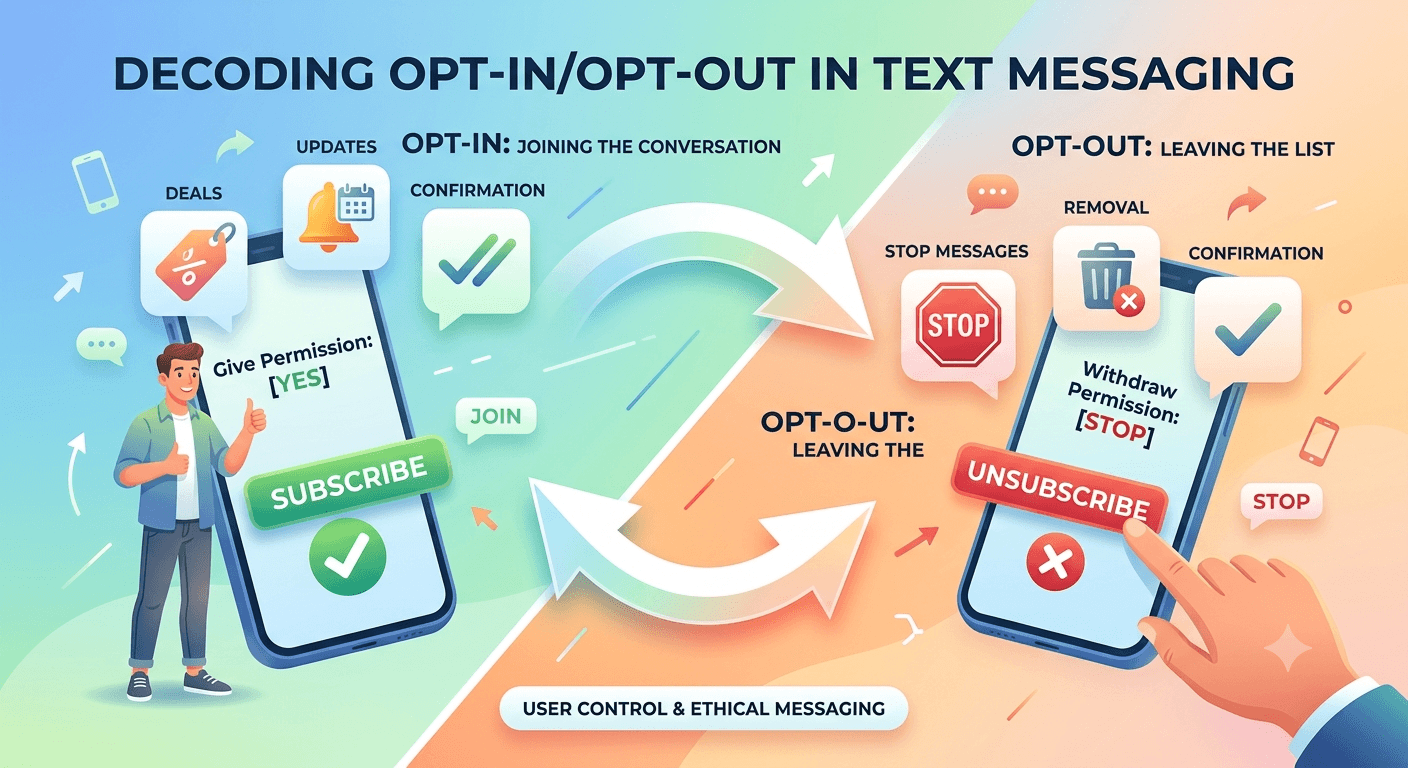
In the world of digital communication, understanding what does opt mean in text is essential for both consumers and businesses. Generally, the word opt refers to making a choice or selection. In the specific context of mobile messaging, it describes the process where a person chooses to join or leave a messaging list. Opting in means you are giving a business permission to send you messages, while opting out means you are withdrawing that permission to stop receiving further communications. This system ensures that users have control over their digital inbox and helps businesses maintain a compliant and respectful relationship with their audience.
What Does Opt In Mean in Text Messaging
The digital landscape is heavily regulated to protect users from unwanted spam. When we discuss the concept of what does opt mean in text messaging, we are primary looking at the gateway of communication. Opting in is the formal process of a user consenting to receive SMS or MMS messages from a specific brand or organization. This is not just a polite gesture but a requirement in many jurisdictions to ensure that mobile users are not bombarded with messages they never asked for.
This process transforms a standard mobile number into a verified lead for a business. By choosing to text opt, a consumer signals that they value the information or services provided by that entity. It creates a bridge between a company and its customers, built on the foundation of explicit consent. Without this step, any message sent could be considered unsolicited, leading to potential legal issues for the sender.
What Does Opt, Opt In, or Opt-Out Mean?
The root of these terms lies in the word option. To opt is to make a specific choice among various alternatives. In the realm of mobile technology, this choice usually involves a subscription to a service or a notification list. When you decide to opt into text messages, you are effectively subscribing to a feed of information, alerts, or marketing materials sent directly to your mobile device.
On the other side of the coin, we have the term opt-out. Understanding what does opt out mean in text is just as important as knowing how to join. This is the process of unsubscribing. If a user no longer finds value in the messages they are receiving, they can use a specific command or link to remove their number from the database. This ensures the choice text remains in the hands of the consumer throughout the entire lifecycle of the communication.
The opt meaning in text slang or professional jargon remains consistent: it is about the power of selection. Whether you are looking at it from a technical standpoint or a casual conversational one, opting signifies a voluntary action. Businesses use these mechanisms to filter their audience, ensuring they only spend resources on individuals who actually want to engage with their content.
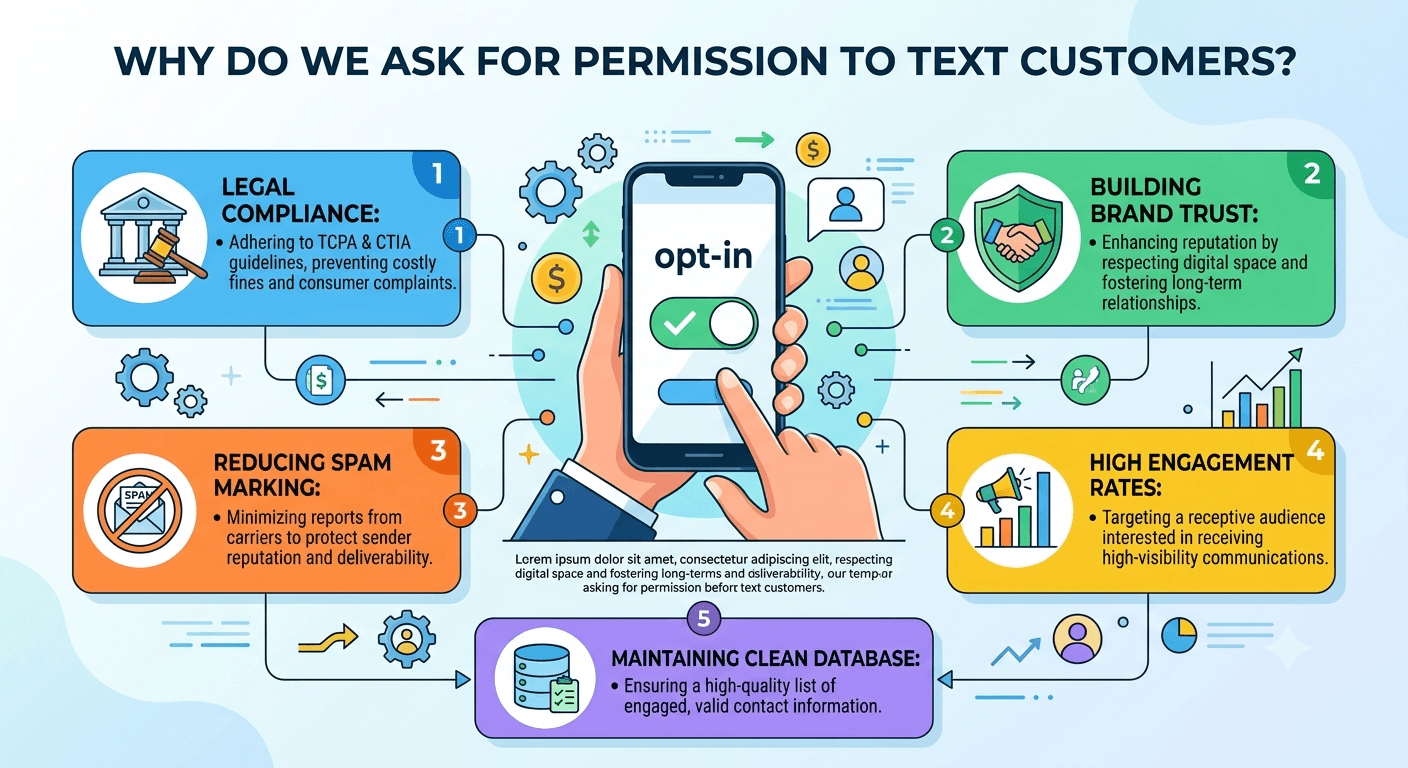
Why Do We Ask for Permission to Text Customers?
Permission is the cornerstone of ethical marketing and communication. Businesses ask for an opt in sms because it is legally mandated by regulations such as the Telephone Consumer Protection Act (TCPA). According to research by the FCC, unsolicited text messages are a leading cause of consumer complaints, which led to the establishment of strict guidelines requiring prior express written consent before a business can reach out via text.
Beyond the legalities, asking for permission builds a sense of trust and transparency. When a business respects a customer’s digital space, it enhances the brand’s reputation. Research indicates that SMS has an open rate as high as 98%, making it a highly intimate channel. Because of this high visibility, invading that space without permission is often seen as a significant breach of privacy, which can permanently damage a customer relationship.
-
Legal compliance with TCPA and CTIA guidelines.
-
Building long-term brand trust with the audience.
-
Reducing the likelihood of being marked as spam by carriers.
-
Ensuring high engagement rates by targeting interested users.
-
Maintaining a clean and high-quality database of contacts.
How Do You Ask Your Customers to Opt-In?
There are several creative and effective ways to encourage an opt in to text messaging. Businesses often use keywords that customers can text to a short code, such as texting JOIN to 12345. Other common methods include web forms where users check a box to receive updates, or QR codes placed in physical locations that open a pre-filled text message on the user’s phone.
The key to a successful invitation is clarity. Customers need to know exactly what they are signing up for, how often they will receive messages, and that message and data rates may apply. By making the process simple and transparent, businesses can increase the number of people who choose to opt in text programs.
-
Examples of opt-in text messages
-
-
-
Text DEALS to 55577 to receive weekly discount codes and flash sale alerts from Our Store!
-
Hi there! Check this box to receive appointment reminders and office updates via SMS.
-
Scan this QR code to join our VIP club and get a free appetizer on your next visit!
-
Reply YES to this message to confirm you want to receive shipping updates for your order.
-
Join our community by texting UPDATE to 88990 for the latest news and event invitations.
-
-
What is Double Opt-In?
A double opt-in is an extra layer of verification used to ensure that the person signing up actually intended to do so. In this scenario, after a user performs the initial action to opt in messages, they receive an automated text asking them to confirm their choice. Usually, they are asked to reply with a keyword like Y or CONFIRM to finalize their subscription.
This method is highly recommended because it prevents accidental sign-ups or malicious entries of someone else’s phone number. It serves as a definitive record of consent, which is incredibly valuable for businesses during audits. While it adds an extra step for the user, it ensures that the resulting list is comprised of highly engaged and intentional subscribers who truly want to receive the content.
How Do Customers Opt Out?
The process of leaving a messaging list must be as easy, if not easier, than joining it. Most automated systems are programmed to recognize specific universal keywords that trigger an immediate removal from the list. When a user decides they have had enough, they can send a simple command to stop the flow of incoming messages.
Once an opt-out command is received, the business is legally required to send one final confirmation message acknowledging the request and stating that no further messages will be sent. After this, the number must be removed from the active mailing list immediately. Failure to honor these requests can result in significant fines and carrier blocks.
-
Examples of opt-out messages
-
-
-
You have successfully unsubscribed. You will no longer receive messages from us. Reply HELP for assistance.
-
Our Store: You have opted out and will not receive further promotional texts.
-
Confirmed: You are removed from the alert list. Text START to rejoin at any time.
-
We’re sorry to see you go! You have been unsubscribed from all SMS updates.
-
Notification: Your request to opt out has been processed. No more texts will be sent.
-
-
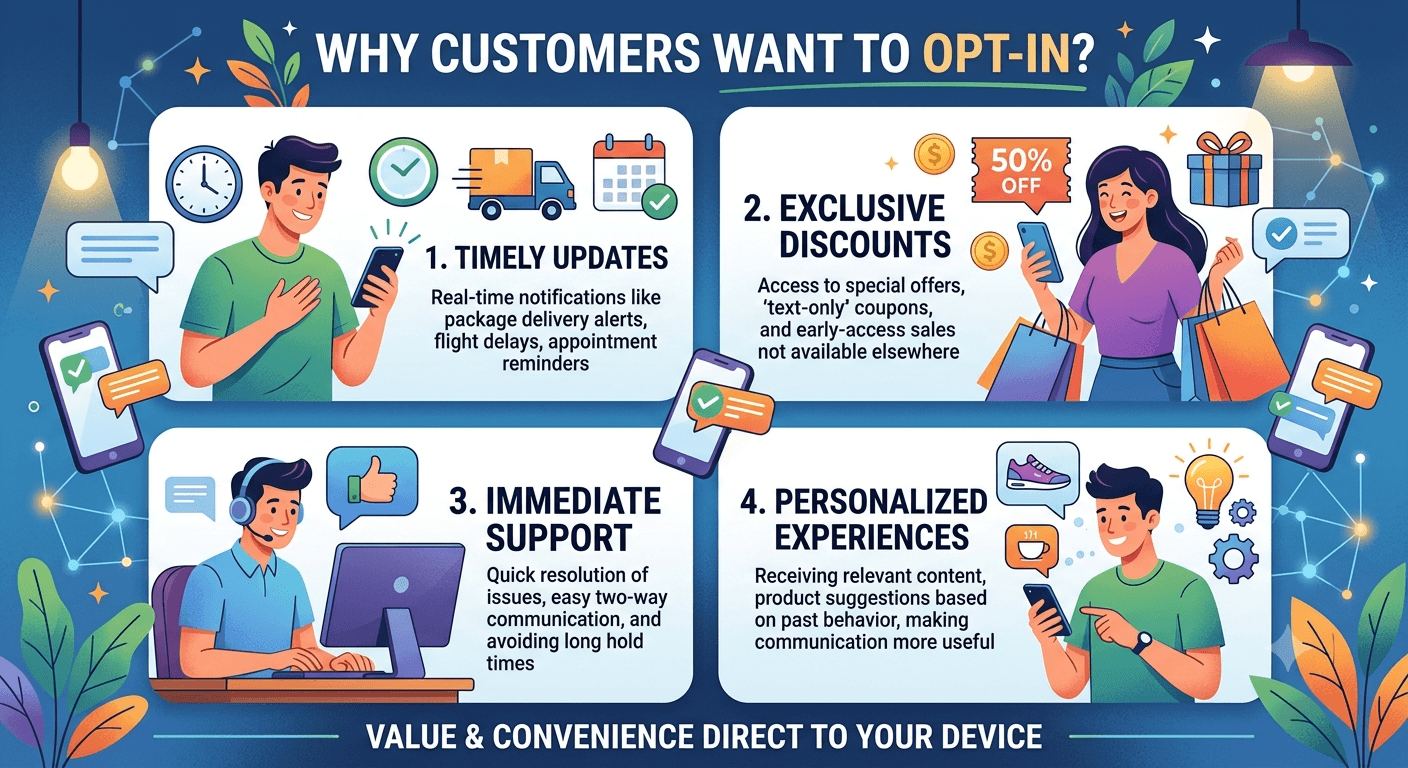
Why Would Customers Want to Opt-In?
Consumers choose to join text lists because of the convenience and value it provides. Unlike email, which can get lost in a cluttered inbox, a text message is immediate and easily accessible. Many people find it helpful to have important information delivered directly to the device they carry with them at all times.
A study by Juniper Research found that mobile messaging is preferred by over 60% of consumers for quick updates regarding orders and service changes. This preference stems from the desire for real-time interaction without the need to log into various apps or websites. When a business provides genuine value through this channel, customers are more than happy to participate.
-
Timely updates
Texting is the fastest way to deliver time-sensitive information. Whether it is a flight delay notification, a package delivery alert, or a reminder for a dentist appointment, these messages provide peace of mind. Customers opt in because they don’t want to miss critical windows of time that could affect their daily schedules.
-
Exclusive discounts
Many brands offer “text-only” deals to reward their loyal subscribers. By joining a list, customers gain access to coupons, early-access sales, and special promotions that are not available to the general public. This financial incentive is a major driver for increasing the number of people who opt into text messages.
-
Immediate support
Texting provides a low-friction way to get help. Customers can often reply to a message to ask a question or resolve an issue without waiting on hold for a phone representative. This level of accessibility makes the overall customer experience much smoother and more satisfying.
-
Personalized experiences
Modern SMS platforms allow businesses to send messages tailored to a customer’s past behavior or preferences. Instead of generic advertisements, users receive content that is relevant to their interests. This personalization makes the communication feel less like marketing and more like a helpful service.
Why Would Customers Want to Opt-Out?
Despite the benefits, there are several reasons why a person might choose to leave a text list. If the frequency of messages becomes overwhelming, it can turn from a helpful service into a nuisance. Users value their digital peace, and if a brand disrupts that balance too often, the consumer will quickly look for the exit.
-
Security
In an era of increasing digital scams, users are very cautious about who has their mobile number. If a customer suspects that their data is being shared or if they receive messages that look like phishing attempts, they will opt out immediately to protect their personal information.
-
Privacy
Mobile numbers are highly personal. If a user feels that a brand is being too intrusive or asking for too much information, they may decide to sever the connection. Maintaining a respectful distance and only sending necessary information is key to retaining subscribers.
-
Time management
Sometimes, a user simply wants to declutter their notifications. If they find they are no longer using a particular service or if their interests have changed, they will unsubscribe to save time and reduce distractions. It is a natural part of the digital lifecycle for users to periodically clean out their subscriptions.
Opt-In and Opt-Out Best Practices
To maintain a healthy SMS program, businesses should follow a set of established best practices. First and foremost, always make the opt-out instructions clear in every promotional message. Usually, this is done by adding “Reply STOP to cancel” at the end of the text. This transparency gives the user a sense of control and prevents frustration.
-
Always obtain explicit consent before sending the first message.
-
Include your brand name in every message so the user knows who is texting.
-
Keep the frequency of messages reasonable to avoid fatigue.
-
Ensure that the content provided is valuable and relevant to the user.
-
Honor all opt-out requests immediately and without question.
-
Use a double opt-in process for higher quality list building.
-
Provide a way for users to get help or more information by replying with HELP.
Another important practice is to monitor the timing of your messages. Sending texts in the middle of the night or too early in the morning is a quick way to see a spike in opt-outs. Respecting the “quiet hours” of your audience shows that you value their time and well-being, which contributes to a more positive brand image.
For more detailed information on mobile communication standards, you can visit the CTIA – The Wireless Association website, which provides comprehensive guidelines on consumer protection and messaging best practices.
Read More: What Does Teleconference Mean? Working, Types, and Advantages
Conclusion
Understanding what does opt mean in text is the first step toward mastering modern digital communication. For the consumer, it represents the power of choice and the ability to curate their own mobile experience. For the business, it represents a commitment to ethical marketing and a strategy for building deep, permission-based relationships with their audience. By respecting the boundaries of opt-in and opt-out protocols, both parties can enjoy a streamlined and beneficial exchange of information.
As mobile technology continues to evolve, the principles of consent will remain at the heart of the industry. Brands that prioritize the user’s preferences and provide genuine value will thrive, while those that ignore these signals will likely face declining engagement and legal hurdles. Ultimately, the choice to opt is a testament to the importance of mutual respect in the digital age.
Final Thought
Navigating the world of SMS marketing doesn’t have to be complicated if you keep the user’s experience at the forefront. By clearly defining what does opt mean in text and providing easy ways for users to manage their preferences, you create a sustainable ecosystem for communication. Remember that a smaller list of engaged, opted-in users is far more valuable than a large list of people who are ignoring or blocking your messages.
Faqs
-
What does opt mean in a text message?
The term opt in a text message refers to the act of making a choice regarding a subscription. It is most commonly used in the terms opt-in, which means joining a messaging list, and opt-out, which means leaving or unsubscribing from a list. This mechanism ensures that the recipient has full control over the types of automated or marketing messages they receive on their mobile device.
-
What is opt-in texting?
Opt-in texting is a permission-based communication method where a user explicitly agrees to receive SMS messages from a business or organization. This agreement is usually made by texting a keyword to a specific number, checking a box on a website, or entering a phone number into a physical sign-up sheet. It is a legal requirement for businesses to have this consent before sending promotional content.
-
What does opt mean?
At its core, opt means to make a choice or to decide in favor of something. In the context of technology and communications, it specifically refers to the user’s decision to participate in a program, service, or data-sharing agreement. It represents the voluntary nature of the interaction between a user and a service provider.
-
What’s an opt-in slang?
In casual or slang terms, opt-in is often used to describe any situation where someone is choosing to join an activity or agree to a proposal. While it originated in technical and legal contexts, people now use it in everyday conversation to say they are “on board” or “down” for a specific plan. It signifies a proactive agreement to be included in whatever is being discussed.
-
How do I opt out of a text?
To opt out of a text message, you simply need to reply to the message with a standard keyword such as STOP, QUIT, END, CANCEL, or UNSUBSCRIBE. Most legitimate business messaging platforms are programmed to recognize these words instantly. Once you send the keyword, you should receive a final confirmation message stating that you have been removed from the list.
-
Is opting in the same as subscribing?
Yes, in the context of mobile messaging, opting in is functionally the same as subscribing. Both terms imply that a user has taken a specific action to join a list and receive ongoing updates. The main difference is that opt-in is the technical and legal term used to describe the process of giving consent, whereas subscribe is a more general term used across various media like YouTube or newsletters.
-
Can a business text me without my opt-in?
Generally, no. Under regulations like the TCPA, businesses are prohibited from sending automated marketing text messages without prior express consent from the recipient. There are very few exceptions, such as emergency alerts or purely transactional messages if you already have an established business relationship, but for promotional content, an opt-in is mandatory.
-
Why did I get a text after I opted out?
If you receive a text after opting out, it is usually a single confirmation message required by law to let you know your request was processed. However, if you continue to receive marketing messages after that, it may be due to a system error or a non-compliant sender. In such cases, you can report the number as spam or contact the business directly to resolve the issue.