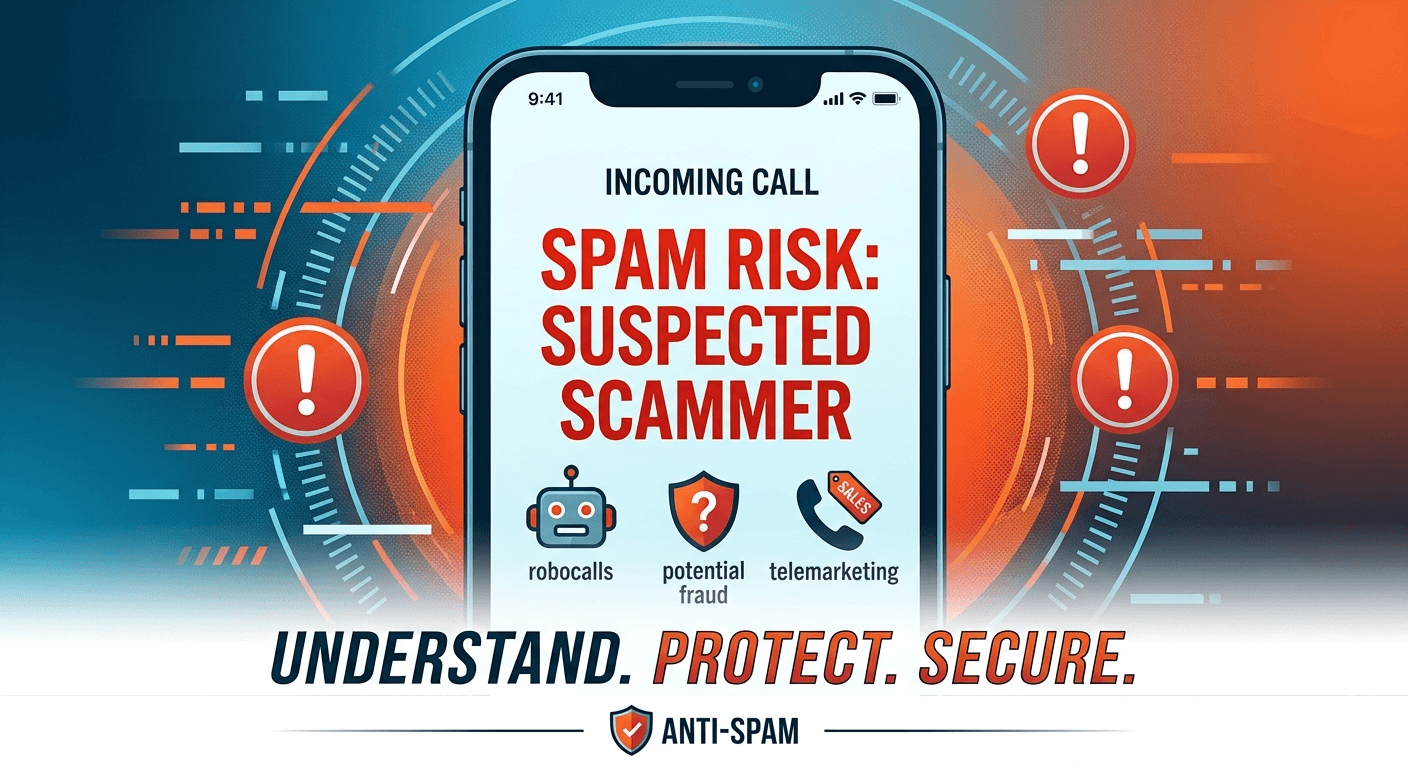
Understanding the spam risk meaning is essential for protecting your personal information and maintaining peace of mind in a digital world. When your phone displays a spam risk label, it indicates that your mobile carrier has identified the incoming call as potentially fraudulent, a telemarketing pitch, or a robocall. This identification is based on historical data, calling patterns, and databases of known scam numbers. By recognizing what is spam risk, you can make informed decisions about whether to answer or block the communication. Taking proactive steps to manage these calls helps prevent identity theft and reduces daily digital interruptions.
What is Spam Risk and What Does the Label Mean?
The spam risk meaning refers to a notification system used by telecommunication providers to alert users about suspicious incoming calls. When a call is flagged, your smartphone uses real-time analytics to compare the incoming number against a massive database of reported scammers and telemarketers. This system is designed to act as a first line of defense, helping you identify what is spam risk before you even pick up the device. If the calling number has been reported multiple times by other users or exhibits behavior typical of an automated dialer, the carrier attaches a warning label to the caller ID.
This label can appear in various forms depending on your service provider and device type. You might see terms like potential spam, scam likely, or suspected spam caller. These warnings are generated through sophisticated algorithms that track the volume of calls coming from a single source. For instance, if one number makes thousands of calls in a single hour, it is immediately categorized under the spam risk meaning framework. This helps users distinguish between a legitimate contact and a generic call scammer trying to reach a wide audience.
Essentially, the label is a signal that the call does not originate from a verified or trusted source. It serves as a digital gatekeeper, allowing you to ignore calls that are likely to be intrusive or dangerous. Understanding what does spam risk mean helps you realize that you are not being singled out; rather, you are part of a broad target list used by automated systems. These labels are part of a larger effort by the industry to restore trust in voice communications as the volume of fraudulent activity continues to rise globally.
How Mobile Carriers Detect Potential Spam
Mobile carriers use a combination of technologies to determine the spam risk meaning for every incoming call. One of the primary methods is through the implementation of the STIR/SHAKEN framework. This is a set of technical standards and protocols that allow carriers to verify that the caller ID information matches the actual origin of the call.
According to the Federal Communications Commission, this technology is vital in reducing the effectiveness of caller ID spoofing, where scammers hide their identity behind a familiar or local number to trick recipients.
Another layer of detection involves analyzing the digital “fingerprint” of a call. Carriers look at the route the call takes through various international and domestic gateways. If a call originates from a known high-risk region but appears as a local number, the system will likely trigger a spam suspected caller id warning. This multi-layered approach ensures that the spam risk meaning is applied accurately, though no system is entirely perfect. The goal is to provide a safety net that filters out the majority of high-risk interactions before they reach the consumer.

Why You Suddenly Receive Tons of Spam Calls
Many people wonder why they experience a sudden and random increase in spam calls. Often, this happens because your phone number has been included in a new lead list sold on the dark web or shared between marketing firms. If you recently entered your number into a contest, signed up for a new loyalty program, or provided your contact details on an unsecured website, your information may have been harvested. Once a single spammer has your number, they often sell it to others, leading to tons of spam calls all of a sudden.
Data breaches are another significant factor in why you keep getting spam risk calls. When a major retailer or social media platform experiences a security leak, millions of phone numbers are exposed. Scammers use automated software to dial these numbers in bulk to see which ones are active. If you answer, even for a second, your number is marked as a “live” line, which can lead to an even greater influx of calls. This cycle explains why have spam calls increased for so many people simultaneously across different regions.
Furthermore, the rise of Voice over Internet Protocol technology has made it incredibly cheap for scammers to make thousands of calls from anywhere in the world. They use software to cycle through number combinations, a process known as “wardialing.” This technology allows them to bypass traditional long-distance costs and operate at a massive scale. When combined with automated scripts, this leads to the constant spam phone calls that many mobile users find so frustrating. The sheer volume of these attempts is why is there an increase in spam calls globally.
The Common Sources of Spam Risk Calls
Identifying who is spam risk often leads to several common categories of callers. The most frequent source is telemarketers who work for legitimate but aggressive companies trying to sell insurance, solar panels, or extended car warranties. While these calls are annoying, they are generally not illegal. However, because they use automated dialing systems to reach thousands of people, they fall under the spam risk meaning category and are flagged by carriers to protect consumer privacy.
Another major source is the “robocaller,” which is an automated machine that plays a pre-recorded message once the call is answered. These are frequently used for political campaigning, charity solicitations, or public service announcements. However, scammers also use this technology for fraudulent purposes, such as the “IRS scam” or “Social Security scam,” where they attempt to frighten people into giving up personal financial data. These types of interactions are the primary reason why people seek ways to avoid spam calls and protect their identity.
The most dangerous source is the professional scammer who uses social engineering to manipulate victims. These individuals often use a local area code to appear more trustworthy, a tactic known as neighbor spoofing. They might pretend to be from your bank or a delivery service. Research by security firms suggests that the average person loses hundreds of dollars if they fall for these sophisticated phone call scam tactics. Understanding the spam risk meaning helps you realize that even if a number looks local, the underlying intent could be highly malicious.
What Happens if You Answer a Spam Risk Call?
One of the biggest concerns for users is what happens when you answer a spam call. The immediate consequence is that you confirm your phone number is active and monitored by a real person. This simple act makes your number more valuable to scammers, who will then add you to “high-value” lists that are sold at a premium. Once you answer, you are likely to see a significant spike in the number of calls you receive because the automated systems now know there is a human on the other end.
In some cases, answering a call can lead to more direct threats. Scammers may use voice recording technology to capture your responses. For example, they might ask, “Can you hear me?” If you respond with “Yes,” they can record that snippet and use it to authorize fraudulent charges or access accounts that use voice recognition for security. This is a common tactic in call scams that target individuals who are polite or unsuspecting. It is always safer to let a flagged call go to voicemail rather than risk providing a voice sample.
Additionally, interacting with a scammer opens the door for high-pressure sales tactics or emotional manipulation. These callers are trained to keep you on the line and extract as much information as possible. Even if you don’t give them a credit card number, you might inadvertently reveal your address, your birth date, or the name of your bank. This information can then be used for targeted phishing attacks later on. The spam risk meaning serves as a warning to avoid these interactions entirely to maintain your digital security.
Should You Answer or Ignore These Calls?
The general consensus among security experts is that you should never answer a call labeled with a spam risk meaning. If the call is truly important and from a legitimate source, the caller will leave a voicemail. Most automated spam systems are not designed to leave detailed messages, so checking your voicemail is an easy way to filter out the noise. Ignoring these calls is the most effective way to signal to automated dialers that your number is not a productive target.
If you are expecting a call from an unknown number, such as a doctor’s office or a delivery service, it is still better to let it go to voicemail and call them back on their official, verified number. This prevents you from falling victim to spoofing where a scammer mimics a trusted entity. Staying disciplined and not answering is the best strategy for those who find themselves asking how to stop scam likely calls.
How to Tell if a Number is a Potential Spam Caller
There are several red flags that help you identify what is a spam risk call even if your carrier doesn’t label it. One common sign is the “one-ring” scam, where a number calls and hangs up almost immediately. The goal is to get you to call back, which often connects you to a high-toll international number that charges you significant fees. If you see a missed call from an unfamiliar international or out-of-state number, it is likely a scam and should be ignored.
Another sign is the use of a robotic or unnatural voice when you do happen to pick up. If there is a long pause after you say “hello” before someone starts speaking, that is a clear indicator that an automated dialer is connecting you to a live agent. This delay is a hallmark of telemarketing setups. Furthermore, if the caller immediately asks for personal information or uses threatening language regarding your legal status or bank accounts, you are dealing with a phone call scam.
You can also use online reverse phone lookup tools to check if a number is a spam caller. Many websites maintain community-driven lists where people report the specific scripts used by certain numbers. If you search for a number and find hundreds of complaints, you can be certain of its spam status. Learning how to detect robocalls through these behavioral and digital clues is a vital skill in the modern age where spam risk meaning is a part of our daily digital environment.
Comprehensive Guide to Stop Spam Risk Calls
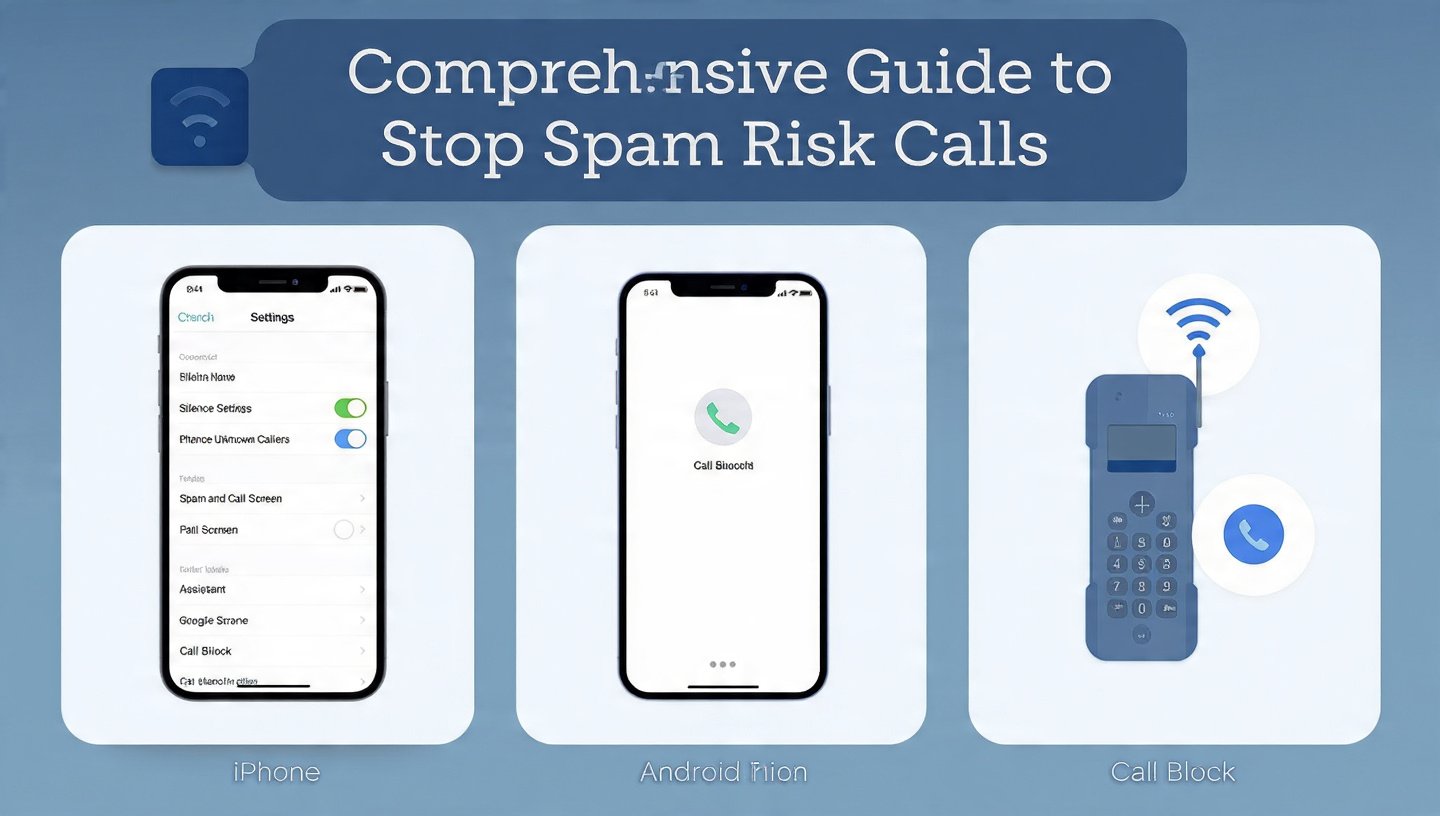
Stopping these interruptions requires a multi-faceted approach involving device settings and third-party tools. Most modern smartphones have built-in features designed to manage calls that fall under the spam risk meaning category. By taking the time to configure these settings, you can drastically reduce the number of times your phone rings with unwanted solicitations. The goal is to create a barrier that only allows verified contacts or legitimate callers to reach you.
-
Block Spam Calls on iPhone
Apple provides a powerful feature called “Silence Unknown Callers” which is a great way to handle what is a spam risk call. To enable this, go to Settings, then Phone, and toggle on the Silence Unknown Callers option. This feature will automatically silence calls from numbers that are not in your contacts, recent outgoing calls, or Siri Suggestions. The calls are sent directly to voicemail and appear in your Recents list, allowing you to review them at your convenience without being interrupted.
-
Block Spam Calls on Android
Android users have access to a robust “See caller and spam ID” feature. In the Phone app, you can go to settings and enable “Spam and Call Screen.” This allows Google to identify what does spam risk mean for each call and even filter them out before your phone rings. Some Android devices also offer a “Call Screen” feature where Google Assistant answers the call for you and asks the caller why they are calling, providing you with a real-time transcript so you can decide if you want to take over.
-
Block Spam Calls on a Landline
For those using landlines, stopping spam can be more challenging but not impossible. Many modern landline phones come with a dedicated “Call Block” button. Additionally, you can contact your service provider to see if they offer a digital call screening service. There are also physical call-blocking devices that you can plug into your phone line which maintain a database of known spam numbers and block them automatically. These steps are essential for anyone wondering how to block potential spam on a traditional home phone.
What to Do if You Accidentally Answer a Spam Risk Call?
If you accidentally answer a call that carries a spam risk meaning, the most important thing to do is hang up immediately. Do not engage with the caller, even if they seem polite or use your name. The longer you stay on the line, the more information they can gather about your habits and your voice. Do not press any buttons if prompted, as this often leads to more calls rather than removing you from their list.
Once you have ended the call, you should take a moment to block the number on your device. This prevents that specific source from reaching you again. It is also wise to avoid saying the word “Yes” or providing any personal details if you did speak for a moment. If you believe you gave away sensitive information like a password or a Social Security number, you should immediately contact your bank and consider placing a fraud alert on your credit report.
How to Report Spam Risk Calls
Reporting these calls is a vital step in helping the community and improving carrier detection. You can report spam calls to the Federal Trade Commission through their official website. This data is used to track trends and take legal action against illegal telemarketers. Additionally, you can report the number to your carrier by forwarding the spam number to 7726 (which spells SPAM on a keypad). This helps your provider improve the accuracy of the spam risk meaning labels for everyone on the network.
Preventing Future Spam and Keeping Data Private
Prevention is often the best cure when it comes to managing the spam risk meaning in your life. One of the most effective steps is to register your number on the National Do Not Call Registry. While this won’t stop illegal scammers who ignore the law, it will stop legitimate telemarketers from contacting you, which reduces the overall volume of calls. It typically takes about 31 days for your registration to become effective across all industry lists.
Be extremely cautious about where you share your phone number online. Avoid putting your number on social media profiles or using it for unnecessary sign-ups. When you do have to provide a number, check the privacy policy to ensure they do not sell your data to third parties. Using a secondary “burner” number or a Google Voice number for online forms can also help keep your primary line clean. This is a key strategy for those looking to avoid spam calls in the long term.
Regularly auditing your app permissions is another great way to prevent your number from being harvested. Some apps request access to your contacts or your phone dialer even when they don’t need it. By limiting these permissions, you reduce the risk of your data being leaked or shared with marketing aggregates. Staying vigilant about your digital footprint is the most sustainable way to address the question of why do I get so many spam calls.
Why Your Own Number Might Show as Spam
It can be a major problem when your own number starts showing up with a spam risk meaning to others. This usually happens because a scammer has “spoofed” your number, making it appear on other people’s caller ID when they make their fraudulent calls. When those people report the call as spam, your number gets flagged in the carrier databases. This is a common issue and can lead to you receiving angry callbacks from people you never actually dialed.
To fix this, you should first check with your service provider to see if they have a process for clearing your number’s reputation. Some carriers work with third-party analytics companies that manage these labels. You can also register your number with sites like Free Caller Registry, which allows you to verify your identity with major analytics providers used by wireless carriers. This can help remove the “Scam Likely” or “Spam Risk” tag from your outgoing calls.
If the problem persists, you might need to wait it out, as scammers typically rotate through spoofed numbers quickly. Once they stop using your number, the reports will cease, and the label will eventually fall off. However, if your business depends on your phone number, taking proactive steps to verify your caller ID is essential. Understanding why is my number showing up as spam is the first step in reclaiming your digital identity and ensuring your calls are actually answered.
Read More: How To Get a Burner Phone Number For Ultimate Privacy
Final Thought
Navigating the world of modern telecommunications requires a clear understanding of the spam risk meaning to stay safe and productive. These labels are not just minor annoyances; they are critical warnings designed to protect you from sophisticated fraud and persistent telemarketing. By utilizing the tools built into your smartphone, reporting suspicious numbers, and being mindful of where you share your contact information, you can significantly reduce the impact of these calls. Remember that the best defense is often silence—letting unknown calls go to voicemail ensures that you remain in control of your digital space. As technology evolves, so do the methods of scammers, but staying informed remains your most powerful asset in the ongoing fight against unwanted spam.
FAQs
-
What does spam risk meaning stand for on my phone?
The label stands for a warning generated by your mobile carrier indicating that an incoming call matches patterns associated with telemarketing, robocalls, or known fraudulent activity. It is a protective measure based on community reports and call-pattern analytics to help you avoid answering potentially harmful or annoying calls.
-
What happens if I answer a spam risk call?
Answering the call confirms to the scammer that your number is active and monitored by a human. This can lead to your number being added to more frequent calling lists, and you may experience an increase in spam attempts. There is also a risk of voice recording or being pressured into providing personal information.
-
How do I get rid of spam risk calls for good?
While it is difficult to eliminate them 100%, you can drastically reduce them by enabling “Silence Unknown Callers” on iPhone or “Spam and Call Screen” on Android. Registering your number on the National Do Not Call Registry and using third-party apps like Hiya or RoboKiller also helps filter out the majority of these calls.
-
Can spam risk calls be legitimate businesses?
Yes, sometimes legitimate businesses that use automated dialing systems or high-volume outbound calling can accidentally be flagged. This is why it is important to check voicemails, as a legitimate business will almost always leave a message explaining the purpose of their call.
-
Why does my number show up as a spam risk when I call people?
This usually occurs if your number has been spoofed by a scammer to make fraudulent calls. Recipients then report your number as spam, causing it to be flagged in carrier databases. You can often resolve this by contacting your carrier or registering with a caller ID reputation service.
-
What does spam risk 1111111111 mean?
This is a common tactic where scammers use a clearly fake or repetitive number sequence to hide their actual identity. It is a form of spoofing designed to bypass basic filters, but most modern carrier algorithms recognize these patterns and label them with a spam risk meaning immediately.
-
Can I mass-block spam calls on my device?
Yes, by using the built-in “Silence Unknown Callers” feature on iOS or the “Filter Spam Calls” setting on Android, you are essentially mass-blocking all numbers not in your contacts. This is the most efficient way to stop a large volume of unwanted calls at once.
-
Why am I still getting spam calls even after blocking them?
Scammers constantly change the numbers they use through a process called neighbor spoofing. Even if you block one number, they can call back using a slightly different one. This is why automated filtering systems are more effective than manually blocking individual numbers.
-
Are spam calls increasing due to AI technology?
Yes, AI allows scammers to create more convincing voices and automate the process of finding active numbers more efficiently. This technology has led to a recent global increase in the volume and sophistication of spam risk calls, making protective labels more important than ever.