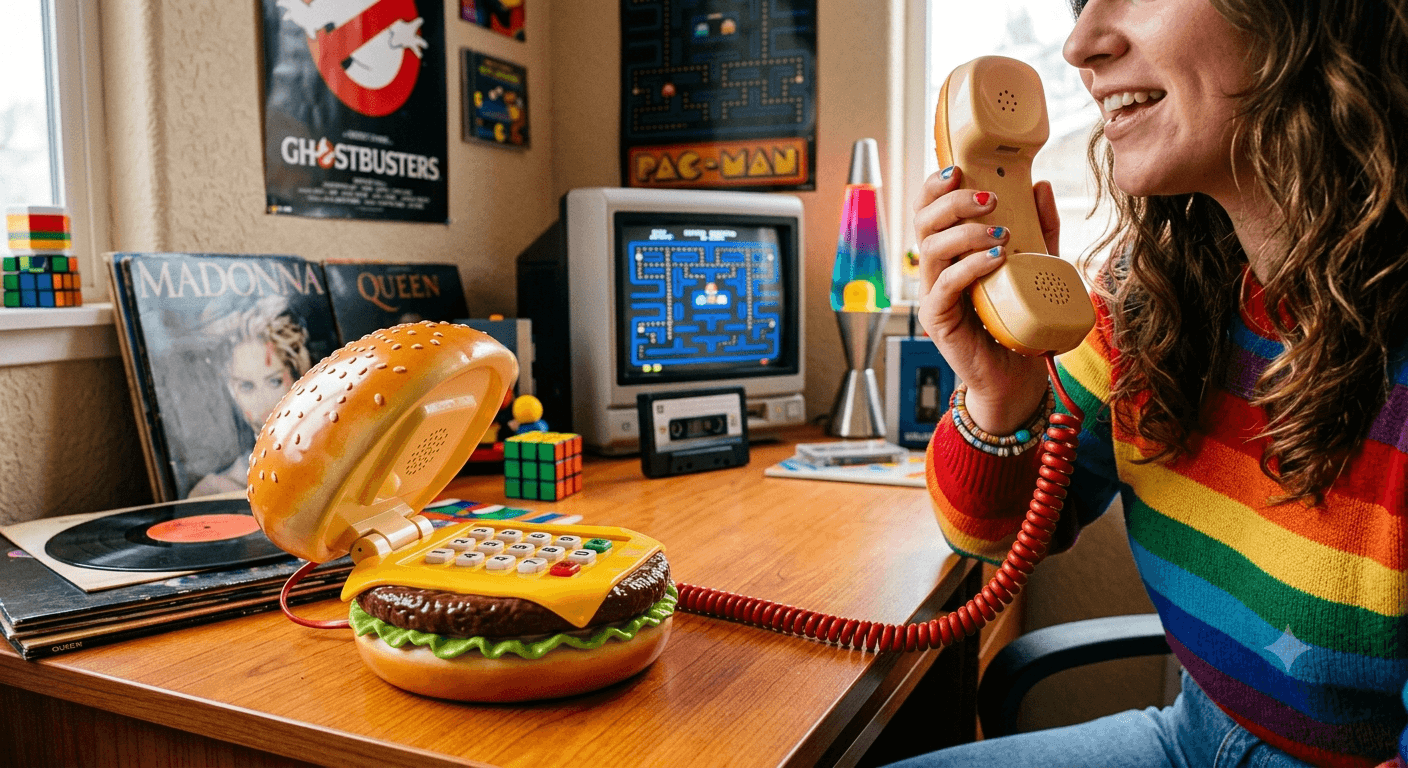
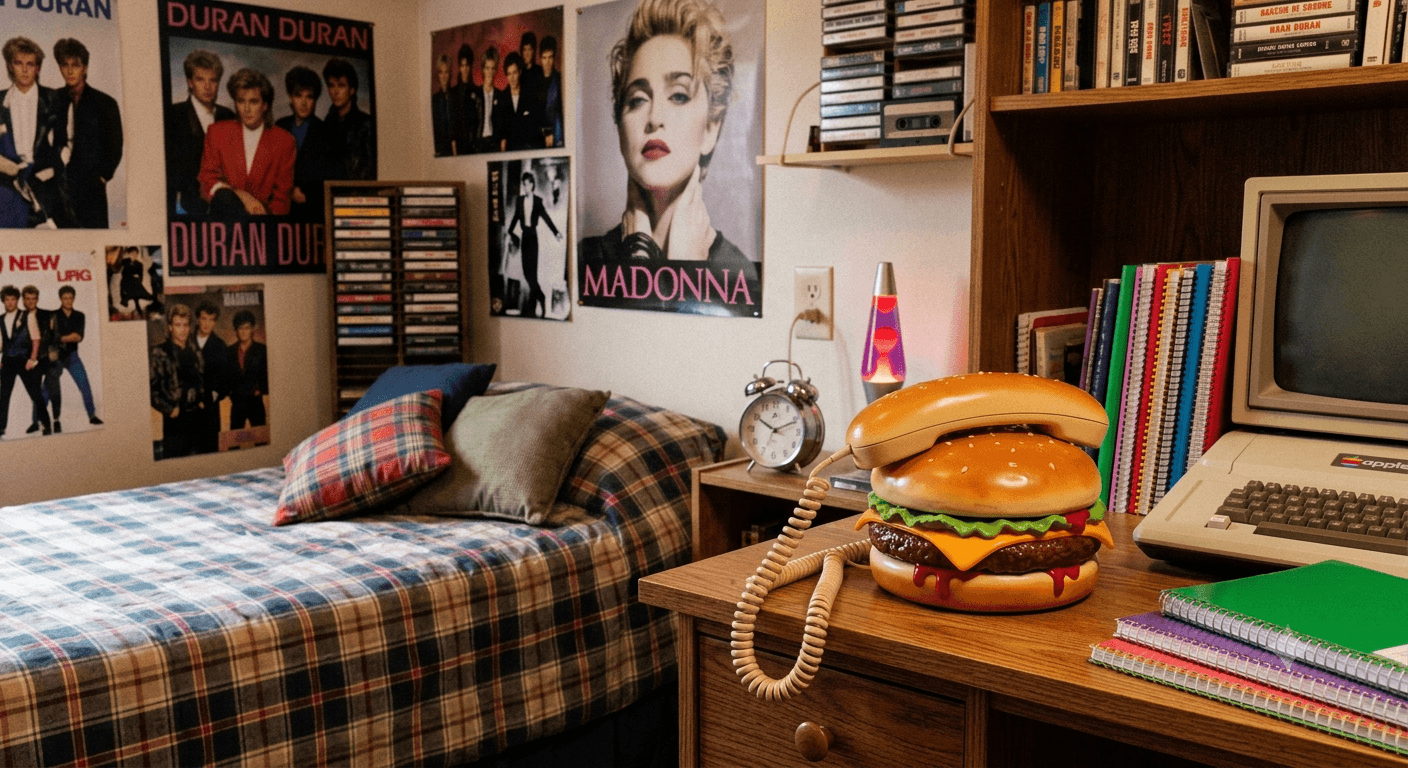
A burger phone is a whimsical, food-shaped landline telephone that rose to massive popularity during the 1980s and saw a significant cultural resurgence in the late 2000s. Characterized by its realistic cheeseburger appearance, the device features a top bun that lifts to reveal a keypad and a receiver nestled within the simulated layers of cheese, meat, and lettuce. Originally a novelty item, it has transitioned into a highly sought-after piece of kitsch decor for collectors and retro enthusiasts. Today, the aesthetic lives on through modern accessories like a burga personalized phone case, blending vintage charm with contemporary smartphone protection.
Introducing
The history of the burger phone is a fascinating journey through the world of novelty electronics and pop culture branding. These devices first captured the public imagination in the 1980s when the market for unique household items was exploding. It was an era where functionality met extreme creativity, leading to telephones shaped like everything from high-heeled shoes to sports cars. The cheeseburger design stood out because of its universal appeal and the tactile satisfaction of “opening” a sandwich to take a call.
Collectors often look for the original models produced by companies like Tyco, which are known for their sturdy plastic construction and vibrant colors. While the world has largely moved away from corded landlines, the charm of this specific item remains unshaken. It represents a time when technology was allowed to be fun and less serious than the sleek, glass-and-metal slabs we carry today. Whether it is sitting on a desk as a conversation starter or appearing in a retro-themed photoshoot, this device continues to be a symbol of playful design.
Vintage cheeseburger phones make a comeback every decade or so
Nostalgia cycles typically operate on a twenty-year loop, which explains why the burger phone seems to reappear in the spotlight every ten years. In the 1980s, it was a must-have bedroom accessory for teenagers. By the early 2000s, it became a cult classic once again, fueled by its appearance in indie cinema and the rise of “kidcore” aesthetics. We are currently witnessing another revival as Gen Z discovers the joy of analog technology and maximalist interior design, seeking out vintage items that offer a physical break from the digital world.
This cyclical nature of the burger phone is supported by market trends on platforms like eBay and Etsy, where vintage units often sell for significantly more than their original retail price.
According to recent consumer reports on retro electronics, demand for “funky” 80s tech has grown by nearly 40% over the last three years.
People are not just buying them for utility; they are buying them as art pieces. The vibrant yellows and reds of the cheese and ketchup layers provide a pop of color that fits perfectly into the eclectic, modern home.
The 1980s: Initial launch and peak novelty popularity.
The 2000s: Cult status following major cinematic appearances.
The 2020s: A centerpiece of the “New Retro” and “Dopamine Decor” movements.
Sustainable Trends: A shift toward repairing old tech instead of buying new.
Community Building: Online forums dedicated to restoring vintage Tyco phones.
Cheeseburger phone movie cameos
The most legendary appearance of the burger phone in cinema is undoubtedly in the 2007 film Juno. The protagonist, played by Elliot Page, uses a vivid cheeseburger landline to make pivotal calls throughout the movie. This single prop became so iconic that it triggered a massive wave of production for replicas. The film used the phone to emphasize Juno’s quirky, independent personality, cementing the device’s status as the ultimate symbol of indie-cool. After the movie’s success, retail stores couldn’t keep the item in stock for months.
Beyond its role in indie hits, the phone has appeared in various comedy films to highlight a character’s eccentricities or to set a specific time period. It often serves as a visual shorthand for “the 80s” or “quirky teenager.” Filmmakers love using it because it is instantly recognizable and adds a layer of visual interest to a scene that a standard phone simply cannot provide. The way the bun flips open creates a natural, comedic movement that directors have utilized for both humor and character development.
Cheeseburger phone in toons
In the world of animation, food-shaped objects are a staple, and the burger phone has made several notable appearances. The most famous “toony” version is likely found in SpongeBob SquarePants. In the Krusty Krab, the phones are often shaped like patties, reinforcing the show’s underwater fast-food theme. This animated representation introduced a whole new generation to the concept of a sandwich that doubles as a communication device, even if they had never seen a real landline in person.
Cartoons often exaggerate the features of the burger phone, making the lettuce look fluffier and the seeds on the bun look like actual buttons. Shows like The Simpsons and Family Guy have also utilized the device in cutaway gags or as part of a character’s cluttered bedroom. Because animation allows for limitless creativity, these “toons” often feature versions of the phone that can do things real ones can’t, like squirt real mustard or ring with a sizzling sound effect.
SpongeBob SquarePants: The Krusty Krab patty-phone is a recurring gag.
The Simpsons: Often seen in the background of 80s-themed flashback episodes.
Clarissa Explains It All: While a live-action show, its animated segments often featured retro tech.
Regular Show: Known for its love of 80s kitsch, including novelty electronics.
Cheeseburger phones on TV
Television has long embraced the burger phone as a prop that defines a character’s space. In the 90s, it was a frequent inhabitant of the bright, colorful sets of teen sitcoms. Characters who were portrayed as “alternative” or “fun-loving” almost always had one sitting on their nightstand. It served as a prop that told the audience something about the character’s tax bracket and personality without a single line of dialogue—it suggested a middle-class upbringing with a penchant for trendy, silly gadgets.
More recently, the device has appeared in shows like Stranger Things or Goldbergs, which aim for 1980s historical accuracy. In these contexts, the burger phone is more than just a prop; it is a timestamp. It anchors the viewer in a specific cultural moment. Television set designers often scour vintage shops to find original Tyco models to ensure the colors and plastic texture look authentic under high-definition cameras. This attention to detail has helped keep the image of the burger phone alive in the collective consciousness.
Cheeseburger dugout phone
One of the most unique and factual chapters in the history of this device involves professional sports. During the early 1980s, the Milwaukee Brewers famously had a burger phone installed in their dugout. This wasn’t just for show; it was a functional line. The phone was a promotional tie-in with a local sponsor, but it became a beloved quirk of the stadium. Players would use the giant cheeseburger to call the bullpen, providing a hilarious visual during high-stakes baseball games.
This dugout phone is often cited by sports historians as one of the best examples of 80s sports marketing. It captured the lighthearted spirit of the era before professional sports became as hyper-commercialized and serious as they are today. Fans still talk about the “Brewers Burger Phone” with a sense of nostalgia, and it remains a popular trivia fact among baseball enthusiasts. It proved that the burger phone wasn’t just a toy for kids; it had a place in the “big leagues” as well.
Cheeseburger phones for you
If you are looking to bring this retro vibe into your life today, you have several options. For those who want the authentic experience, hunting for a vintage landline on secondary markets is the way to go. However, if you prefer modern technology but love the aesthetic, a burga personalized phone case is a fantastic alternative. These cases often feature high-definition prints of burgers or other retro food items, allowing you to carry the “burger” look on your smartphone without needing a wall jack.
Modern enthusiasts also use the burger phone as a centerpiece for “tech-free” zones in their homes. By plugging a vintage model into a Bluetooth gateway, you can actually use the 80s hardware to answer calls from your cell phone. This creates a bridge between the past and the present. Whether you want a physical object for your desk or a sleek protective cover for your iPhone, the burger phone aesthetic is more accessible now than ever before.
Vintage Tyco: The gold standard for collectors and 80s purists.
Reproduction Models: Cheaper, newer versions that work on modern lines.
Smartphone Cases: Protective gear with high-quality burger graphics.
Bluetooth Adapters: Devices that let you use retro phones with modern mobiles.
DIY Kits: Some hobbyists build their own burger phones using 3D printing.
Why the Retro Aesthetic Still Matters
The enduring popularity of the burger phone is a testament to the power of tactile design. In a world where our devices are increasingly flat and invisible, there is a deep psychological comfort in an object that looks like something else. This concept, known as “skeuomorphism” or novelty design, helps humanize technology. A burger phone is approachable, funny, and physically satisfying to hold. It doesn’t demand your attention with notifications; it simply sits there, ready to be a burger and a phone whenever you need it.
Research into environmental psychology suggests that “playful” objects in a workspace can reduce stress and increase creativity. By incorporating items like the burger phone into a modern office, individuals can create a more stimulating and less sterile environment. This trend is part of a larger movement where people are rejecting the minimalist “Apple” aesthetic in favor of something more personal and expressive. The burger phone isn’t just a tool; it’s a statement against the boring uniformity of modern tech.
Evolution of the Burger Phone Design
Over the decades, the design of the burger phone has seen subtle changes. The 1980s originals were often made of a heavier, matte-finish plastic. They felt substantial in the hand, and the “meat” layer was often a deep brown. In the 2000s, reproduction models tended to use lighter, glossier plastics with brighter, more “cartoonish” colors. This shift reflected the changing manufacturing processes and the desire to make the product look more like a toy than a high-end electronic.
Despite these changes, the core anatomy remains the same. You have the “Top Bun” (the receiver), the “Middle Layers” (the keypad and internal circuitry), and the “Bottom Bun” (the base). Some high-end replicas even included a “weighted” base so that the phone wouldn’t slide around the desk when you pulled on the curly cord. Understanding these design nuances is key for collectors who are looking to verify the age and authenticity of a unit they find at a flea market or online.
How to Choose a Burgar Phone
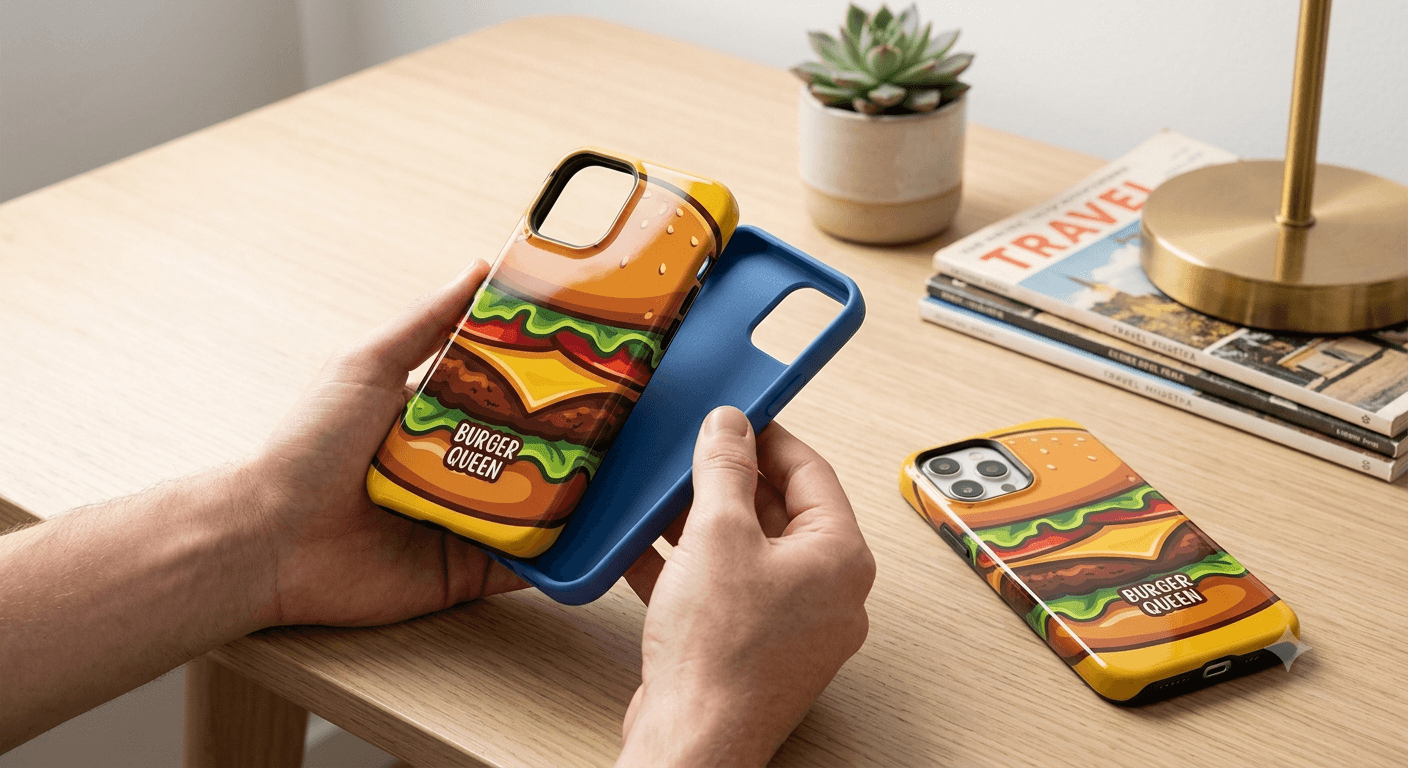
If you have decided that a physical landline is too much clutter, a burga personalized phone case is the perfect way to stay on trend. These cases offer a blend of high-fashion design and rugged protection. When choosing a case that reflects the burger phone spirit, you should look for specific features that ensure quality and style.
Material Quality: Ensure the case uses dual-layer protection (silicone interior and hard shell exterior).
Print Definition: Look for “Hardshell” prints that won’t fade or peel over time.
Personalization Options: Many modern brands allow you to add your name or initials to the burger design.
Finish Type: Choose between a “Glossy” finish for a vibrant look or a “Matte” finish for a more vintage feel.
The Cultural Impact of Novelty Tech
The burger phone paved the way for other food-themed technology, such as hot dog speakers and pizza-shaped USB drives. It showed manufacturers that there was a massive market for items that blurred the line between toys and tools. This cultural impact is still felt today in the way we customize our digital lives. From “skins” on our laptops to the emojis we use, the desire to make technology “tasty” and fun started with a plastic cheeseburger in the 80s.
According to a study on consumer behavior by the International Journal of Design, people form stronger emotional bonds with “anthropomorphic” or “novelty” objects compared to standard ones.
This explains why people are so attached to their burger phones even decades after they stop working. The phone becomes a member of the family or a cherished memory of a specific time in one’s life. It is an object that evokes a smile, which is the highest praise any piece of industrial design can receive.
Caring for Your Vintage Burger Phone
If you are lucky enough to own an original burger phone, proper maintenance is essential to keep it functional. Plastic from the 1980s can become brittle if left in direct sunlight, leading to cracks in the bun or fading of the “sesame seeds.” To keep it looking fresh, a simple wipe-down with a damp cloth and a mild detergent is usually sufficient. Avoid using harsh chemicals that could strip the paint from the cheese or lettuce layers.
Storage: Keep out of direct sunlight to prevent plastic yellowing.
Cord Care: Do not over-stretch the curly cord, as the internal wires can fray.
Cleaning: Use a soft-bristled toothbrush to clean between the keypad buttons.
Functionality: If using a digital line, you may need an analog-to-digital converter.
Display: Use a small stand to keep the buns from pressing too hard on the internal switches.
Styling Your Space with Retro Gadgets
Integrating a burger phone into a modern home requires a bit of stylistic balance. It works best in rooms that already embrace a bit of color, such as a home office, a game room, or a kitchen nook. To make it stand out, place it on a neutral-colored surface like a white desk or a wooden shelf. This allows the bright colors of the phone to pop without clashing with the surrounding decor.
You can also pair it with other retro items to create a cohesive theme. Think neon signs, old movie posters, or a collection of vinyl records. The goal is to create a space that feels curated and intentional rather than cluttered. The burger phone serves as the perfect “hero piece” for a shelf—it’s the item that everyone will point to and ask about when they enter the room.
The Future of Food-Shaped Electronics
While we may not see a return to widespread landline use, the “burger” aesthetic is branching out into the smart home era. We are starting to see burger-shaped wireless chargers, smart speakers with food-themed covers, and even VR headsets with custom skins. The burger phone was the pioneer of this movement, proving that we don’t just want our tech to be useful; we want it to be appetizing.
As 3D printing technology becomes more accessible to the average consumer, we may see a DIY burger phone revolution. Enthusiasts can now download files to print their own shells and fit them over modern Bluetooth headsets. This ensures that even as the hardware changes, the iconic shape of the cheeseburger will continue to be a part of our communication history.
Read More: Rotary Phone: A Complete Guide
Conclusion
The burger phone is far more than just a silly relic of the 1980s; it is a cultural icon that represents our enduring love for playful design. From its humble beginnings as a novelty landline to its starring roles in Hollywood and its modern incarnation as a burga personalized phone case, it has proven to be a timeless piece of Americana. It reminds us that technology doesn’t always have to be about productivity and speed; sometimes, it can just be about making a phone call on a sandwich. Whether you are a hardcore collector or just someone who appreciates a good bit of kitsch, the burger phone remains the ultimate conversation starter in any decade.
FAQs
How does a burger phone work as a landline?
A burger phone works exactly like a standard corded telephone. You plug the base bun into a standard RJ11 wall jack using a phone cord. To answer a call, you lift the top bun, which acts as the receiver (containing the speaker and microphone). The keypad is located inside the middle section of the burger, allowing you to dial numbers just like any other analog phone.
Where can I buy an original burger phone from the movie Juno?
Original Tyco burger phones can be found on resale sites like eBay, Etsy, and Mercari. If you want the specific “Juno” look, you should search for vintage models from the 1980s or 1990s. There are also many modern reproductions available on Amazon and urban decor sites that mimic the design of the one used in the film.
Is a burga personalized phone case protective?
Yes, a burga personalized phone case is designed to be highly protective. Most of these cases feature a dual-layer system consisting of a soft silicone interior to absorb shocks and a hard plastic exterior shell to prevent scratches and dents. They provide 360-degree protection while maintaining a slim and stylish profile.
Can I use a vintage burger phone with my cell phone?
You can use a vintage burger phone with your cell phone by using a Bluetooth cell-to-landline gateway, such as the XLink BTTN. You plug the burger phone into the gateway, which then pairs with your smartphone. When your cell phone rings, you can pick up the burger phone to answer the call.
Why did the Milwaukee Brewers have a burger phone in their dugout?
The Milwaukee Brewers had a burger phone in their dugout during the 1980s as part of a promotional partnership with a local sponsor. It became a famous piece of team lore, used by managers and players to communicate with the bullpen, adding a fun and unique element to the team’s identity.
Are burger phones still being manufactured today?
While the original Tyco company no longer produces them, several other manufacturers create modern replicas. These new versions often include updated features like redial buttons and volume control, though they maintain the classic 80s aesthetic. Additionally, many companies produce burger-themed accessories for modern tech.
What is the best way to clean a vintage burger phone?
The best way to clean a vintage model is to use a soft cloth lightly dampened with water and a drop of mild dish soap. Gently wipe the plastic surfaces, taking care not to get moisture into the electronic components or the keypad. Use a dry cloth to buff the plastic and restore its original shine.
What are the differences between original and replica burger phones?
Original 1980s models are usually heavier and made of thicker plastic, often featuring “Tyco” branding. Replicas made in the 2000s or later are typically lighter, may use cheaper components, and often have more vibrant, “neon” colors. Collectors value the originals for their durability and historical authenticity.