
Call recording is a digital technology that captures and stores the audio of telephonic conversations in a digital file format. For modern enterprises, business call recording serves as a vital tool for quality assurance, training, and legal compliance. By implementing a phone recording system for small business, organizations can monitor interactions between staff and customers, ensuring that service standards are met consistently. These systems typically store recordings in secure cloud environments, allowing authorized personnel to playback, analyze, and share calls for performance reviews or to resolve disputes efficiently across various communication platforms.
Comprehensive Call Recording Solution
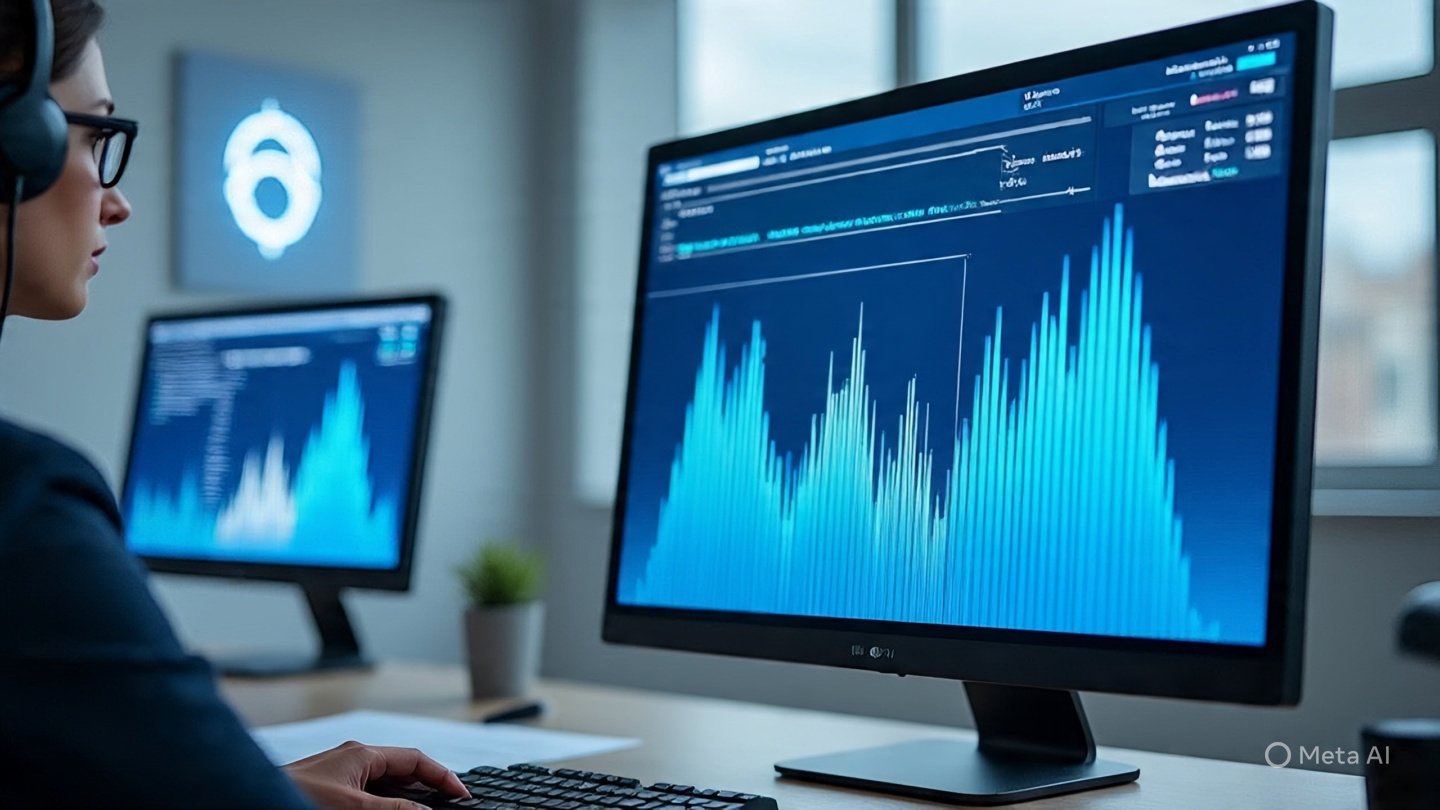
A robust phone recording system should offer more than just a simple audio capture tool. Modern organizations require a sophisticated call recording screen that provides an intuitive interface for managing thousands of hours of audio data. When businesses evaluate what is call recording software, they often look for features like time-stamping, speaker identification, and the ability to add notes to specific parts of the conversation. These tools allow managers to pinpoint exact moments in a call without listening to the entire duration, which significantly improves the efficiency of the review process in a fast-paced call center recording environment.
The ability to categorize and tag calls is another essential component of a professional phone recording system for small business. By assigning metadata to each file, such as the agent’s name, the customer’s ID, or the specific department, companies can quickly retrieve relevant data during audits or training sessions. This organizational layer is what differentiates a basic call recording and a professional-grade contact center recording solution. Furthermore, top-tier software often includes advanced search filters that allow users to find recordings based on keywords spoken during the call, thanks to integrated speech-to-text technology that transcribes the audio in real time.
Security and data protection are paramount when handling business call recording data. High-quality systems employ end-to-end encryption to ensure that the audio files are protected from unauthorized access while stored in the cloud or during transmission. This is particularly important for industries such as finance and healthcare, where sensitive customer information is frequently discussed over the phone. A reliable call recording service will offer granular permission settings, ensuring that only authorized managers or compliance officers can access the recorded files, thus maintaining a high level of privacy and regulatory adherence for the organization.
Understanding Different Types of Business Call Recording for Your Organization
When setting up a phone recording system, businesses generally choose between two primary methods: automatic recording and manual recording. Automatic call recording is ideal for high-volume environments where every interaction must be captured for compliance or quality control purposes. This ensures that no conversation is missed due to human error. On the other hand, manual or on-demand recording allows employees to trigger the recording process only when necessary. This is often preferred in settings where sensitive data like credit card numbers are shared, as the agent can pause the recording to maintain data security standards.
In the context of a contact center call recording strategy, many organizations opt for a hybrid approach. For example, a company might use automatic recording for all inbound customer service queries but allow manual controls for outbound sales calls. This flexibility helps in balancing the need for comprehensive documentation with the practicalities of daily operations. Many contact centre call recording platforms also offer a feature known as screen capture, which records the agent’s computer screen alongside the audio. This provides a full view of how the agent navigated the software while speaking with the customer, offering invaluable insights for technical training.
The choice of a call recording system also depends on the physical or virtual infrastructure of the business. Hosted or cloud-based solutions are increasingly popular because they eliminate the need for expensive on-site servers. These call recording solutions allow for easy scalability, meaning a business can increase its storage capacity as call volumes grow without needing to install new hardware. This is a significant advantage for growing firms that need a reliable phone recording system for small business that can adapt to their changing needs without requiring a massive upfront capital investment in legacy technology.

Integrating a Phone Recording System for Small Business Across Multiple Devices
In today’s mobile and remote work environment, a business call recording solution must function seamlessly across various devices. Most modern systems are designed to work as a desktop call recorder, allowing office-based employees to manage their calls directly from their computers. This integration often includes a softphone interface where users can start, stop, or pause recordings with a single click. Having the call recording software for small business integrated into the desktop environment ensures that agents can focus on the customer conversation without having to switch between different applications or hardware devices.
For teams that are frequently on the move, a call recording for Android or iOS is an essential feature. Mobile applications allow field sales representatives or remote technicians to have their calls recorded just as if they were sitting in a central office. This ensures that the same quality standards and compliance rules apply to every employee, regardless of their physical location. A well-designed phone recording system will automatically sync these mobile recordings with the central database, making them instantly available for review by management. This level of synchronization is a hallmark of the best call recording services available in the market today.
-
Cloud synchronization ensures that calls recorded on a mobile device are immediately accessible on the company’s central dashboard for review and analysis.
-
User-friendly interfaces on mobile apps allow staff to easily manage their recording settings, ensuring they remain compliant with local laws while working outside the office.
-
Cross-platform compatibility means that a business can maintain a consistent phone recording system even if their team uses a mix of different operating systems and hardware.
-
Advanced notification systems can alert managers when a specific type of call is recorded, such as a high-value sales interaction or a customer complaint that requires immediate attention.
Strategic Importance of Calls Recorded in Modern Contact Centers
The data gathered through a phone recording system for small business provides a wealth of information that can be used to drive strategic business decisions. By analyzing the common themes in customer interactions, management can identify product issues, common pain points, or areas where the sales process could be refined. This is where the true value of business call recording lies; it transforms simple audio files into actionable business intelligence. Companies that regularly review their phone recordings are often better equipped to respond to market trends and improve their overall customer satisfaction scores.
Training and development are also significantly enhanced through the use of call recording. Managers can use real-life examples of successful and unsuccessful calls to coach new hires, providing them with a clear understanding of the company’s communication standards. This hands-on approach to training is much more effective than theoretical classroom sessions. By listening to their own recorded calls, agents can also perform self-evaluations, identifying areas where they could improve their tone, clarity, or problem-solving skills. This culture of continuous improvement is vital for maintaining a competitive edge in any service-oriented industry.
-
Quality assurance teams use recorded calls to score agent performance based on standardized metrics, ensuring a high level of service across the entire organization.
-
Dispute resolution becomes much simpler when there is a clear audio record of what was said during a conversation, protecting the business from false claims or misunderstandings.
-
Compliance with industry regulations, such as those in the financial or legal sectors, often requires a detailed log of all phone interactions to be kept for a specific period.
-
Customer feedback can be extracted directly from calls, providing the marketing and product development teams with direct insights into what clients actually want and need.
Supporting Research and Facts on Business Communication
Research from various industry analysts highlights the growing necessity of call recording in the corporate world. According to a study by the Aberdeen Group, companies that implement formal call recording and coaching programs see an average of 11% year-over-year improvement in customer satisfaction. This data suggests that the simple act of monitoring and reviewing calls leads to better agent behavior and more effective problem resolution. Furthermore, businesses that utilize these tools are able to reduce their average handle time, as they can identify and eliminate inefficient communication patterns that prolong customer interactions unnecessarily.
From a legal and compliance perspective, the importance of a phone recording system is even more pronounced. In many jurisdictions, laws like the Dodd-Frank Act or MiFID II require financial institutions to record and archive all conversations related to trading and investment advice. Failure to comply with these regulations can lead to massive fines and legal repercussions.
A study by a leading compliance firm found that nearly 60% of regulated firms have increased their investment in recording technology over the last five years to mitigate these risks.
This underscores the fact that for many, business call recording is not just a productivity tool but a fundamental requirement for legal operation in the modern economy.
Effective Implementation of a Phone Recording System
Successfully deploying a phone recording system for small business requires more than just installing software; it involves creating a clear policy for how the data will be used and stored. Businesses must ensure that they are transparent with both employees and customers about the fact that calls are being recorded. This often involves a standard automated message at the beginning of each call. Establishing these ethical and legal boundaries early on helps build trust and ensures that the business remains compliant with privacy laws such as the GDPR or various state-level recording statutes.
Once the policy is in place, the focus should shift to the technical setup of the call recording software. Administrators should configure the system to automatically archive older recordings to save storage space while ensuring that important files are backed up in multiple locations. Many call recording solutions offer automated deletion schedules, where recordings are removed after a set period, such as six months or a year, unless they are manually flagged for retention. This helps in managing data costs and ensures that the business does not hold onto sensitive personal information longer than is strictly necessary.
Regularly auditing the phone recording system is the final step in a successful implementation. This involves checking that all lines are being recorded correctly and that the audio quality is clear enough for analysis. Managers should also periodically review the access logs to ensure that only authorized individuals are viewing or downloading the recordings. By treating call recording as a continuous process rather than a one-time setup, businesses can ensure they are getting the maximum possible value from their investment while maintaining the highest standards of security and professional integrity.
Read More: What is an Escalation Call?
Final Thought
Implementing a comprehensive phone recording system for small business is an essential step for any organization looking to improve its service quality and maintain strict compliance. By leveraging the power of business call recording, companies can gain deep insights into their customer interactions, provide better training for their staff, and protect themselves from potential legal disputes. As technology continues to evolve, the integration of artificial intelligence and advanced analytics into call recording software will only increase the value of this data. Ultimately, the ability to capture, analyze, and learn from every conversation is a powerful advantage that can drive long-term growth and customer loyalty in any industry.
Frequently Asked Questions
-
How do I activate call recording?
To activate call recording, you typically need to access the settings menu of your business phone software or mobile app. For automatic systems, an administrator can enable the feature across the entire organization through a central web-based dashboard. For manual recording, you can usually press a dedicated button on your desk phone or click a record icon within your softphone application during an active call. Once activated, the system will often play an audible notification or a pre-recorded message to inform all parties that the conversation is being captured.
-
Where is call recording saved in the phone?
In most business systems, call recordings are not stored on the physical phone itself but are uploaded directly to a secure cloud server. If you are using a mobile call recording app, the files might be temporarily stored in the app’s internal storage before being synced to the company database. Administrators and authorized users can access these saved files by logging into a central management portal from any web browser. Storing files in the cloud ensures they do not take up space on individual devices and allows for easier sharing and centralized backup.
-
Can I record my phone calls?
Yes, you can record your phone calls using professional business call recording software or specialized mobile applications designed for this purpose. It is important to check the legal requirements in your specific region, as some areas require the consent of all parties involved in the conversation. Most professional systems include built-in features to help you stay compliant, such as automated announcements that inform the caller they are being recorded. Individual users should always follow their company’s internal policies regarding which types of calls are appropriate to record and store.
-
How do I open recorded calls?
Recorded calls can be opened by logging into your communication provider’s online portal or through the history tab in your call recording app. Most systems use standard audio formats like MP3 or WAV, allowing you to play the files directly within your web browser or a media player. Advanced platforms may provide a dedicated interface where you can view the recording alongside a text transcript and any notes added by the agent. If you have the proper permissions, you can also download the files to your local computer for offline review or to share with other team members.
-
What is call recording used for in business?
Businesses use call recording primarily for quality assurance to ensure that employees are providing accurate and helpful information to customers. It serves as a critical training tool, allowing managers to use real-world examples to teach new staff effective communication techniques. Recording calls provides a verifiable record of transactions and agreements, which is essential for resolving disputes and proving compliance with industry regulations. Additionally, companies analyze recorded conversations to gather market research and identify common customer needs that can lead to product improvements.