A business phone system helps companies manage incoming and outgoing calls across employees, departments and locations. Modern cloud-based phone systems use VoIP to deliver business calling over an internet connection, giving teams access to features such as extensions, call routing, IVR, voicemail, call queues, virtual numbers and call analytics without relying entirely on traditional telephone lines.
Businesses can choose from cloud-hosted VoIP systems, on-premises PBXs or hybrid solutions depending on their existing infrastructure, team size, locations and communication requirements.
Cloud phone systems can often be deployed without installing traditional telephone circuits at every desk. Users may be able to make and receive business calls through compatible IP phones, desktop applications or mobile apps. Setup requirements vary by provider and existing network infrastructure.
Flexible Subscription Options
Many cloud phone providers offer subscription-based pricing, although contract length, minimum user requirements and billing terms vary between services. Businesses should compare the total cost rather than relying only on the advertised monthly price.
Advanced Business Calling Features
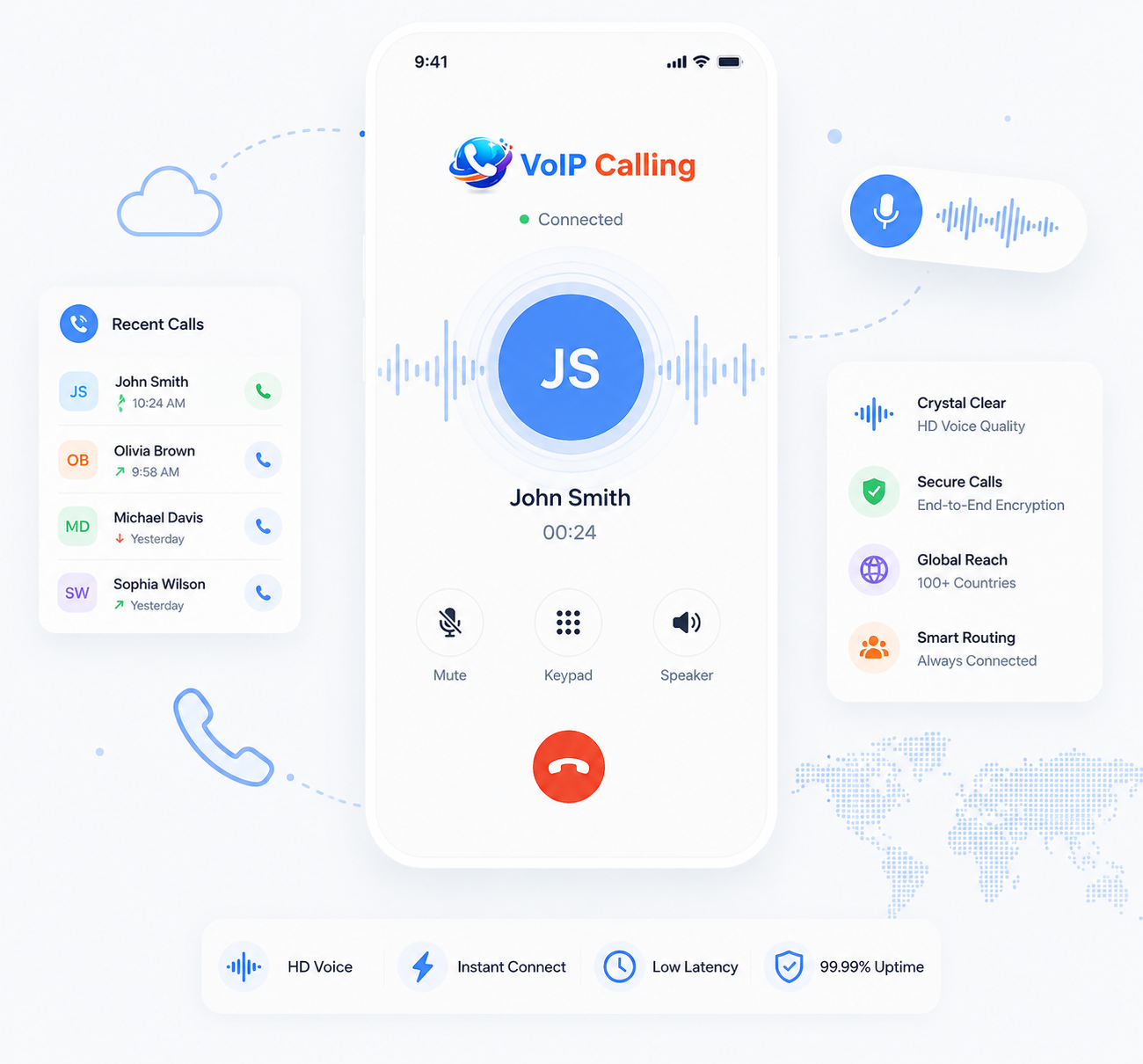
Depending on the provider and plan, cloud phone systems can include IVR, call forwarding, ring groups, call queues, voicemail, call recording, analytics and integrations with business applications.
Key Features of a Cloud Business Phone System
IVR and Auto Attendant
Direct callers to departments or employees using automated menus.
Call Routing
Route incoming calls according to business hours, departments, availability or other configured rules.
Call Recording
Record calls where supported and legally permitted for quality, training or record-keeping purposes.
Call Analytics
Review call volumes, missed calls, durations and other performance metrics.
Virtual Phone Numbers
Use business numbers that aren’t tied to a single physical telephone line.
Desktop and Mobile Apps
Allow employees to use their business calling service away from a desk phone.
Voicemail
Capture messages when employees cannot answer.
Ring Groups
Ring multiple employees according to configured patterns.
Call Queues
Place callers into a queue until an appropriate employee becomes available.
What Is a Cloud Phone System?
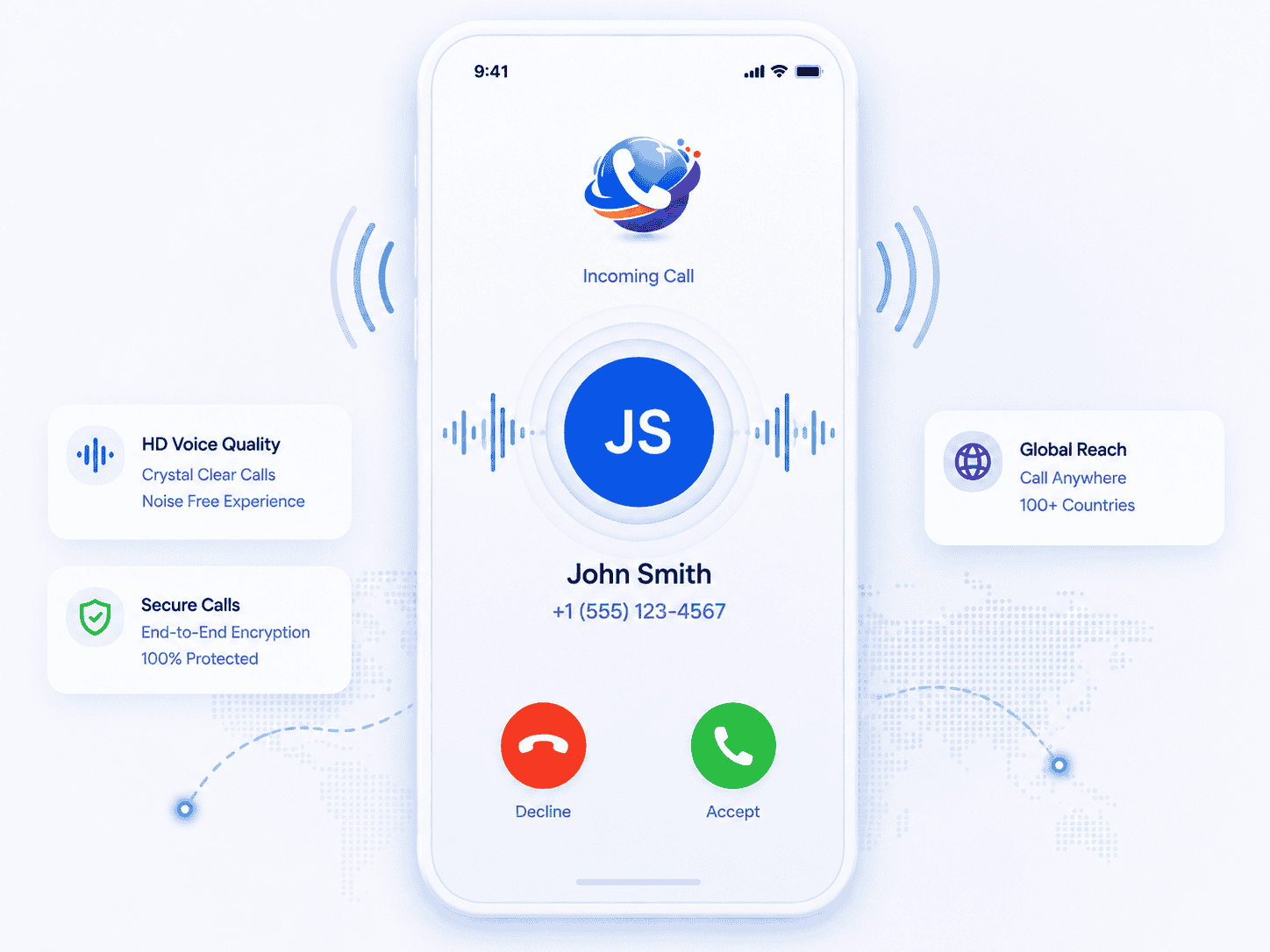
A cloud phone system is a business calling solution in which much of the PBX functionality is hosted by a service provider rather than maintained entirely on equipment at the business premises. Users connect to the service over an IP network and can typically access calling features through IP desk phones, computers and mobile applications.
Because the system is hosted remotely, businesses can reduce their dependence on traditional on-site PBX hardware while supporting employees across offices, homes and other locations.
Our cloud-based VoIP systems only need an app to operate, but we also offer full integration with the latest phone hardware for your office.
Is a Cloud Phone System the Same as VoIP?
Not exactly. VoIP is the technology used to transmit voice communications over IP networks. A cloud phone system is a complete hosted business telephone service that commonly uses VoIP while also providing call management, extensions, numbers, routing and other PBX features.
In simple terms, VoIP describes the underlying voice technology, while a cloud phone system describes a broader business communications solution built around it.
What Equipment Does a Cloud Phone System Need?
Cloud phone systems generally require a reliable network connection and compatible devices. Employees may use IP desk phones, computers with headsets, smartphones or a combination of these devices.
Businesses migrating from older telephone infrastructure may require additional network equipment, gateways or configuration depending on the existing system and chosen provider.
Choose By Your Business Size
Small Businesses and Startups
Cloud systems can give small teams professional call handling without requiring a large on-premises PBX.
Growing Businesses
Adding users, numbers, departments and routing rules can be easier as the organization expands.
Established Businesses
Larger organizations may require advanced administration, integrations, analytics, security controls, contact-center capabilities and multi-location support.
A Business Phone System for Any Need
Whether you’re a banker taking calls on the go, a sales team trying to close the deal, a business shifting to remote working or a non-profit looking to keep costs low, we have the right business telephone system for you.
Sales Teams
Call recording, CRM integrations, analytics, click-to-call and outbound calling capabilities can help sales teams manage customer conversations.
Remote Teams
Desktop/mobile applications and cloud routing allow employees to use business numbers outside the office.
Financial Services
Look for security controls, recording capabilities, administrative permissions and compliance-related functionality appropriate to the organization.
Professional and Field Services
Call forwarding and mobile applications can help employees answer business calls while away from the office.
Not For Profit
Flexible user plans and cloud deployment can help organizations balance communication requirements against limited budgets.
Business Phone System
with Elite CRM Integrations!
Many modern business phone systems integrate with CRM, help-desk, productivity and collaboration software. Depending on the provider, integrations may allow users to launch calls from customer records, automatically log call activity or access caller information within existing workflows.
Types of Business Phone Systems
Cloud/Hosted VoIP Phone System
PBX functionality is primarily hosted by the provider.
On-Premises PBX
Business maintains the PBX infrastructure locally.
IP PBX
PBX uses IP-based communications and can be deployed on-premises or in other architectures.
Hybrid Phone System
Combines legacy/on-premises equipment with IP/cloud components.
SIP Trunking
Allows compatible PBXs to connect to external calling services over IP rather than relying solely on traditional circuits.
How Does a Business Phone System Work?
Customer calls business number ↓ VoIP/cloud provider ↓ Cloud PBX ↓ IVR / routing rules ↓ Extension / ring group / queue ↓ Desk phone / desktop app / mobile app
Are Cloud Business Phone Systems Secure?
Cloud business phone systems can be secure when the provider and customer use appropriate safeguards. Important measures can include strong authentication, role-based access controls, encryption where supported, secure network configuration, fraud monitoring and regular software updates.
Security capabilities vary between providers, so businesses handling sensitive communications should evaluate a provider’s security controls, data handling practices and relevant compliance capabilities before choosing a service.