
If you are running a business, one thing is always on your mind whether you say it out loud or not.
How can I reduce costs without hurting VOIP quality?
That is where VoIP comes into the picture.
Many businesses switch to VoIP because they hear it is cheaper. But cheaper alone is not a good enough reason. You want to know why it saves money, where the savings actually come from, and whether it makes sense for your business.
Let’s walk through this together in a practical, no jargon way.
What Is VoIP and Why Is It More Cost Efficient?
VoIP stands for Voice over Internet Protocol. Instead of using traditional phone lines, VoIP uses your existing internet connection to make and receive calls.
That single change removes many of the hidden and ongoing costs that traditional phone systems rely on.
Here is the simple idea.
Traditional phones charge you for infrastructure.
VoIP uses infrastructure you already pay for.
How Does VoIP Save Businesses Money?
This is one of the most common questions business owners ask.
Lower Monthly Phone Bills
Traditional phone systems charge per line, per feature, and often per minute.
VoIP usually offers:
- Flat monthly pricing
- Unlimited local and long distance calls
- No separate line rental costs
For many businesses, this alone reduces phone bills by 30 to 60 percent.
Reduced International Calling Costs
International calling is where VoIP really shines.
With traditional phone systems, international calls are expensive and unpredictable. With VoIP, international calls are either very low cost or included in your plan.
If your business deals with:
- Overseas clients
- Remote teams
- International suppliers
VoIP can save you thousands every year.
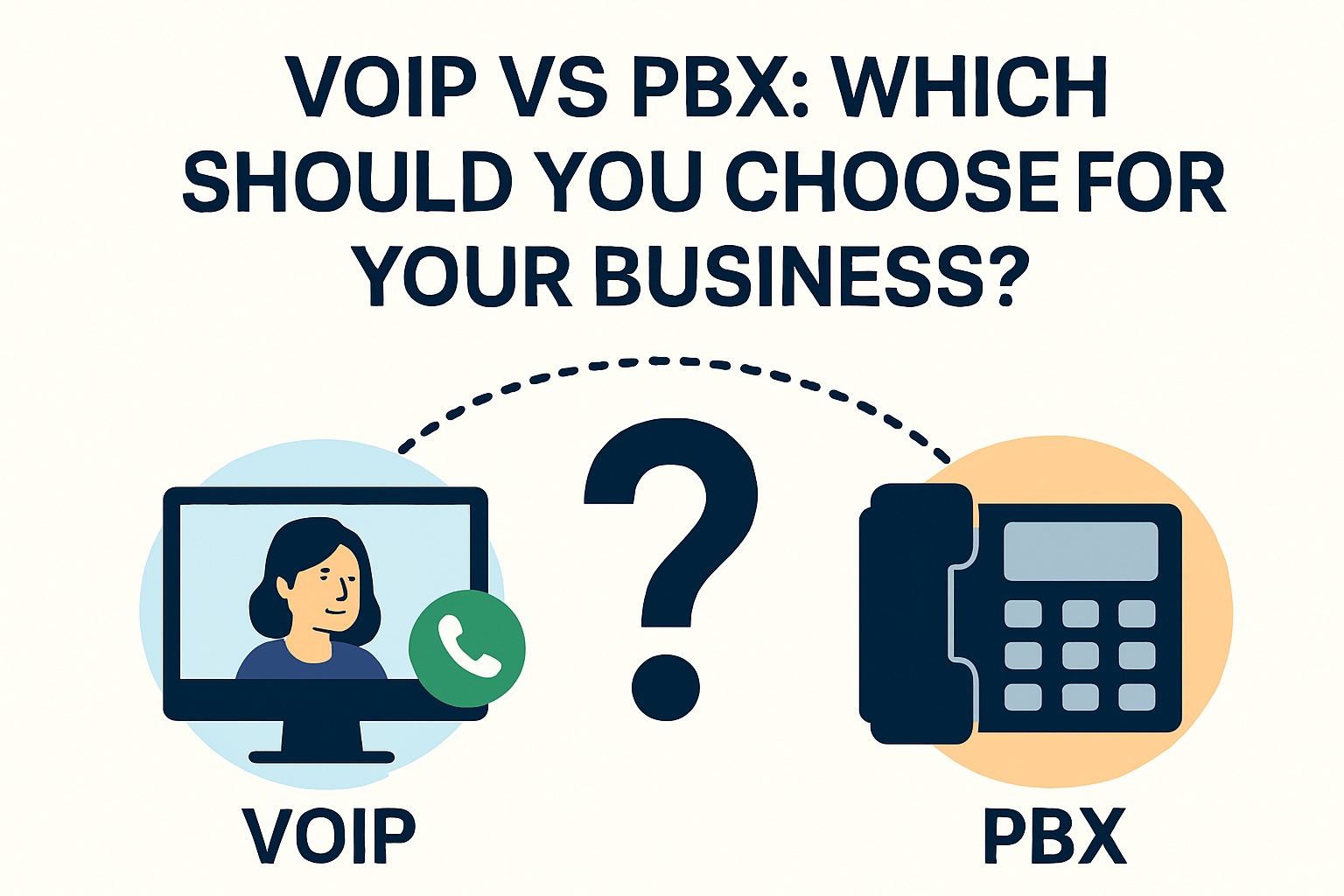
VoIP vs Traditional Phone Systems Cost Comparison
Let’s look at this in a simple way.
Traditional Phone System Costs
Typical expenses include:
- Per line monthly charges
- Installation fees
- Hardware and PBX systems
- Maintenance contracts
- Long distance charges
- International call fees
These costs add up quickly and scale poorly as your business grows.
VoIP Cost Structure
With VoIP, you usually pay:
- A monthly subscription per user
- Sometimes a small setup fee
- Optional hardware if you choose desk phones
That is it.
No expensive PBX. No complex wiring. No surprise bills.
How Much Money Can a Business Save by Switching to VoIP?
This depends on your business size and call volume, but let’s look at realistic examples.
Small Business Example
A small office with 5 employees using traditional phones might pay:
- Line rental and call charges
- Maintenance costs
After switching to VoIP:
- Flat monthly pricing
- Free internal calls
- Reduced international costs
Savings often range from 40 to 50 percent.
Medium Business Example
A company with 30 employees and frequent client calls can save:
- Thousands per year on international calls
- Hardware upgrade costs
- Office relocation expenses
VoIP scales without expensive changes.
Call Center Example
Call centers benefit from:
- Per agent pricing
- Included features like call recording and analytics
- Reduced telecom infrastructure
Savings can be massive over time.
Why Is VoIP More Affordable Than Traditional Phone Systems?
The main reason is infrastructure.
Traditional systems rely on physical phone lines and hardware. VoIP uses cloud based systems and shared networks.
This results in:
- Lower provider costs
- Fewer maintenance requirements
- Easier upgrades
Those savings are passed on to you.
VoIP Cost Savings for Small Businesses
Small businesses often feel the biggest impact.
No Expensive Hardware
You do not need:
- Large PBX systems
- Specialized phone wiring
- On site technicians
You can even use:
- Existing computers
- Mobile phones
- Softphone apps
Pay Only for What You Use
Most VoIP providers let you:
- Add or remove users instantly
- Change plans easily
- Avoid long term contracts
This flexibility keeps costs under control.
How VoIP Reduces Operational Costs
VoIP does more than cut phone bills.
Less IT and Maintenance Expense
Traditional systems require:
- Regular maintenance
- On site support
- Hardware replacements
VoIP systems are cloud managed. Updates, security patches, and improvements happen automatically.
Easier Office Moves and Expansion
Moving offices with traditional phones can be expensive.
With VoIP:
- You keep the same numbers
- Plug in and continue working
- No rewiring or reinstalling lines
That alone saves time and money.
Does VoIP Reduce International Calling Costs?
Yes, significantly.
This is one of the biggest cost saving areas.
VoIP routes calls over the internet rather than international telecom networks. That dramatically lowers costs.
For businesses with global communication, VoIP is often the most cost effective solution available.
Is VoIP Cost Effective for Remote and Hybrid Teams?
Absolutely.
VoIP is built for modern work environments.
Remote employees can:
- Use the same business number
- Make and receive calls from anywhere
- Avoid separate mobile phone allowances
This reduces:
- Mobile reimbursement costs
- Office space needs
- Communication fragmentation
Hidden Costs of Traditional Phone Systems
Many businesses underestimate these.
Installation and Setup Fees
Traditional phone systems often require:
- Technician visits
- Complex setup
- Long installation timelines
VoIP setup is usually quick and affordable.
Feature Add Ons
Want voicemail, call forwarding, or conferencing?
Traditional systems often charge extra. VoIP includes these features by default.
VoIP Features That Save Time and Money
Time is money. VoIP helps you save both.
Built In Productivity Tools
Most VoIP systems include:
- Voicemail to email
- Call forwarding
- Auto attendants
- Call analytics
- CRM integration
These tools reduce manual work and improve customer handling.
Fewer Missed Calls
Smart call routing and forwarding mean:
- Fewer missed opportunities
- Better customer experience
- Higher conversion rates
That directly impacts revenue.
Is VoIP Cheaper Than Traditional Phone Systems?
In most cases, yes.
VoIP consistently costs less over time because:
- There are fewer fixed costs
- Pricing is predictable
- Scaling is easy
Even businesses that spend slightly more upfront often recover those costs quickly.
VoIP ROI for Businesses
Return on investment is not just about saving money.
VoIP improves:
- Efficiency
- Customer communication
- Team flexibility
When you combine cost savings with productivity gains, VoIP delivers strong ROI.
When VoIP Might Not Save You Money
It is important to be honest.
VoIP may not deliver maximum savings if:
- Your internet connection is unreliable
- You choose a low quality provider
- You ignore proper setup
However, most of these issues are fixable with basic planning.
How to Maximize Cost Savings with VoIP
Here’s how you get the most value.
Choose the Right Plan
Do not overpay for features you do not need. Start small and scale as required.
Use Existing Devices
Softphones and mobile apps can reduce hardware costs.
Monitor Usage
VoIP analytics help you identify:
- Unused lines
- Inefficient call patterns
- Opportunities for further savings
FAQs: How VoIP Saves Businesses Money
How does VoIP save businesses money?
VoIP saves money by reducing line rental costs, lowering international call charges, eliminating expensive hardware, and offering flat monthly pricing with built in features.
Is VoIP cheaper than traditional phone systems?
Yes, VoIP is usually cheaper over time due to lower infrastructure costs, fewer maintenance expenses, and flexible pricing models.
How much can a business save by switching to VoIP?
Many businesses save between 30 and 60 percent on communication costs, depending on size, call volume, and international usage.
Does VoIP reduce international calling costs?
Yes, VoIP significantly lowers international calling costs by routing calls over the internet instead of traditional telecom networks.
Is VoIP cost effective for small businesses?
VoIP is highly cost effective for small businesses because it avoids expensive hardware, scales easily, and includes advanced features at low monthly rates.
Can VoIP reduce overall communication expenses?
Yes. VoIP reduces phone bills, IT maintenance costs, remote work expenses, and operational overhead.
Are there hidden costs with VoIP?
Most VoIP providers are transparent with pricing. Potential costs may include optional hardware or premium features, but these are usually far lower than traditional systems.
Final Thoughts: Is VoIP Worth It for Your Business?
If your goal is to reduce costs while improving communication, VoIP is one of the smartest moves you can make.
It is not just about cheaper calls. It is about flexibility, scalability, and efficiency.
For startups, small businesses, remote teams, and even large enterprises, VoIP offers real, measurable savings.
If you want a modern phone system that grows with your business and keeps costs under control, VoIP is worth serious consideration.