If you are thinking about switching to VoIP or already using it and wondering whether you can truly rely on it, you are not alone. One of the most common questions people ask is simple but important.
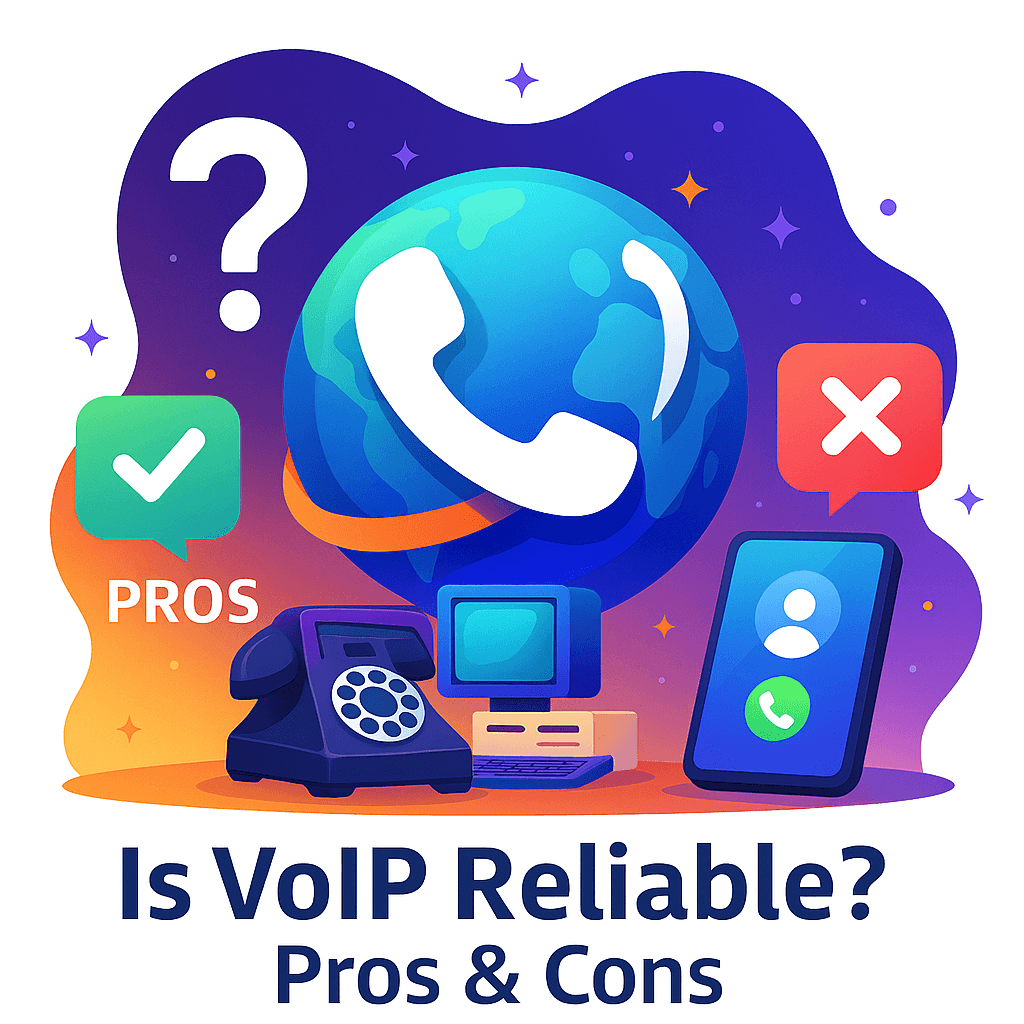
Is VoIP reliable?
You may have heard mixed opinions. Some say VoIP is the future of business communication. Others complain about dropped calls, poor call quality, or internet dependency. The truth sits somewhere in between.
Let’s break it all down in plain language so you can decide if VoIP is the right choice for you, your business, or your team.
What Is VoIP and Why Do So Many People Use It?
VoIP stands for Voice over Internet Protocol. In simple terms, it allows you to make phone calls using the internet instead of traditional phone lines.
Instead of voice traveling through copper wires, it is converted into digital data and sent over your internet connection.
People use VoIP because it is:
-
More flexible
-
Often cheaper than landlines
-
Packed with modern features
-
Ideal for remote and global teams
But none of that matters if the service is not reliable.
So let’s answer the big question properly.
Is VoIP Reliable in Real Life?
Yes, VoIP is reliable for most people and businesses today. But reliability depends on a few key factors.
VoIP itself is not unreliable by design. In fact, many enterprise level VoIP systems are more stable than traditional phone lines. The main difference is that VoIP relies on the internet.
If your internet connection is strong and stable, VoIP call quality can be excellent. If your internet is weak or unstable, problems can appear.
Think of VoIP like streaming a video. With good internet, everything runs smoothly. With poor internet, you see buffering and interruptions.
What Makes VoIP Reliable or Unreliable?
Internet Quality Matters More Than Anything
Your internet connection is the backbone of VoIP reliability.
Here is what affects VoIP call quality the most:
-
Internet speed
-
Network stability
-
Latency and jitter
-
Packet loss
You do not need extremely fast internet, but you do need consistent and stable connectivity.
For example, a small business with fiber internet will usually experience crystal clear VoIP calls. A home user on congested WiFi may face occasional call drops.
VoIP Provider Quality
Not all VoIP providers are the same.
Reliable VoIP providers invest in:
-
Redundant servers
-
Global data centers
-
Advanced call routing
-
24/7 monitoring
If you choose a cheap or poorly managed provider, reliability will suffer regardless of your internet quality.
Hardware and Network Setup
Your devices also play a role:
-
Quality IP phones or headsets
-
Proper router configuration
-
QoS settings enabled
-
Wired connections instead of WiFi where possible
Small adjustments in setup can dramatically improve VoIP reliability.
VoIP Pros: Why So Many Businesses Trust It
Let’s talk about the advantages first.
Cost Savings That Actually Add Up
One of the biggest reasons people move to VoIP is cost.
You typically save money on:
-
Monthly phone bills
-
International calls
-
Maintenance and hardware
-
Scalability costs
For startups and small businesses, this alone can be a game changer.
Excellent Call Quality With the Right Setup
Many people ask, “Is VoIP call quality good enough for business?”
The answer is yes.
With a stable internet connection, VoIP often delivers HD voice quality that is clearer than traditional landlines.
You hear fewer distortions, better clarity, and more natural sound.
Flexibility for Remote and Hybrid Work
VoIP is built for modern work environments.
You can:
-
Take calls from anywhere
-
Use the same number on multiple devices
-
Move offices without changing phone lines
-
Support remote teams easily
If your team works from home or across different locations, VoIP is hard to beat.
Advanced Features That Improve Productivity
VoIP is not just about making calls.
Most services include features like:
Traditional phone systems cannot compete here.
Easy Scalability
Need to add a new employee or department?
With VoIP, you can usually do it in minutes without installing new physical lines.
This is especially valuable for growing businesses and call centers.
VoIP Cons: Where Problems Can Appear
Now let’s be honest about the downsides.
Internet Dependency
The most common concern is this.
If your internet goes down, your VoIP service goes down too.
This is why many businesses use:
-
Backup internet connections
-
Mobile failover
-
Cloud based VoIP providers with redundancy
With proper planning, this risk can be minimized.
Power Outages Can Affect VoIP
Traditional landlines often work during power outages. VoIP usually does not unless you have:
-
Battery backups
-
UPS systems
-
Mobile VoIP apps as fallback
Again, this is manageable but important to plan for.
Call Quality Issues on Poor Networks
On slow or unstable networks, you may experience:
-
Delayed voice
-
Dropped calls
-
Echo issues
These problems are not VoIP flaws. They are network problems showing up in voice calls.
Is VoIP Reliable for Business Use?
This is one of the most searched questions and for good reason.
Yes, VoIP is reliable for business when implemented correctly.
In fact, many large enterprises, call centers, and global companies rely entirely on VoIP systems.
VoIP Reliability for Small Businesses
Small businesses benefit greatly from VoIP because:
-
It is affordable
-
It scales easily
-
It supports remote work
-
It looks professional
With a decent internet connection, small businesses rarely face serious reliability issues.
VoIP Reliability for Call Centers
Call centers demand high reliability.
Modern VoIP call center platforms offer:
-
Load balancing
-
Failover routing
-
Real time analytics
These features often make VoIP more reliable than old PBX systems.
VoIP vs Landline Reliability: Which Is Better?
This comparison comes up a lot.
Traditional Landlines
Pros:
-
Independent of internet
-
Often work during power outages
Cons:
-
Limited features
-
Higher costs
-
Less flexible
-
Aging infrastructure
VoIP Systems
Pros:
-
Modern features
-
Lower costs
-
Remote ready
-
Easy scalability
Cons:
-
Depends on internet
-
Needs proper setup
In most modern environments, VoIP is just as reliable and often more practical than landlines.
Common VoIP Reliability Issues and How to Fix Them
Why Does VoIP Drop Calls Sometimes?
Common reasons include:
-
Network congestion
-
WiFi interference
-
Poor router configuration
-
ISP issues
Fixes:
-
Use wired Ethernet
-
Enable QoS on your router
-
Upgrade your internet plan if needed
-
Choose a reliable VoIP provider
Does VoIP Work With Slow Internet?
Yes, but with limits.
Voice calls do not need huge bandwidth, but they need stability.
If your internet constantly fluctuates, call quality will suffer.
How Can You Improve VoIP Reliability?
Here’s a simple checklist:
-
Use a wired connection
-
Avoid heavy downloads during calls
-
Invest in quality headsets or IP phones
-
Enable QoS
-
Keep firmware updated
-
Choose a provider with high uptime guarantees
Is VoIP Reliable for International Calls?
Yes, and this is one of its strongest advantages.
VoIP international calls are often:
-
Cheaper
-
Clearer
-
More flexible than traditional international calling
Call quality depends more on provider routing and network optimization than distance.
Is VoIP Secure and Reliable at the Same Time?
Security affects reliability more than people realize.
Modern VoIP providers use:
-
Encryption
-
Secure SIP protocols
-
Firewalls
-
Fraud detection
A secure VoIP system is less likely to face service disruptions caused by attacks or misuse.
When VoIP Might Not Be the Best Choice
VoIP may not be ideal if:
-
You have extremely unstable internet
-
Power outages are frequent and unmanaged
-
You refuse to invest in minimal setup improvements
Even then, hybrid solutions often solve these problems.
Is VoIP reliable for daily business calls?
Yes, VoIP is reliable for daily business calls when you have a stable internet connection and a quality VoIP provider. Most businesses use VoIP every day for sales calls, customer support, internal meetings, and even call centers. With proper setup, call quality is clear and consistent, often matching or exceeding traditional landlines.
What affects VoIP call reliability?
Several factors influence VoIP reliability, including:
-
Internet stability and latency
-
Network congestion
-
Quality of the VoIP provider
-
Router and firewall configuration
-
Use of WiFi instead of Ethernet
When these elements are optimized, VoIP calls remain clear and dependable.
Why does VoIP drop calls sometimes?
VoIP calls usually drop due to network issues, not VoIP itself. Common causes include unstable internet, WiFi interference, overloaded routers, or ISP interruptions. Misconfigured firewalls and outdated hardware can also cause call drops. Fixing the network setup often resolves the issue completely.
Is VoIP more reliable than landline?
In many modern environments, VoIP is just as reliable and often more flexible than landlines. Traditional landlines rely on aging infrastructure, while VoIP uses modern cloud networks with redundancy. VoIP may depend on the internet, but it offers better features, easier scalability, and strong uptime when properly managed.
How can I improve VoIP reliability?
You can improve VoIP reliability by:
-
Using a wired Ethernet connection
-
Enabling QoS on your router
-
Choosing a reputable VoIP provider
-
Avoiding heavy internet usage during calls
-
Using quality headsets or IP phones
-
Keeping network devices updated
These steps can significantly reduce call issues.
What are the biggest VoIP problems?
The most common VoIP problems include:
-
Poor call quality on weak networks
-
Call drops due to internet instability
-
Power outage dependency
-
Misconfigured routers or firewalls
Most of these issues are preventable with the right setup and backup planning.
Can VoIP work during internet outages?
VoIP does not work without internet, but many providers offer solutions like call forwarding to mobile phones, mobile VoIP apps, or automatic failover to backup connections. Businesses often use secondary internet lines or mobile data to stay connected during outages.
Final Verdict: Should You Trust VoIP?
So, is VoIP reliable?
For most people and businesses today, the answer is yes.
VoIP is reliable when:
-
You have stable internet
-
You choose a quality provider
-
You set it up properly
-
You plan for basic backups
It is not a risky technology. It is a mature, widely used communication solution trusted by millions of businesses worldwide.
If you are still using traditional phone lines, VoIP is not something to fear. It is something to understand and use wisely.
Quick Takeaway for You
If you want:
-
Lower costs
-
Better features
-
Remote flexibility
-
Scalable communication
Then VoIP is worth it.
And if reliability is your main concern, focus on internet quality and provider choice. Do that, and VoIP will serve you well.